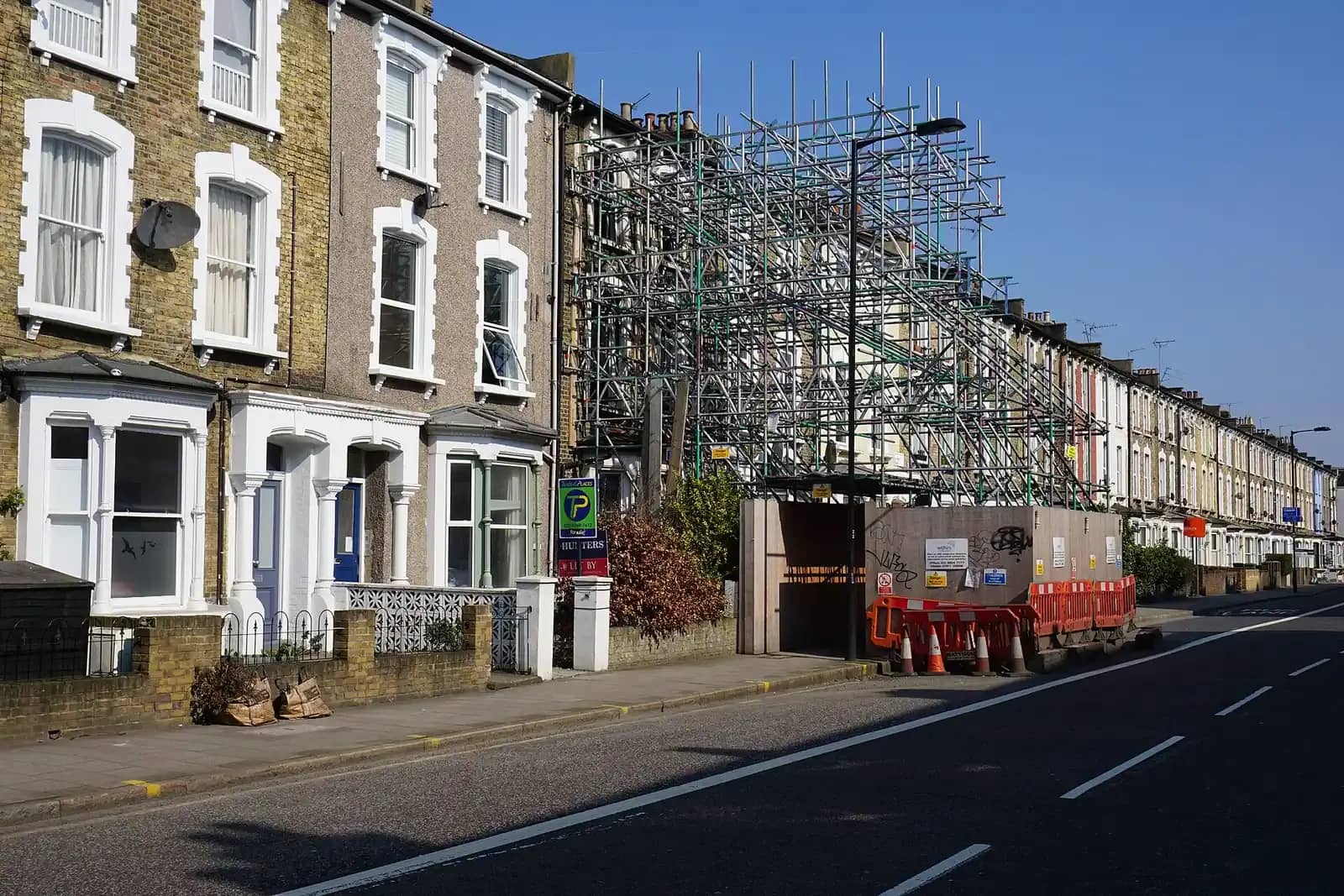
Drawings for a regularisation application in London cost £945 inc survey with us, or £745 if you can supply measured drawings of the work as built. We survey what exists, draw it, and write the specification that building control reads before it decides what, if anything, must be corrected.
Regularisation is the route for building work that was done without approval. It is common at sale: a buyer's solicitor asks for a completion certificate on a loft or extension, and none exists. This article explains the costs, what building control may ask you to open up, and the ten-year limit on enforcement that affects older work.
The costs: ours, the council's and the unknown
Our £945 inc survey covers the part that is fixed. We survey the work as it stands, produce plans and sections of what was built, and prepare a specification describing the construction: structure, insulation, fire protection and ventilation as far as they can be established. Building control uses that pack to decide what it needs to see.
The council charges a fee for the application, set by each authority, and may charge for inspections. The unknown cost is remedial work. If the council cannot see a beam, a fire-stopping detail or a cavity, it can ask for it to be exposed, and then for it to be put right if it falls short.
What the law lets the council ask for
The route is regulation 18 of the Building Regulations 2010. It applies to building work carried out on or after 11 November 1985 without the required approval. The owner applies in writing to the building control authority for a regularisation certificate and includes a description of the work and, if reasonably practicable, a plan of it.
The authority can require the applicant to take reasonable steps to find out whether the work complies, such as opening it up, carrying out tests or taking samples. It then says what further work is needed, and when that is done and accepted, it issues the certificate. GOV.UK adds that you can apply for regularisation from a local authority only, not from a private approved inspector.
How old the work is changes the risk
Building control has a limit on how long it can force you to alter or remove work that does not comply. Under section 36 of the Building Act 1984, a notice requiring non-compliant work to be pulled down or altered cannot be given after 10 years from completion.
That helps older work, but it does not make it compliant. A buyer's lender and solicitor still want a certificate, whatever the enforcement position. Owners of older work sometimes regularise anyway, because a certificate can be cheaper than delay at sale or indemnity cover.
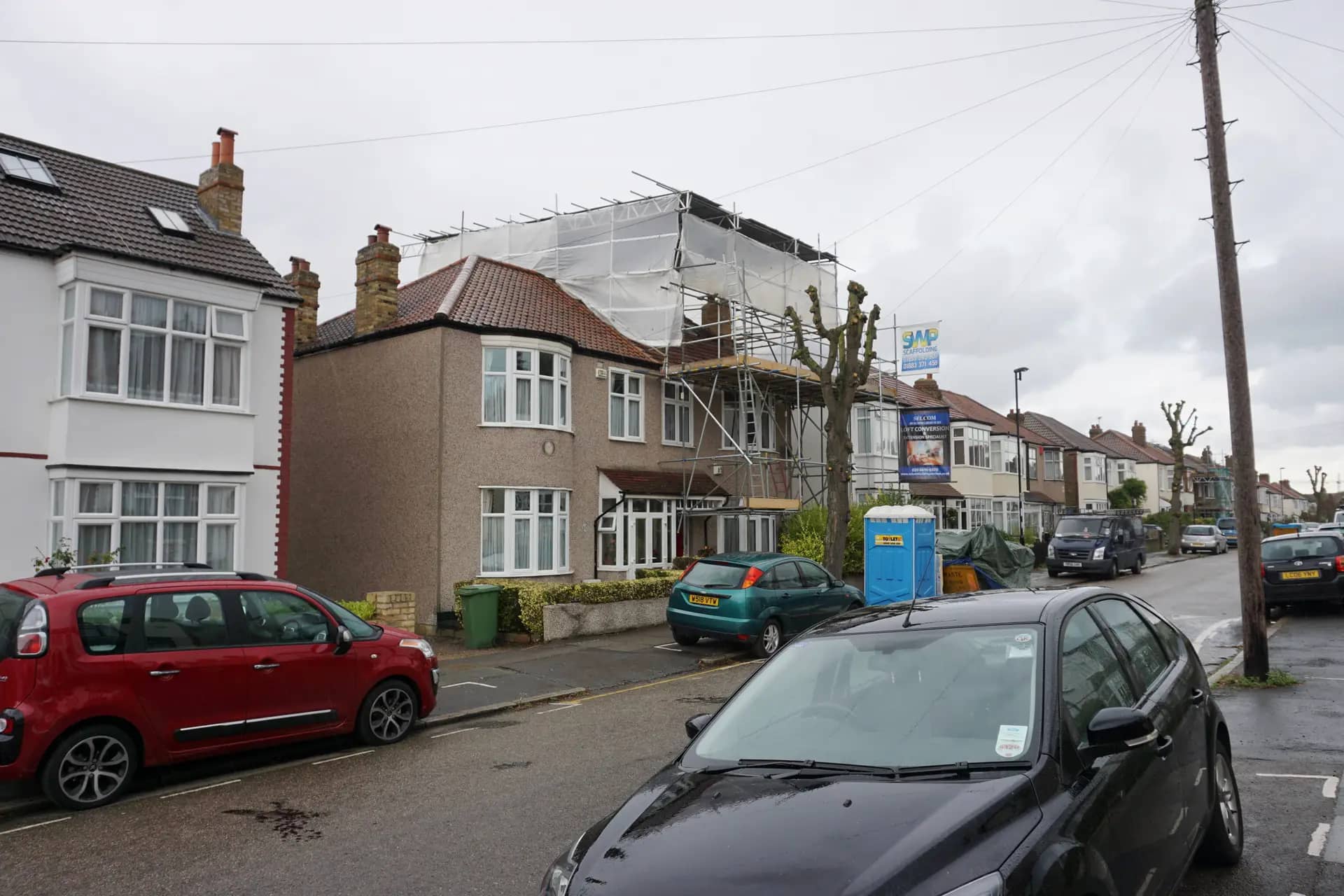
Photo: Bill Boaden, BY-SA 2.0
From the survey to the certificate
Planning is a separate question. If the work also lacked planning permission, a certificate or a retrospective application deals with that, and the two can run together. Where the structure was altered, an engineer's calculation may be needed so building control can accept the beams.
The figures in this article, and where they come from
Regulation 18 covers unauthorised building work carried out on or after 11 November 1985.
Source: legislation.gov.uk, Building Regulations 2010, regulation 18The authority may require the applicant to open up the work, carry out tests and take samples to establish what work is needed to meet the requirements (regulation 18(3)).
Source: legislation.gov.uk, Building Regulations 2010, regulation 18Under regulation 18, a regularisation certificate is evidence, but not conclusive evidence, that the requirements it specifies have been complied with.
Source: legislation.gov.uk, Building Regulations 2010, regulation 18A notice requiring non-compliant work to be pulled down or altered cannot be given after 10 years from the date of completion of the work.
Source: legislation.gov.uk, Building Act 1984, section 36You can apply for regularisation from a local authority building control body only, and only for work carried out after 11 November 1985.
Source: GOV.UK, Building regulations approvalA full-plans building regulations application gets a decision within 5 weeks, or 2 months with the applicant's consent.
Source: GOV.UK, Building regulations approval
Questions people ask
Can I regularise work done before 1985?
Not through this route. Regularisation covers work carried out on or after 11 November 1985. Older work is outside it, and a solicitor will usually deal with it through other evidence of age and condition.
Do I need to open up the work?
Possibly. The council may ask for sections of floor, wall or ceiling to be uncovered so it can see beams, insulation and fire stopping. We say in advance what is likely to be asked for, based on what the survey shows.
Is regularisation cheaper than getting approval first?
Rarely. The drawings may cost about the same, but opening up and remedial work are extra, and the application takes longer. The lesson is to apply before work starts, which is why our normal building regulations drawings come first.
Can I regularise using a private building control firm?
No. GOV.UK says regularisation is available from a local authority only.
Will I need planning permission as well?
That depends on whether the work needed it. If it did and none was given, a retrospective application may be needed, which starts at £765 inc survey with us. We check both before we advise.
Building Regulations Regularisation: from £945 inc survey
(£745 if you supply measured drawings)
What you get
- Survey of the as-built work
- Drawings
- Specification for building control
- A view on what building control is likely to ask you to open up
The total you pay, fixed in writing before you commit. Council fees are separate and paid to the council. Prices checked 24 October 2026.
How our building regulations regularisation service works