MCIAT chartered drawings · Fixed fees across all 33 London boroughs
Services
Areas
Guides
ProcessOur promiseFAQ
Free approval reportGet my free quote020 7864 7245
Aerial view of London boroughs whose councils charge the statutory planning permission fee for householder applications
Cost Guide · Council Fees

How much does planning permission cost? The 2026 council fees

Almost every figure online for planning permission is out of date. Fees in England are now uprated for inflation every April, and the householder fee rose again on 1 April 2026. This guide gives the current statutory schedule straight from the government's own fee document, explains what the fee does and does not buy, and covers the Community Infrastructure Levy trap that has cost homeowners tens of thousands of pounds.

★★★★★ Rated 4.9/5 by London homeowners96% approval rate · 2,400+ drawings delivered

Share

How much does planning permission cost? The 2026 fee schedule

Planning permission costs £548 for a householder application in England from 1 April 2026, £610 for a new single dwelling, and £249 for prior approval. These are statutory fees set by regulations and charged identically by every council in England — a London borough cannot charge more than a rural district for the same application.

Application typeFee from 1 April 2026What it covers
Householder — one dwelling£548Extensions, loft conversions and alterations to a single home. Flat fee regardless of project size.
Householder — two or more dwellings£1,083One application covering works to more than one home, e.g. a pair of semis.
Curtilage works£272Outbuildings, garden rooms, gates, fences and boundary walls within the grounds of a house.
Full planning — new single dwelling£610A new-build home. Schemes of fewer than 10 dwellings are charged £610 per dwelling.
Lawful development certificate (proposed)Half the full fee — £274 for an extensionConfirms permitted development work is lawful. Half of the fee for that category, so £136 for curtilage works.
Prior approval — larger home extension£249The 6m/8m rear extension neighbour-consultation route under Part 1 Class A.
Prior approval — additional storey£249Upward extension under Part 1 Class AA.
Discharge of conditions — householder£89Signing off a condition attached to your permission. Charged per request, not per condition.
Non-material amendment — householder£46A minor change to an approved scheme that does not alter its substance.
Householder appealNo fee to the appellantThe Planning Inspectorate does not charge to lodge an appeal, though costs can be awarded against a party that behaves unreasonably.

Source: MHCLG, 'Fees for planning applications in England from 1 April 2026' — annual indexation of 3.8% (CPI, September 2025), cross-checked against the Planning Portal's V2026 fee schedule. Fees are set nationally and are identical in every English council.

Why the planning permission fee keeps changing

Planning fees in England used to sit still for years at a time, which is why so many cost guides are wrong. That changed in 2023: regulations introduced automatic annual indexation, and since 1 April 2025 the fee schedule has risen every April in line with the previous September's Consumer Prices Index, capped at 10% and never falling. The 1 April 2026 uprating was 3.8%, tracking CPI from September 2025.

The practical consequence is that any figure you read without a stated effective date is untrustworthy. The householder fee was £258 as recently as 2024; it is £548 today. Guides quoting the older number are not slightly stale — they understate the cost by more than half, and homeowners budgeting from them get an unpleasant surprise at submission.

One quirk worth knowing: the government has acknowledged that a defect in the 2026 regulations left the outline-application fee covering multiple categories un-indexed, and intends to correct it. It does not affect householder work, but it is a useful reminder that the schedule is a legal instrument rather than a tariff — read it, and do not assume every line moved by the same percentage.

What does the planning permission fee actually pay for?

The fee buys a decision, not an approval — and this is the single most misunderstood thing about it. Paying £548 entitles you to have your application validated, consulted on, assessed by a case officer and determined within the statutory eight weeks. It does not entitle you to a yes. A refusal consumes the fee exactly as an approval does.

It also does not buy the drawings. Every householder application must arrive with a site location plan, a block plan, and existing and proposed floor plans and elevations at recognised scales — and the council will not validate the application without them. Preparing that package is a separate cost from the statutory fee, which is why a quote that folds the two together is telling you less than it appears to. The council's charge is fixed by law and identical everywhere; the drawing work is not.

There is one genuine consolation. If your application is refused, you can submit one revised application free of charge within 12 months of the decision, provided it is for substantially the same development on the same site. That free-go provision is why a considered redesign usually beats an immediate appeal, and why the real cost of a refusal is measured in months rather than in application fees.

Architect sketching planning drawings that must accompany a householder planning permission application and its statutory fee

Will I have to pay the Community Infrastructure Levy?

Probably not — but if you do, it dwarfs the application fee, and the rules punish paperwork errors far more harshly than they punish size. CIL is a charge levied by many London boroughs on new floorspace. It bites on development of 100m² gross internal area or more, and on any new dwelling regardless of floor area. A typical rear extension or loft conversion falls under the 100m² threshold and is exempt as minor development, so most homeowners never encounter it at all.

The danger is in the exemption process, not the threshold. Relief for a larger extension or an annexe is not granted automatically because you qualify: you must submit the correct claim form and receive the council's acknowledgement *before development commences*. Start work first — even digging foundations — and the relief is lost. The full levy becomes payable on a scheme that was always eligible for nothing to be paid at all.

This is not a hypothetical. In June 2026 the government wrote to CIL charging authorities acknowledging that householders who met every qualifying criterion but missed a procedural step have been issued full levy bills, and that escalated enforcement — including threats of forced sale and criminal proceedings — has had serious consequences for families. Ministers are reforming the regulations and have asked authorities to use discretion in hardship cases. Until that lands, the rule stands: if your scheme approaches 100m², claim the exemption and get it acknowledged in writing before anyone lifts a spade.

The costs that are not the planning fee

The statutory fee is the smallest and most predictable line in a planning budget. These are the charges homeowners routinely forget, and they are the ones that vary.

Building control

A separate approval from planning, covering structural safety, insulation and fire. Fees are set per borough rather than nationally — Bexley, for example, charges £320 excluding VAT for a full-plans single-storey extension under 10m², and £360 for a loft conversion. Your borough's schedule will differ, so check it rather than assuming a London average.

Party wall surveyors

Paid by the person doing the work, not the neighbour. A single agreed surveyor typically runs £800 to £1,500; where each side appoints their own, expect £800 to £3,500 per neighbour. A mid-terrace with two adjoining owners multiplies the notices — and the bill.

Structural calculations

Required wherever you remove a wall, form an opening or add load — which covers most extensions and every loft conversion. A separate engagement from both the planning drawings and the council fee.

The Planning Portal charge

Submitting online adds a service charge of around £75 plus VAT, paid to the Portal rather than to your council. Small, but it is not part of the statutory fee and surprises people who budgeted to the pound.

Getting the fee right first time

An incorrect fee is an invalid application, and an invalid application never starts the eight-week clock. The checks that matter:

  • Confirm your application category before paying — householder (£548) and curtilage works (£272) are different fees, and an outbuilding is not a householder application
  • A lawful development certificate is half the fee for its category, so £274 for an extension but £136 for curtilage works — not a flat half of £548
  • Check the fee schedule's effective date; it changes every April and older figures are not close enough to rely on
  • Budget the Planning Portal service charge separately from the statutory fee
  • If your scheme approaches 100m², claim CIL relief and get written acknowledgement before starting work
  • Remember a refusal buys you one free revised application within 12 months — the fee is not lost twice
  • Building control is a separate application with a separate, borough-specific fee
  • Fees are national: a borough quoting you a different figure for the same application type has made an error

The cheapest planning application is the one that gets approved

Because the fee is flat and national, it is the one part of your budget you cannot optimise. You cannot shop around for a cheaper council, and a modest scheme pays exactly what an ambitious one pays. What you can control is how many times you pay it — and that is decided entirely by the quality of what you submit.

An application refused for reasons that a competent designer would have anticipated costs you the free resubmission, three to four months of programme, and often the summer you meant to build in. An application returned as invalid costs less but stings more, because the clock never started. Both failure modes trace back to the same root: a package assembled to look like a planning application rather than one assembled against the council's own validation checklist and its written design policies. We prepare and submit that package, handle the case officer, and revise free until you have a decision — and we calculate and pay the correct statutory fee as part of the submission, so the category confusion above never becomes your problem.

Planning permission costs the same everywhere — approval odds do not

The £548 is identical in every London borough. What varies is how likely that £548 is to buy you a yes, and how much local policy shapes the scheme you should be submitting.

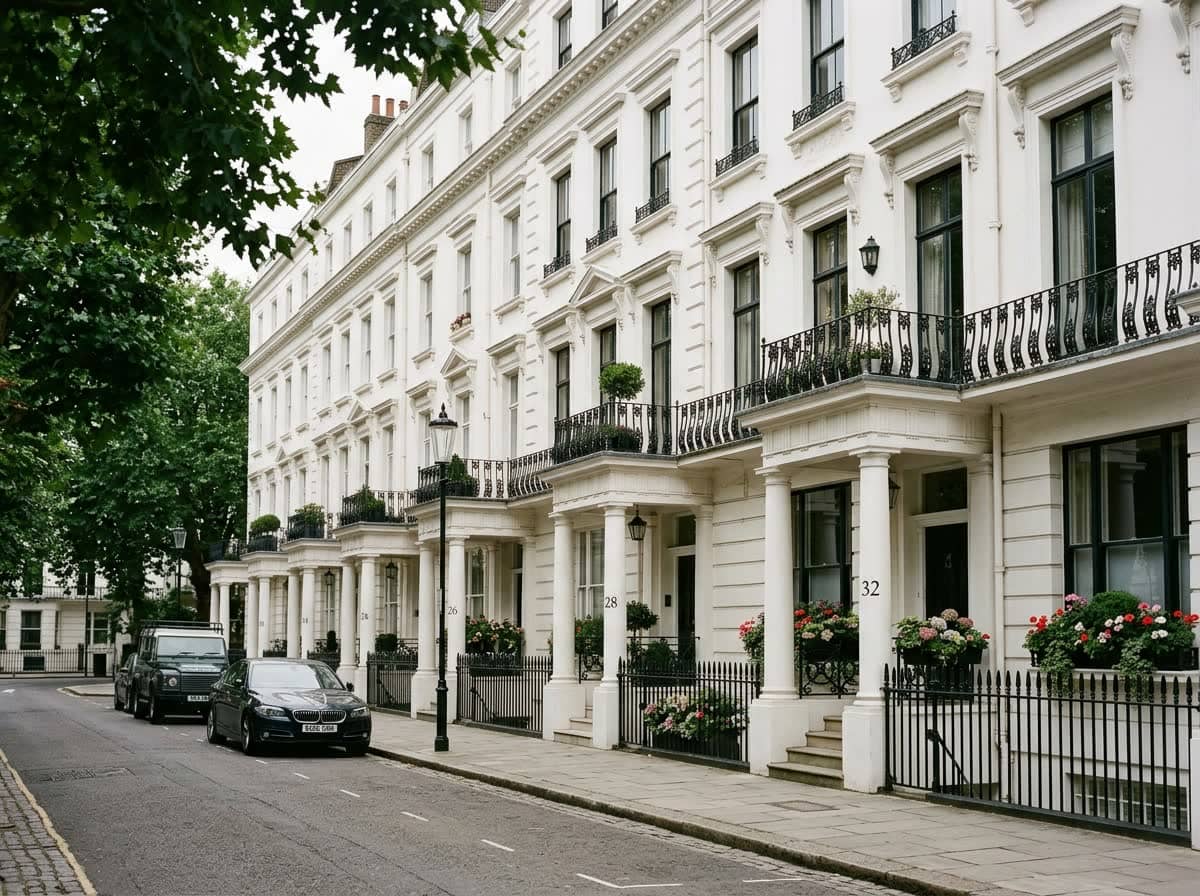
Stucco terraces in Chelsea where planning permission costs the same statutory fee but demands more supporting documents

Planning fees in Kensington and Chelsea

The statutory fee is unchanged here, but the borough's dense conservation coverage and basement policy mean applications carry more supporting material — and more chances to be invalidated on a missing document than on a wrong cheque.

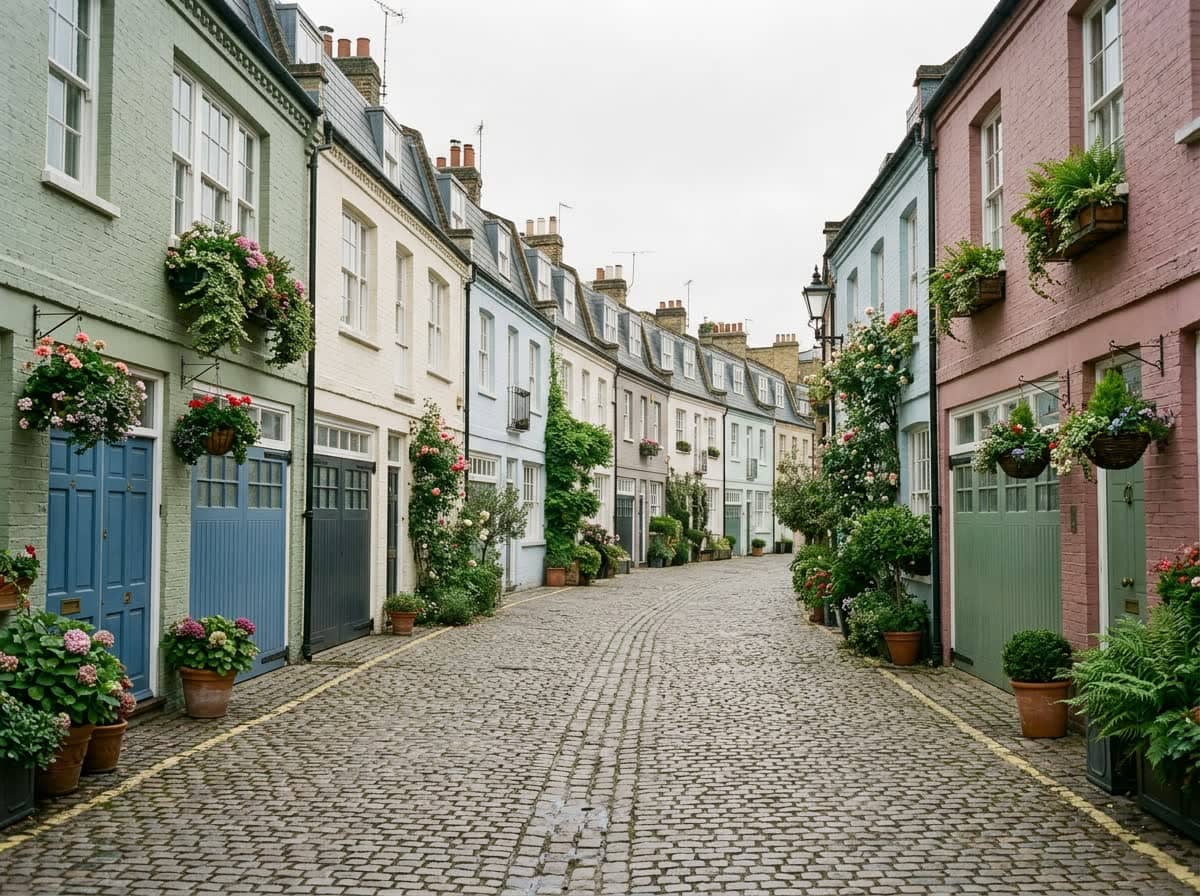
Camden mews houses where the standard planning permission fee buys an application with extra conservation scrutiny

Planning fees in Camden

Camden charges the national fee like everyone else, but its conservation-area coverage routes many householder applications past a conservation officer — extra scrutiny for the same money, and a strong argument for getting the scheme right before submitting.

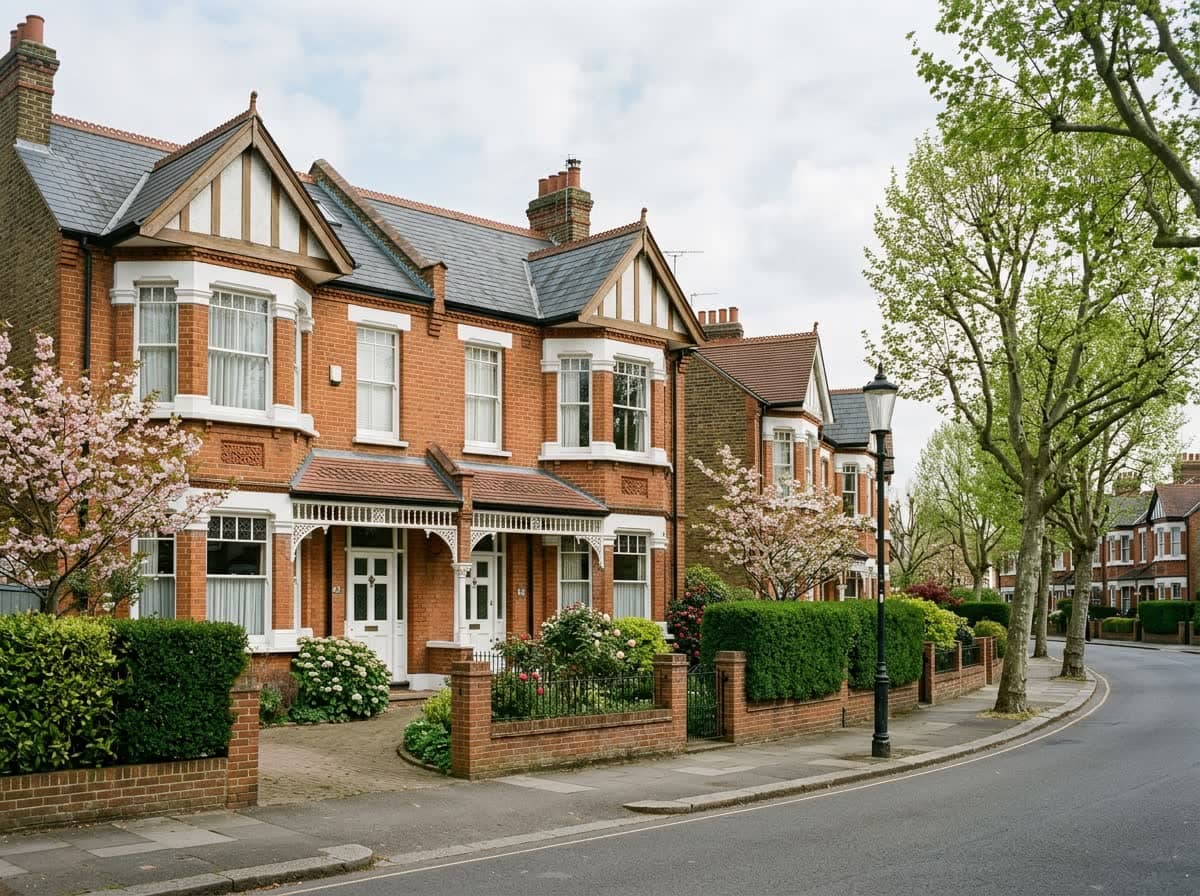
Victorian terraces in Ealing where householder planning permission fees convert reliably into approvals

Planning fees in Ealing

Ealing's Victorian terraces and 1930s semis produce a high volume of straightforward householder applications, where the £548 most reliably converts into an approval — provided the drawings meet the borough's validation list first time.

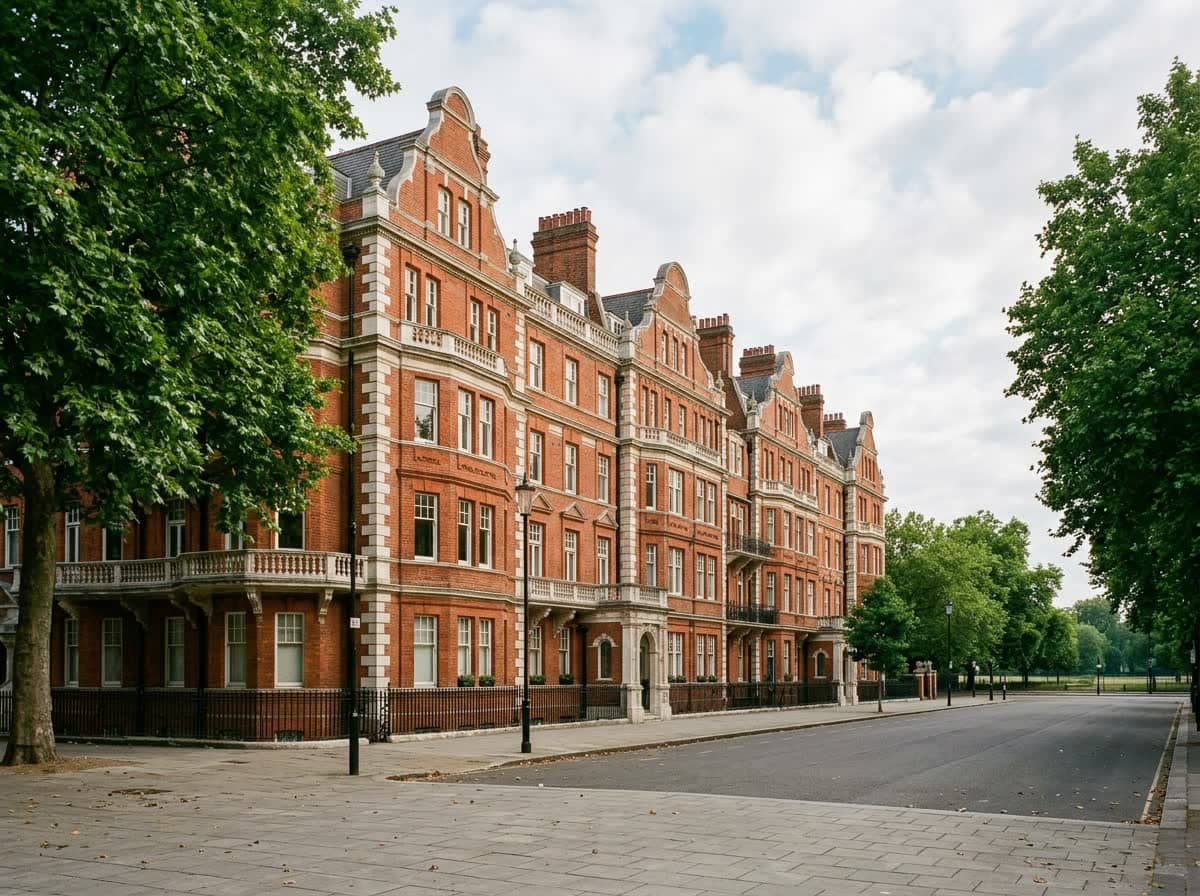
Victorian terraces in Battersea where Wandsworth charges the standard householder planning permission fee

Planning fees in Wandsworth

Wandsworth handles a steady flow of terrace extensions and loft conversions; the fee is the same £548, and the practical variable is whether your scheme sits inside one of the borough's conservation areas.

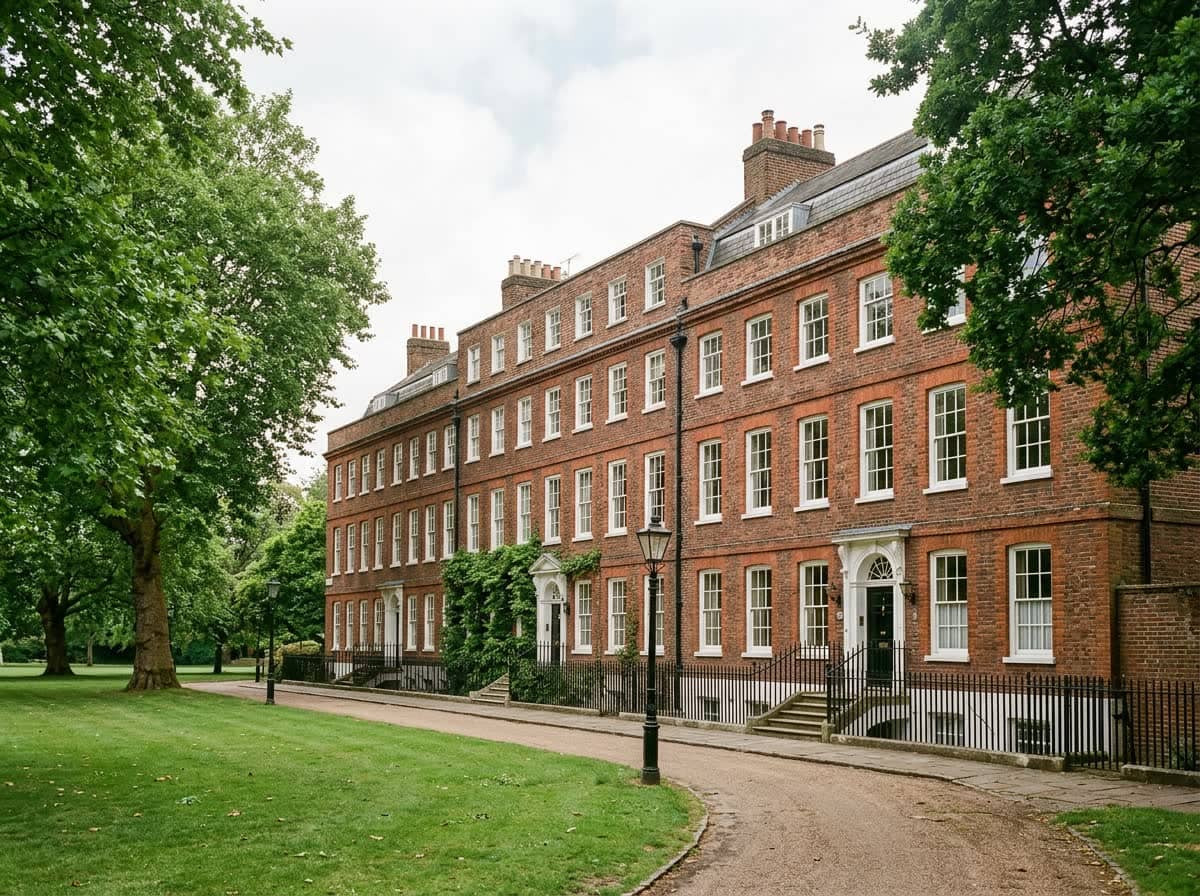
Georgian houses in Richmond where planning permission costs the national fee despite heavier design scrutiny

Planning fees in Richmond

Richmond's careful conservation approach often means design amendments mid-application. None of that changes the fee — but it does change how much preparation the fee is worth spending against.

Ready for drawings your council will approve?

Tell us about your project and get a fixed, no-obligation quote back within one working day. If you don't need planning permission at all, we'll tell you that too — for free.

Get your free fixed quote

60 seconds now. A fixed, no-obligation quote back within one working day — and we'll tell you if you don't even need planning.

No obligation · No spam · Reply within 1 working day

Frequently asked questions

How much does planning permission cost in 2026?

A householder application in England costs £548 from 1 April 2026 — a flat statutory fee covering extensions, loft conversions and alterations to a single home, regardless of the project's size or value. Fees are uprated by inflation every April, so always check the effective date of any figure you find.

Why do some websites say planning permission costs £258?

Because they are out of date. The householder fee was £258 until annual inflation indexation began in April 2025, and it has risen twice since — most recently by 3.8% on 1 April 2026 to reach £548. A guide without an effective date beside its figures cannot be relied on for budgeting.

Do I get the planning fee back if my application is refused?

No. The fee buys a decision, not an approval, and a refusal consumes it exactly as an approval would. You do, however, get one free revised application within 12 months of the refusal for substantially the same development on the same site — which is why a redesign usually beats an immediate appeal.

Does the planning permission fee include the drawings?

No. The statutory fee is paid to your council for determining the application; the plans and elevations it must arrive with are a separate cost. Councils will not validate an application without a location plan, block plan and existing and proposed drawings at recognised scales.

How much does a lawful development certificate cost?

Half the full application fee for that category — £274 for an extension or alteration to a house, but £136 for curtilage works such as an outbuilding or garden room. It is not a flat half of the householder fee, so identify your category before paying.

Is planning permission more expensive in London?

No. Statutory planning fees are set nationally, so a London borough charges exactly the same £548 as a rural district for the same householder application. What differs is the supporting material London boroughs expect, and the approval odds once your application is in.

Do I have to pay the Community Infrastructure Levy on an extension?

Usually not. CIL applies to development of 100m² or more and to any new dwelling, so most extensions and loft conversions fall under the threshold and are exempt as minor development. If your scheme is larger, you must claim relief and receive the council's acknowledgement before starting work, or the full levy becomes payable.

How much does it cost to appeal a refused householder application?

The Planning Inspectorate does not charge the appellant to lodge a householder appeal, which must be submitted within 12 weeks of the decision notice. Costs can be awarded against a party that behaves unreasonably, so free to lodge is not the same as free of risk.

Planning approval report

Know your approval odds before you spend a penny on drawings

Answer five quick questions and get a free planning score for your exact address — instantly. Then, if you want the full picture, unlock the detailed analysis: your council's live approval rates, local precedents, constraints on your street and a step-by-step route to permission.

Keep reading

More plain-English planning guides from our team.