Lawful Development Certificates explained: proof that your project is legal
A Lawful Development Certificate is a legal document, signed by your council, confirming that a use or building operation is lawful — not a planning permission, but formal proof that none was ever needed. This guide explains the two statutory types, the evidence each demands, how the enforcement immunity clock creates lawfulness, and why solicitors ask for a certificate the moment a house goes on the market.
★★★★★ Rated 4.9/5 by London homeowners96% approval rate · 2,400+ drawings delivered
Share
What is a Lawful Development Certificate?
A Lawful Development Certificate is a document that settles a single legal question: is this thing lawful? It is issued under sections 191 and 192 of the Town and Country Planning Act 1990, and its whole purpose is to convert an assertion — 'this didn't need permission' — into evidence a court, a council enforcement officer or a buyer's conveyancer will accept without argument. Crucially, a certificate is not a consent. It grants nothing. It records that a use or operation was already lawful at the date it was determined, and freezes that finding.
That distinction matters because lawfulness and permission are different states. A rear extension built within permitted development limits is lawful the moment it is complete, whether or not anyone ever documents it. A change of use that has run unchallenged past the enforcement immunity period is lawful even though it never had, and could never have obtained, express consent. The certificate simply makes an existing legal fact provable. Anyone can apply — you do not need to own the land — and once granted, a certificate cannot be revoked unless it was obtained by a false statement or a withheld material fact.
The value of that permanence is easy to underestimate until you need it. Enforcement officers, mortgage lenders and prospective purchasers all deal in documented certainty, not in a homeowner's recollection of what the rules were fifteen years ago. A certificate answers them in one page, which is why so many owners who built entirely legally still choose to have the legality recorded.
Which certificate do I need, and how does it differ from planning permission?
A section 192 certificate confirms a proposed development would be lawful; a section 191 certificate confirms an existing development already is; full planning permission grants a right to build something that is not otherwise permitted. Each answers a different question and needs different evidence.
Route
What it proves
Evidence it turns on
When you use it
LDC — proposed (s.192)
That a described future project would be lawful without planning permission.
Scaled existing and proposed drawings measured against the permitted development conditions.
Before building, to lock in certainty and hand your builder an approved reference.
LDC — existing (s.191)
That a completed operation, an established use, or a breach now beyond the immunity period is lawful.
Dated photographs, statutory declarations, utility bills, tenancy or council-tax records proving the timeline.
After the fact — usually when selling, remortgaging or regularising unauthorised work.
Full planning permission
Permission to carry out development that the council has judged acceptable on its merits.
A design assessed against local and national policy, plus public and consultee consultation.
When the work exceeds permitted development or the site's rights have been removed.
Sources: GOV.UK planning practice guidance, 'Lawful development certificates'; Town and Country Planning Act 1990, ss.191–192. An LDC decision is a test of lawfulness on the balance of probability; planning permission is a discretionary judgement on planning merit.
When would you actually want a certificate?
The commonest trigger is a sale. When a buyer's solicitor reviews the title, any loft conversion, extension or outbuilding raises the same query: where is its consent? If the work was permitted development, there is no planning permission to produce — and 'we didn't need one' rarely satisfies a cautious conveyancer or the buyer's lender. A section 191 certificate closes the enquiry cleanly, and homes that carry one for their alterations tend to exchange without a last-minute price chip or an indemnity-insurance scramble.
The second trigger is doing the work in the first place. Because permitted development is self-assessed, nothing formally confirms your reading of the conditions is correct until a council officer agrees with it. A section 192 certificate obtained before you start flushes out a measurement or eligibility problem while it can still be redesigned around, rather than after a neighbour has reported a finished building. It is cheap insurance against building something you then have to unbuild.
The third trigger is regularising work that was never authorised and never certified. Here the certificate rests not on compliance with permitted development but on the passage of time — on the enforcement immunity rules that make long-standing breaches lawful. That is a different legal foundation, and it deserves its own explanation.
The immunity clock: how time makes a breach lawful
Unauthorised work becomes immune from enforcement once the relevant period elapses, and immunity is what a section 191 certificate captures. For breaches substantially completed on or after 25 April 2024, a single 10-year rule applies to everything. Breaches finished before that date keep the older split: 4 years for building operations and for a change of use to a single dwelling, 10 years for other changes of use and breaches of condition. Get the date and the category right and the whole application turns on it.
What evidence does a Lawful Development Certificate need?
The two certificate types stand or fall on completely different material. A proposed certificate is won with drawings; an existing certificate is won with a documented timeline the council can accept on the balance of probability.
Proposed (s.192): the drawings
Scaled existing and proposed plans, sections and elevations that let an officer measure the scheme against every relevant condition — depth, height, eaves, set-back and coverage. The certificate is only as reliable as the dimensions on the page, so millimetre accuracy is the whole game.
Existing (s.191): the timeline
Proof of when the use or building began and that it has continued. Dated photographs, delivery and utility bills, bank records, tenancy agreements and council-tax history all help fix the start date beyond reasonable dispute.
Statutory declarations
A sworn statement from the owner, and ideally neighbours or a former builder, describing what happened and when. Because it is sworn, it carries evidential weight — but unsupported assertion rarely persuades an officer on its own.
The description of works
A precise written account of exactly what is being certified. An LDC certifies only what is described, so a loose or partial description produces a certificate that protects less than the owner thinks it does.
How the application is decided
A council determines an LDC purely on fact and law: does the evidence show, on the balance of probability, that the development is lawful? There is no public consultation, no design assessment and no discretion. The sequence to expect:
You submit the application with the fee — set at half the fee that a planning application for the same development would attract, so it is a genuinely modest charge
The council validates it against its checklist; missing drawings or a vague description of works stall it before the clock even starts
An officer tests the evidence — measuring the drawings for a proposed certificate, weighing the timeline for an existing one — against the statutory tests
A decision is normally reached within the 8-week target that applies to a householder application
If granted, the certificate records the finding permanently and cannot be revoked unless it was obtained by false or withheld information
The judgement is legal, not aesthetic — an ugly but compliant scheme is certified, and a handsome but non-compliant one is refused
What happens if a certificate is refused?
A refusal is not a planning refusal, and reading it as one leads owners astray. The council is not saying your project is unacceptable; it is saying the evidence did not persuade it that the development is lawful. For a proposed certificate that usually means a dimension breached a condition or the description was too loose to test. For an existing certificate it usually means the timeline was not proven to the required standard — a gap in the photographs, a start date that could not be pinned down.
The remedy depends on the cause. Often the cleanest response is a fresh, better-evidenced application: tighten the drawings, add the missing statutory declarations, produce the utility record that fixes the date. Where you believe the council applied the law wrongly, there is a dedicated appeal to the Planning Inspectorate against the refusal of a certificate, decided on the same lawfulness question rather than on planning merit. In a contested existing-use case the Inspectorate may hold an inquiry so evidence can be tested on oath.
This is where preparation pays. Certificates are lost far more often to thin evidence than to genuinely unlawful development — a real permitted-development scheme that fails only because the drawings were imprecise, or a genuinely immune building whose start date nobody troubled to document at the time. Assembling the case properly the first time is almost always faster than appealing a refusal that careful evidence would have avoided.
Why lawfulness is a local question across London
The statutory tests are national, but whether a given project is lawful turns on local designations and local planning history. A few neighbourhoods show why the evidence gathering is never generic.
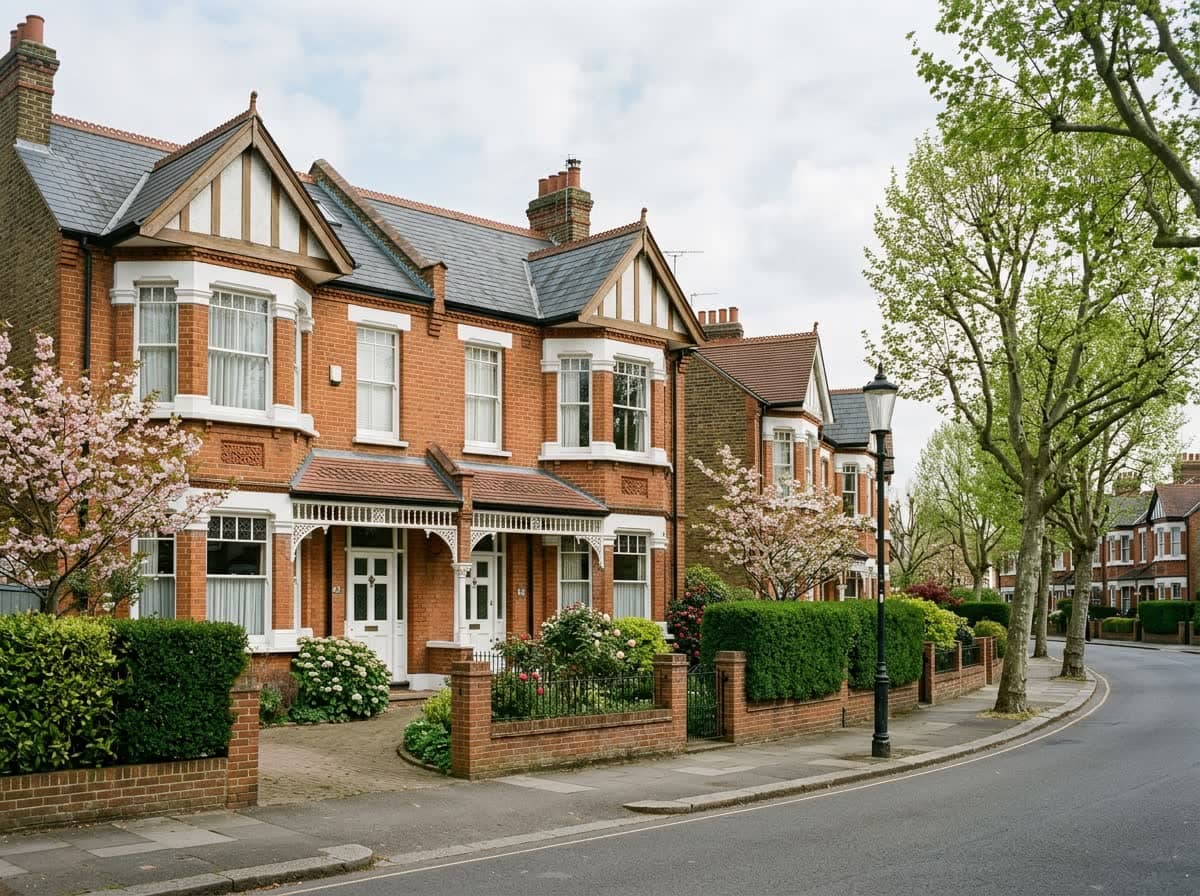
Ealing's Edwardian semis produce a steady stream of proposed certificates for lofts and extensions built to permitted development — the case usually rests on clean drawings, though conservation designations around the older cores can remove the very rights the certificate would confirm.
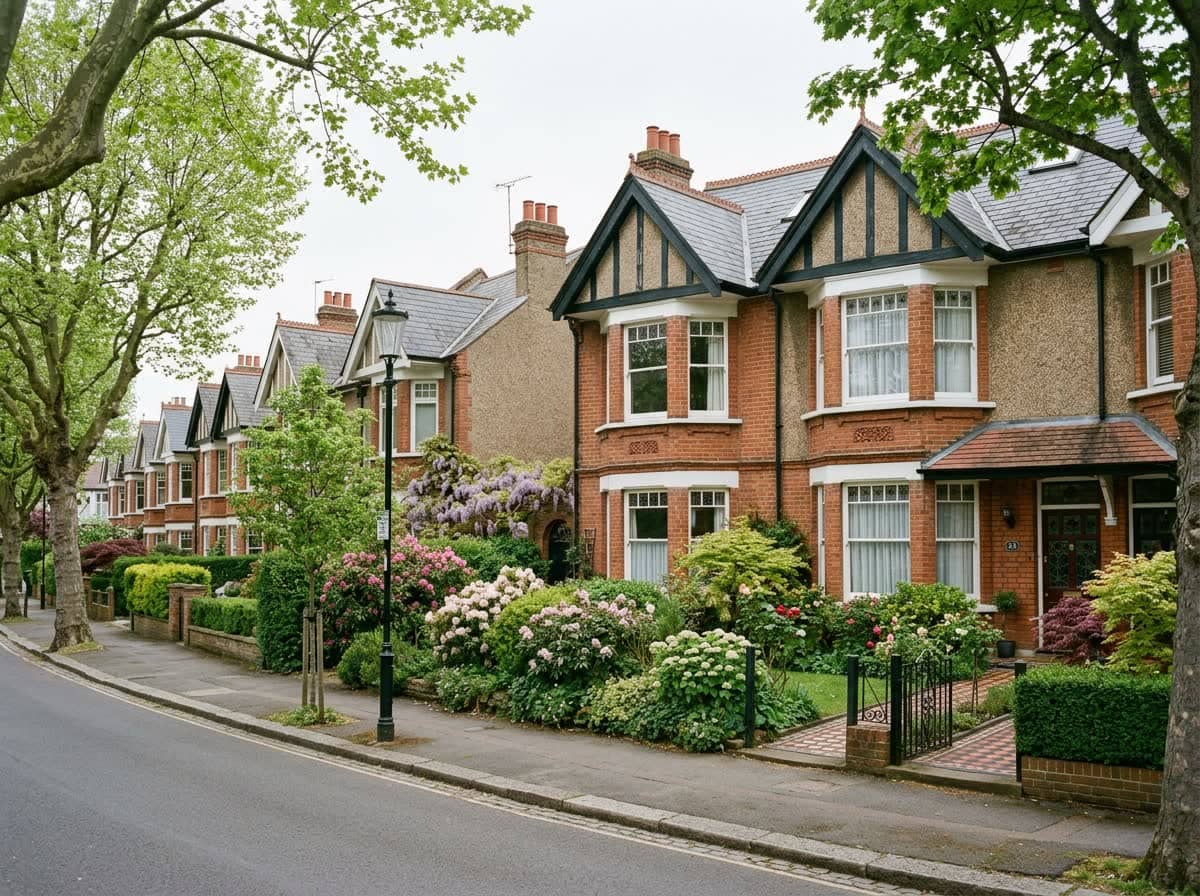
Owners selling in Wimbledon frequently need an existing-use certificate to satisfy a buyer's solicitor that a past extension was lawful — a documented timeline of dated photographs and utility records is what carries the application.
Around Greenwich's historic core and World Heritage buffer, proving lawfulness means first proving which rights survived — designations here curtail permitted development, so an officer scrutinises eligibility as hard as the measurements.
Richmond's careful conservation approach makes accurate, well-referenced drawings essential — a proposed certificate here has to leave an officer with no measurement to doubt, because the borough looks closely at anything near a designated area.
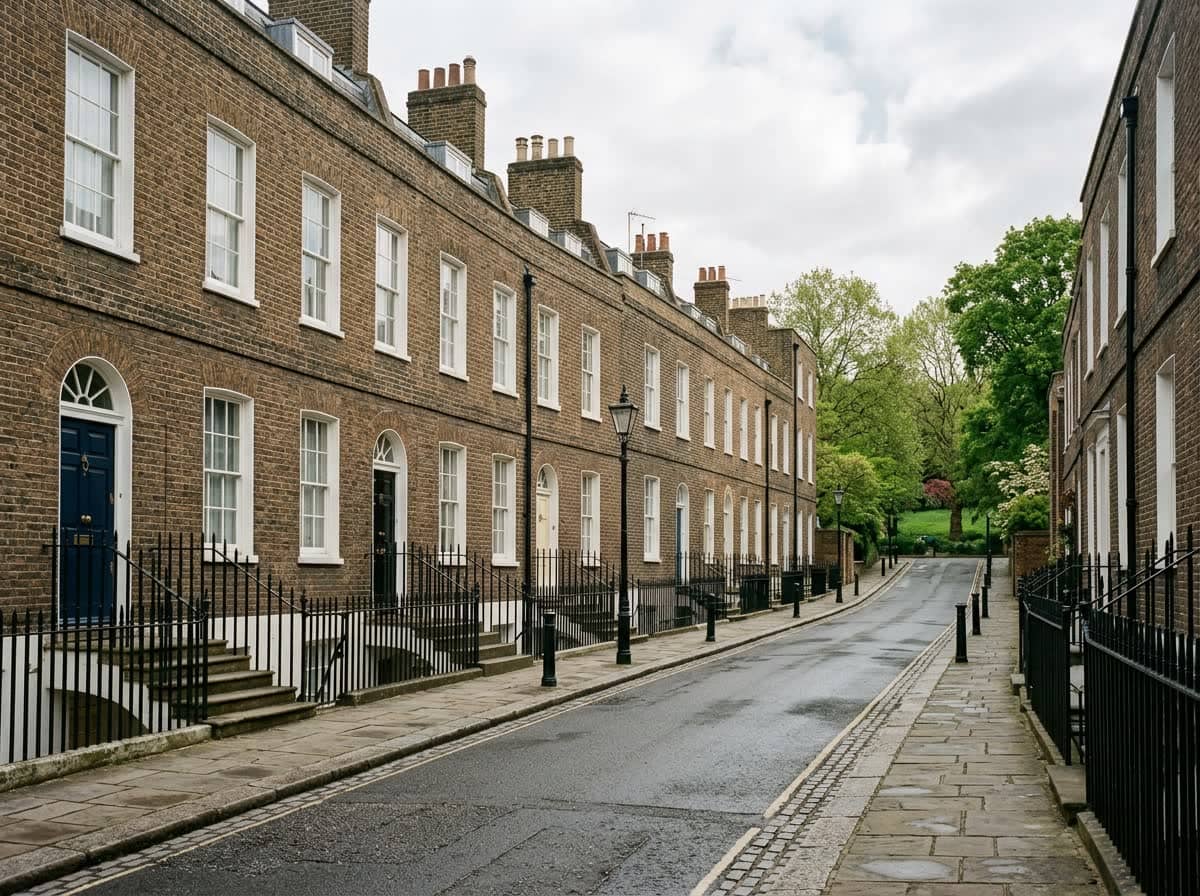
Clapham's Victorian terraces change hands often, and an existing-use certificate for a long-standing loft or rear return regularly removes the final obstacle to exchange — the immunity clock does the legal work, the paperwork proves it.
Ready for drawings your council will approve?
Tell us about your project and get a fixed, no-obligation quote back within one working day. If you don't need planning permission at all, we'll tell you that too — for free.
Frequently asked questions
Is a Lawful Development Certificate the same as planning permission?
No. Planning permission grants a right to carry out development the council has judged acceptable on its merits. A Lawful Development Certificate grants nothing — it confirms that a use or building operation is already lawful and needed no permission in the first place. One creates a right; the other records an existing legal fact.
What is the difference between a section 191 and a section 192 certificate?
A section 192 certificate confirms that a proposed, not-yet-built development would be lawful, and is sought before work starts. A section 191 certificate confirms that an existing use or completed operation already is lawful, and is sought afterwards. The proposed route turns on drawings; the existing route turns on a documented timeline.
Do I need to own the property to apply for a certificate?
No. Anyone may apply for a Lawful Development Certificate, not only the landowner, because the certificate resolves a question of law about the land rather than granting a personal consent. You must, however, notify the owner where you are not the sole owner, and give an accurate account of the works being certified.
How long must unauthorised work stand before it becomes lawful?
For breaches substantially completed on or after 25 April 2024, a single 10-year immunity period applies to all development. For work finished before that date, the older limits still apply: 4 years for building operations and for creating a single dwelling, and 10 years for other changes of use and condition breaches.
Can a Lawful Development Certificate be taken away once granted?
Only in narrow circumstances. A certificate is permanent and cannot be revoked simply because the council later changes its mind. It can be cancelled if it was obtained through a false statement, a forged document, or the withholding of a material fact — which is why the description of works and the supporting evidence must be scrupulously accurate.
What evidence proves an existing use for a section 191 certificate?
The council decides on the balance of probability, so it wants a timeline it can trust: dated photographs, utility and council-tax bills, bank statements, tenancy agreements and sworn statutory declarations from people who witnessed the use. The stronger and more consistent the paper trail, the less room an officer has to doubt the start date.
Can I appeal if my certificate application is refused?
Yes. There is a dedicated right of appeal to the Planning Inspectorate against the refusal of a lawful development certificate, decided on the same question of lawfulness rather than on planning merit. In disputed existing-use cases the Inspectorate may hold an inquiry so that evidence about the facts can be tested on oath.
Planning approval report
Know your approval odds before you spend a penny on drawings
Answer five quick questions and get a free planning score for your exact address — instantly. Then, if you want the full picture, unlock the detailed analysis: your council's live approval rates, local precedents, constraints on your street and a step-by-step route to permission.