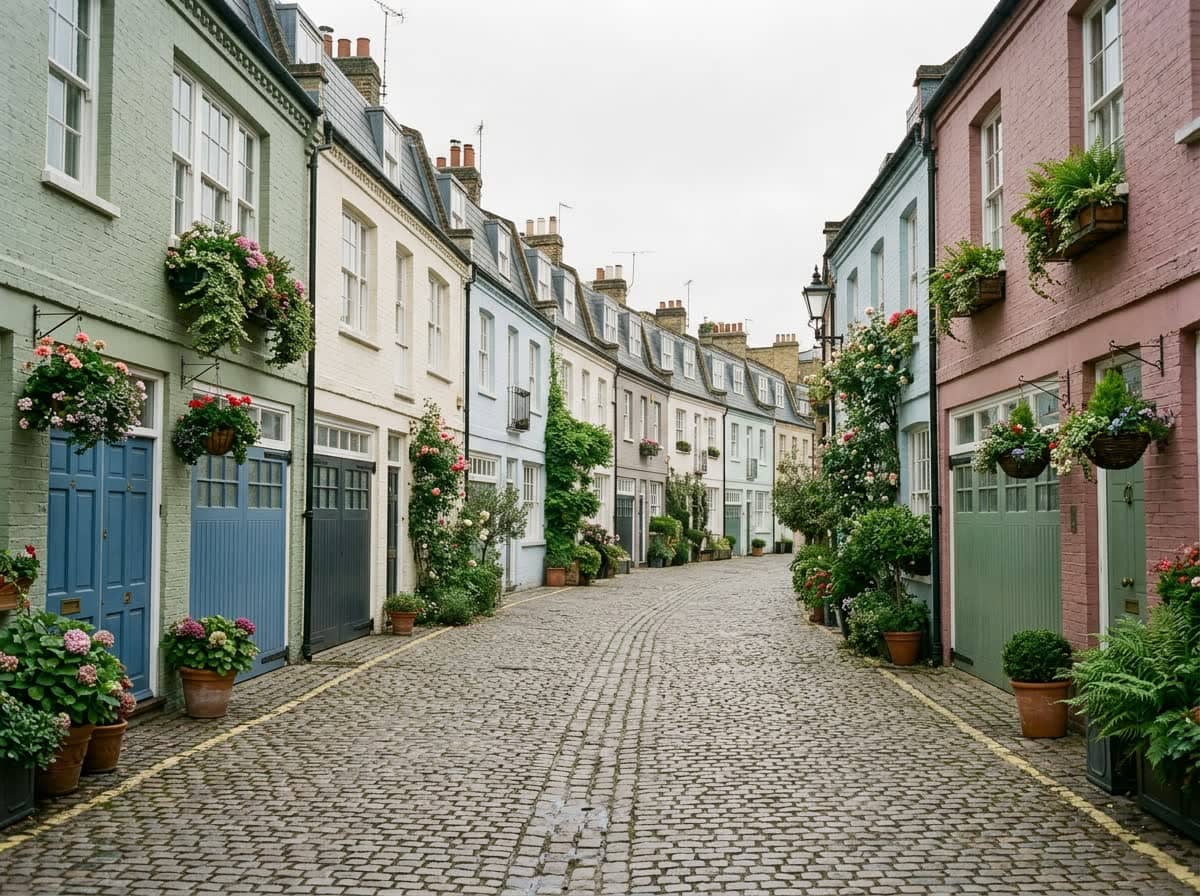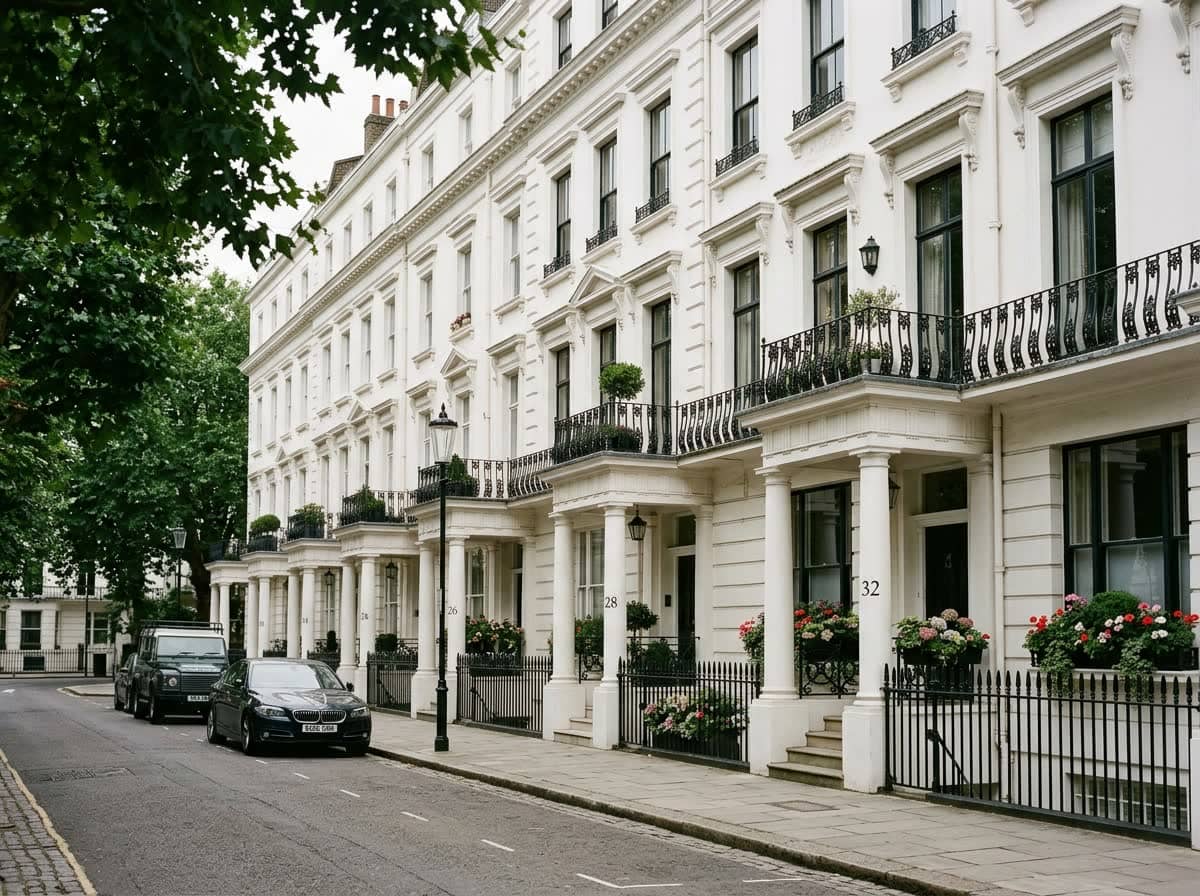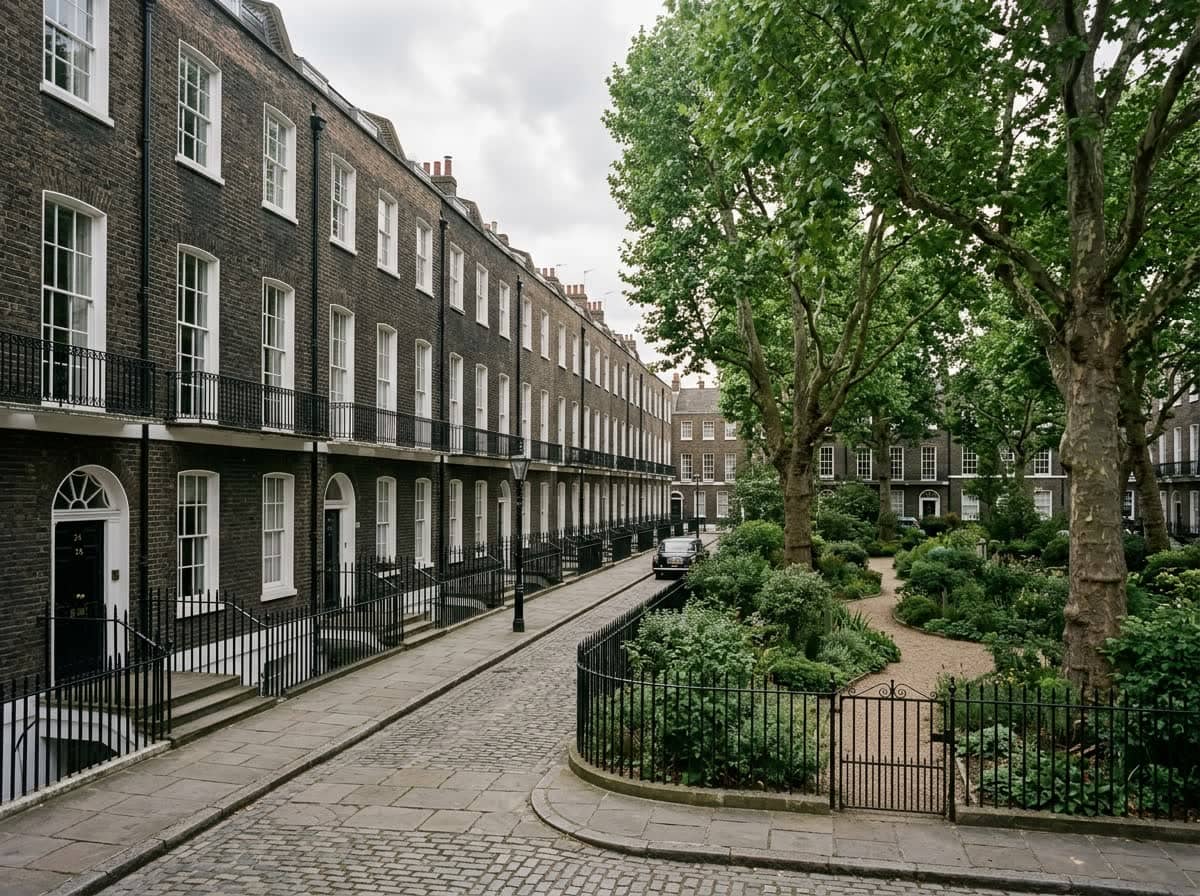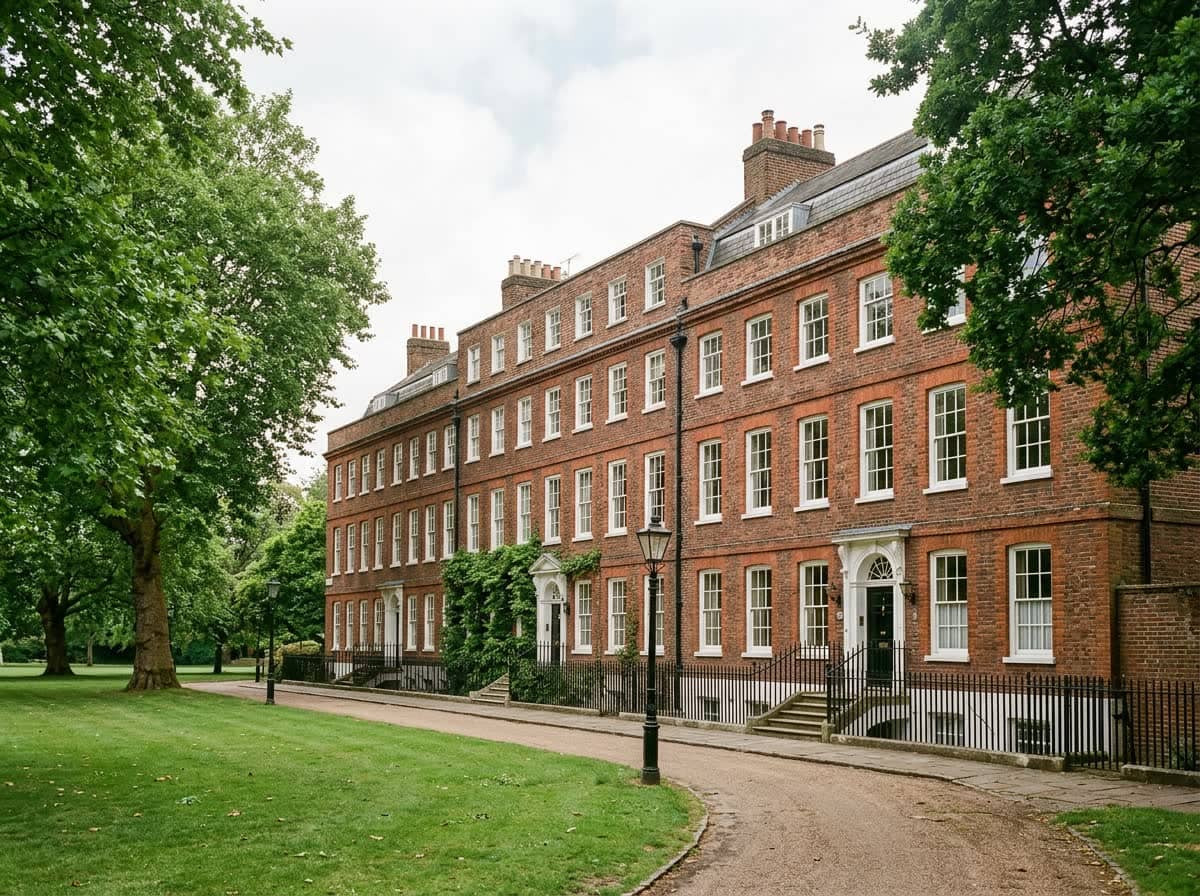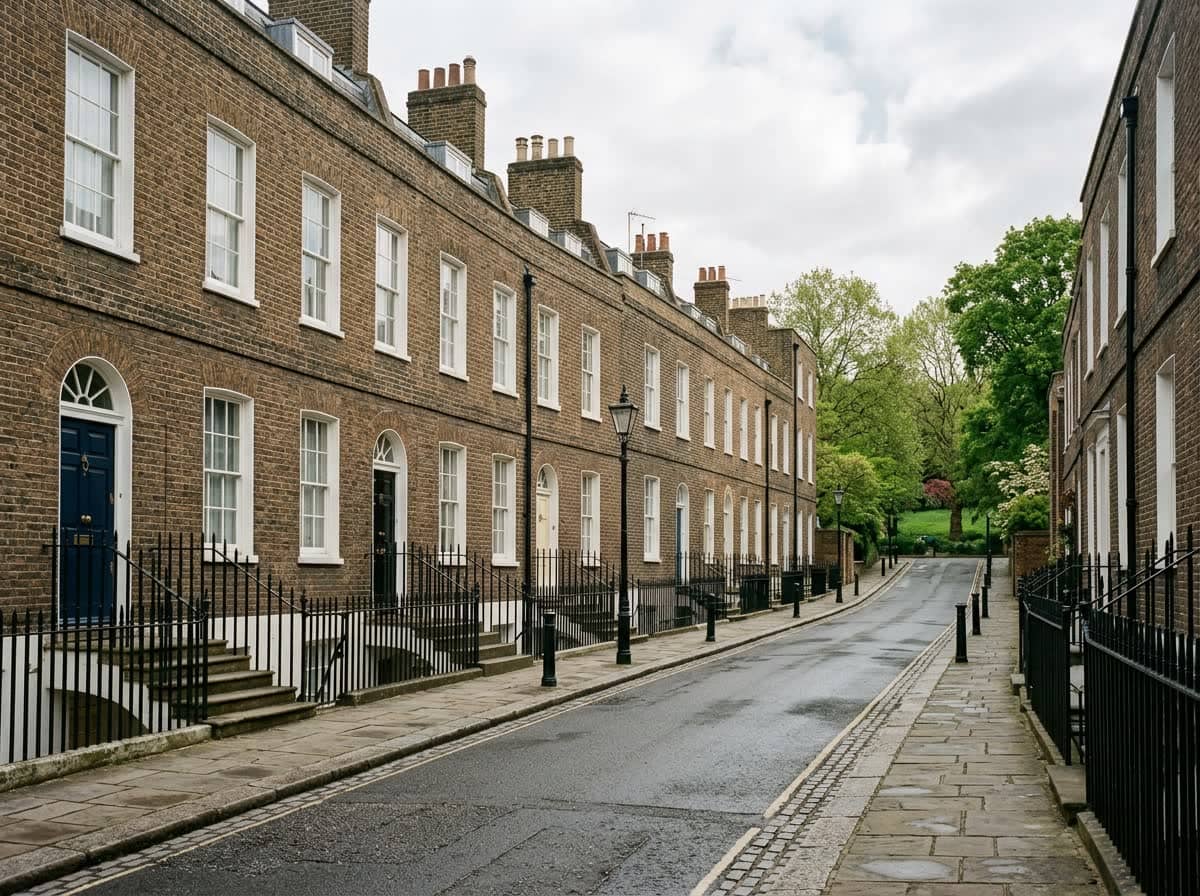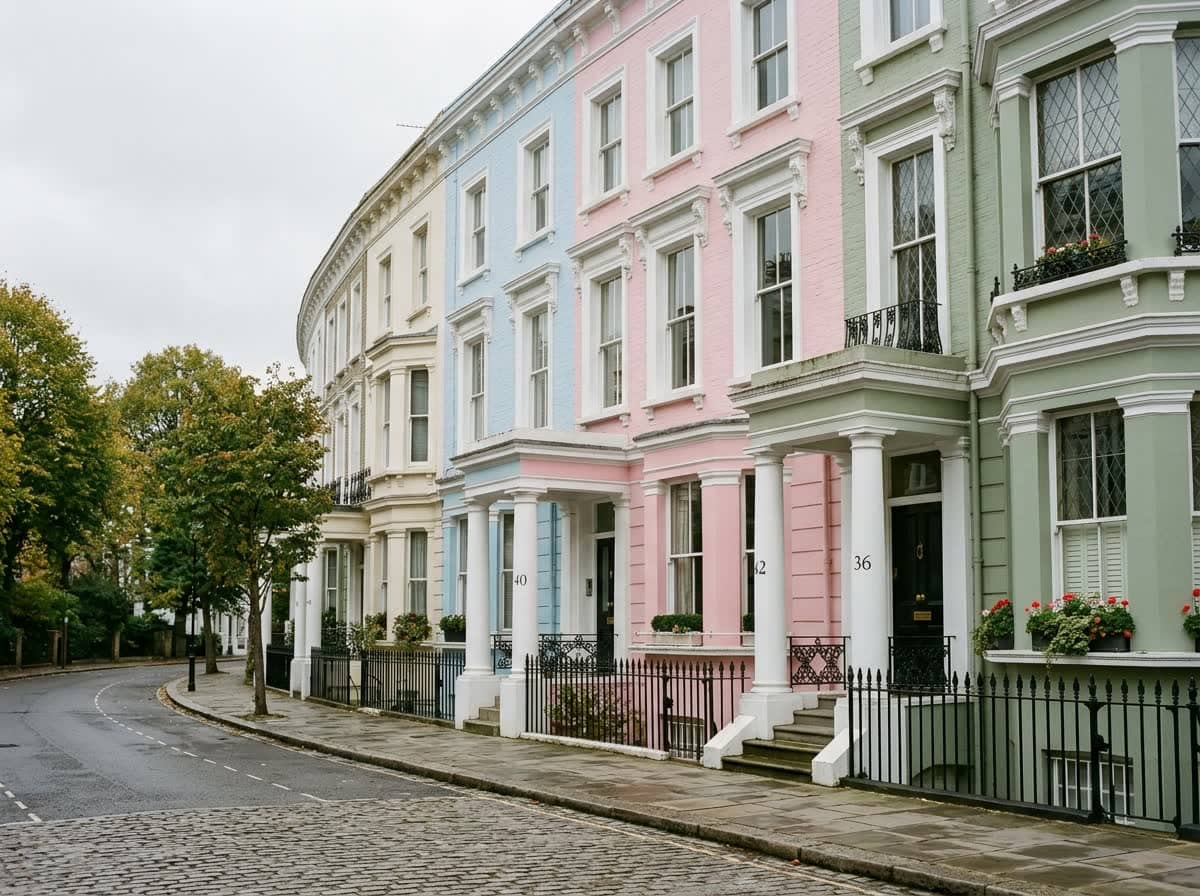
Across huge swathes of London the automatic right to extend, re-roof or re-clad your home simply is not there. Conservation-area designation and Article 4 directions are the two legal tools boroughs use to claw permitted development back, forcing a full planning application for work that anywhere else would be automatic. This guide explains both, maps which London boroughs use them and for what, and shows how to stay on the right side of enforcement.
A conservation area is an area of special architectural or historic interest whose character a local authority has a statutory duty to preserve or enhance, designated under the Planning (Listed Buildings and Conservation Areas) Act 1990. It is a designation of place, not of individual buildings: an ordinary Victorian terrace with no listing of its own becomes protected simply because the street it stands in is designated. London has thousands of them, and in the historic central boroughs they cover most of the map.
Designation does two things at once. It hands the council extra control over demolition, trees and the appearance of the streetscape, and — crucially for homeowners — it automatically narrows the national permitted development allowances. The Town and Country Planning (General Permitted Development) Order treats conservation areas as 'Article 2(3) land', and several rights that apply freely elsewhere are switched off the moment you cross the boundary.
The practical effect is that the phrase 'it's normally permitted development' stops being reassuring. Inside a conservation area the default flips: more work needs consent than not, and the safe assumption is that anything altering the exterior will be scrutinised for its effect on the area's character before it can proceed.
Designation as an Article 2(3) area withdraws or tightens specific permitted development rights. These are the ones that catch householders most often.
The right to enlarge a roof with a dormer is withdrawn entirely in conservation areas, so a rear dormer loft conversion that would be automatic elsewhere needs a full planning application here.
Side extensions lose their permitted development status, and the larger single-storey rear extension route — the deeper projection allowed under prior approval — is unavailable inside the designation.
Applying stone, render, timber, tiles or render to the exterior is no longer permitted development, because materials are central to an area's character and are policed closely.
Aerials and dishes on a chimney, wall or roof slope that fronts a highway need consent, rather than being installed freely as they can be elsewhere.
Garden buildings sited to the side of a house lose permitted development cover in conservation areas, tightening where a studio or garden room can legally go.
Substantial demolition of an unlisted building, wall or gate in a conservation area needs planning permission for relevant demolition — and doing it without is a criminal offence.
An Article 4 direction is a formal order a council makes under Article 4 of the permitted development order to withdraw one or more named rights in a defined area. Where a conservation area trims a fixed set of rights automatically, an Article 4 direction is bespoke: the borough picks exactly which right to switch off, and can apply it to a single street, a named conservation area, or the whole borough.
The key point is what an Article 4 direction does not do. It does not ban the work — it removes the automatic permission, so you must apply for full planning permission for something the rest of the country enjoys as a right. A front-facing extension, a change of windows, or the conversion of a family house into a shared home can all go from automatic to application-only the moment a direction bites.
By far the most widespread use across London is the change of use from a single dwelling (use class C3) to a small house in multiple occupation shared by three to six people (class C4). That step is nationally permitted development, but where an Article 4 direction has removed it, a landlord must obtain planning permission first. More than two-thirds of London boroughs now operate such a direction, many of them borough-wide.

Article 4 coverage in London falls into two broad camps: heritage directions in the historic central boroughs that control windows, doors and roof materials, and borough-wide HMO directions across outer London that withdraw the C3-to-C4 conversion right. This table samples both.
| Borough | Designation intensity | What Article 4 withdraws |
|---|---|---|
| Kensington & Chelsea | Around three-quarters of the borough is conservation area, spread across roughly 38 areas | Extensive heritage directions covering windows, front doors, roof materials and boundary treatments, alongside conservation-area restrictions on dormers and cladding. |
| Westminster | More than 50 conservation areas covering the great majority of the borough | Front-elevation alterations, materials and shopfronts across Marylebone, Mayfair, Belgravia and St John's Wood conservation areas. |
| Camden | Around 40 conservation areas covering roughly half the borough | Directions on windows, doors and front-facing changes within many conservation areas, plus the standard conservation-area loss of dormer and cladding rights. |
| Islington | More than 40 conservation areas over most of the Georgian and Victorian terraces | Heritage directions on front elevations and materials, reinforcing tight control over its dense terraced streetscape. |
| Croydon | Borough-wide HMO direction (2020) | The right to convert a single dwelling (C3) to a small HMO (C4) is withdrawn across the whole borough, so every small-HMO conversion needs planning permission. |
| Greenwich | Borough-wide HMO direction (2018) | C3-to-C4 conversions require planning permission borough-wide, layered over conservation-area controls near the World Heritage core. |
| Waltham Forest | Borough-wide HMO direction (2014) | One of London's earliest borough-wide HMO directions; small-HMO conversions need permission everywhere in the borough. |
| Hounslow | Conservation-area directions confirmed 2025 | Bedford Park and Gunnersbury Park conservation-area directions (in force 22 April 2025) withdraw rights over windows, roofs and front elevations. |
Sources: Historic England guidance on conservation areas and Article 4 directions; Royal Borough of Kensington and Chelsea and Camden Council conservation-area registers; London Property Licensing HMO Article 4 tracker; London Borough of Hounslow Article 4 directions (Bedford Park and Gunnersbury Park, confirmed 4 March 2025). Direction scope changes — always confirm the current position with the relevant borough before relying on it.
Withdrawing a right can make a council liable to pay compensation if it later refuses the very permission its own direction made necessary. Boroughs sidestep this by giving at least twelve months' notice before a direction takes effect — after which no compensation is due. The upside for applicants: the planning application that exists only because of an Article 4 direction is exempt from the usual application fee, so compliance costs you the process, not the council charge.
Whether your home sits in a conservation area or under an Article 4 direction — or both — is knowable before a single line is drawn. Run these checks first:
A handful of boroughs show how far designation can reach — from near-total conservation coverage in the centre to borough-wide HMO directions on the edge of the city.

With around three-quarters of the borough inside a conservation area and layers of heritage Article 4 directions on windows, doors and roofs, almost nothing external is automatic here — a lawful development certificate rarely settles it on its own.

Camden's roughly 40 conservation areas cover about half the borough, and directions on front windows and doors mean even a like-for-like sash replacement can need consent on a designated street.

Islington's Georgian and Victorian terraces are protected across more than 40 conservation areas, so front-elevation changes and materials are policed tightly through both designation and Article 4 directions.

Richmond's riverside villages and Georgian streets carry extensive conservation coverage, and its careful heritage stance means dormers, cladding and front alterations almost always route through a full application.

Greenwich pairs conservation-area controls around its World Heritage core with a borough-wide Article 4 direction on small-HMO conversions, so both alterations and changes of use need permission across much of the borough.
Tell us about your project and get a fixed, no-obligation quote back within one working day. If you don't need planning permission at all, we'll tell you that too — for free.
Every London borough publishes an interactive planning constraints map showing conservation-area boundaries. Search your address on the council website, or ask the planning department directly — boundaries can run down the middle of a street, so confirm your specific property rather than assuming from a neighbour.
No. An Article 4 direction removes the automatic permission, not the ability to do the work. You simply have to apply for full planning permission and let the council assess it on its merits, rather than proceeding as permitted development without any application.
Usually not. Where a planning application is required solely because an Article 4 direction has withdrawn a permitted development right, the application is exempt from the standard fee. The design, drawings and submission work remain a normal cost, but the council charge itself is waived.
Often you need consent. Many London conservation areas carry Article 4 directions that specifically remove the right to alter front-facing windows and doors, so even a like-for-like replacement on the street elevation can require planning permission before you start.
Converting a single home to a small HMO shared by three to six people is nationally permitted development, and boroughs concerned about housing balance and amenity use Article 4 directions to require planning permission instead. More than two-thirds of London boroughs now operate such a direction, many of them borough-wide.
No. A conservation area protects the character of a whole area and applies to every property within its boundary, listed or not. Listing protects an individual building of special interest and brings a separate, stricter consent regime that can apply even to internal changes.
The council can serve an enforcement notice requiring the work to be undone, and unauthorised demolition in a conservation area is a criminal offence. Because designation is a matter of public record, unapproved external work is also readily spotted when you come to sell.
Answer five quick questions and get a free planning score for your exact address — instantly. Then, if you want the full picture, unlock the detailed analysis: your council's live approval rates, local precedents, constraints on your street and a step-by-step route to permission.
More plain-English planning guides from our team.