A refusal is a setback, not a verdict on your project. Most refused householder schemes go on to be approved — usually through a targeted redesign and free resubmission, sometimes through an appeal. This guide explains why applications get refused and exactly what to do in the weeks after the decision notice arrives.
After a planning refusal you have three main options: revise the scheme and resubmit — usually without a further application fee within 12 months — appeal to the Planning Inspectorate within 12 weeks for householder applications, or seek pre-application advice before either. Work through this sequence first:
The same handful of reasons account for the vast majority of householder refusals: harm to neighbouring amenity through overlooking, overshadowing or an overbearing sense of enclosure; scale and design considered out of character with the host property or street scene; loss of light to neighbouring habitable rooms; and, on designated land, harm to the character of a conservation area or the setting of a listed building. Refusals are rarely arbitrary — every one must be justified against published policy.
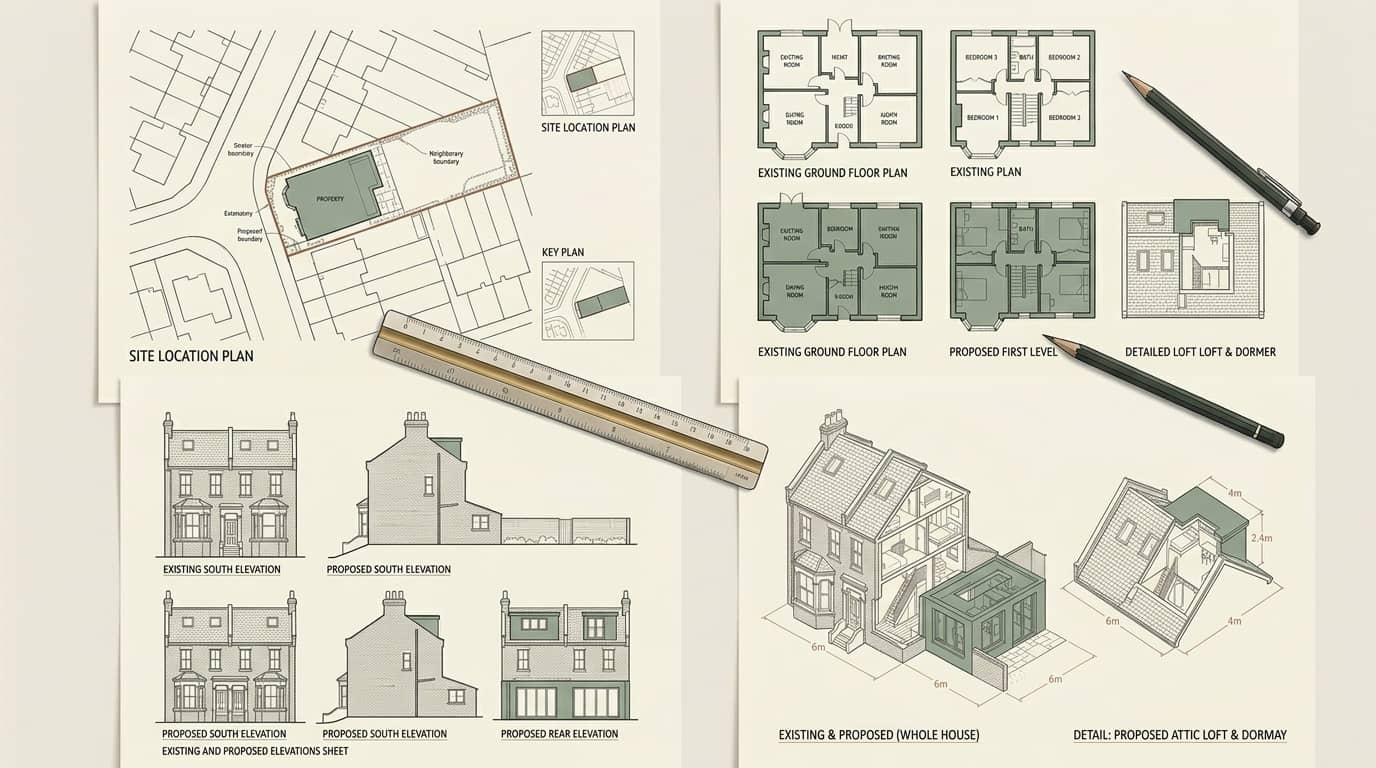
Behind many of those headline reasons sits a quieter cause: the application never gave the officer the material to say yes. Missing daylight information, elevations that don't show the neighbouring context, or drawings that leave key dimensions ambiguous force a cautious officer towards refusal. Planning officers approve schemes they can defend in writing — an application that anticipates their report is far more likely to succeed than one that merely describes a design.
This is why the decision notice and the officer's report are gold dust. They convert vague anxiety — 'the council doesn't like it' — into a finite, numbered list of solvable problems. In our experience the majority of householder refusals turn on one or two specific issues, and most of those can be resolved without sacrificing what you wanted the space to do.
For most refused householder schemes this is the fastest and most reliable path — a revised application, submitted without paying the council's application fee again, decided in a fresh 8-week period.
Map each numbered reason to the design element that caused it: a rear projection that overbears, a dormer that breaks the roofline, a side window that overlooks. Anything not cited in the reasons does not need to change.
Amend only what the refusal requires — reduce a depth, hip a roof, reposition or obscure-glaze a window, step the massing away from the boundary. The aim is the minimum change that removes the harm while keeping the space you need.
A short conversation or informal review of the revised drawings tests whether the changes go far enough. Officers remember the site and will usually say plainly whether the new scheme addresses their concerns.
One revised application for the same site and description is normally exempt from a further application fee if made within 12 months of the decision. It is validated and determined as a fresh application, with a new 8-week target.
If we prepared your drawings, a refusal costs you nothing extra: we amend the design against the officer's reasons and resubmit at no charge. If someone else drew the refused scheme, we offer a refusal review — we read the decision notice and officer's report, then tell you honestly whether resubmission, appeal or a rethink is the right move. Call 020 7864 7245.
An appeal asks the Planning Inspectorate — independent of your council — to look at the application afresh and decide it on its planning merits. For householder applications the deadline is tight: the appeal must be lodged within 12 weeks of the date on the decision notice, much shorter than the 6 months allowed for most other refusals. Householder appeals follow a fast-track written procedure: no hearing, no cross-examination, just your grounds of appeal, the council's response and an inspector's site visit.
Realistically, expect a decision around 4 to 6 months after the appeal is validated. The inspector re-decides the application as if for the first time, so the question is not whether the council behaved badly but whether the scheme accords with the development plan and national policy. Roughly speaking, appeals succeed where the refusal stretched policy beyond what the harm justified — and fail where the officer's reasoning was solid, however disappointing.
Choose appeal over resubmission when you believe the scheme as designed is right and the refusal misjudged it: an over-cautious amenity objection, a character argument contradicted by approvals on the same street, or a policy applied in a way appeal decisions elsewhere have rejected. Choose resubmission when the refusal identifies real, fixable harm. And remember the two are not exclusive — many applicants resubmit a revised scheme while an appeal on the original runs in parallel, taking whichever yes arrives first.

Sometimes the right next step is a pause rather than a resubmission. These options de-risk the second attempt.
Most councils offer a formal pre-app service: you submit sketch proposals and receive a written officer view before applying. After a refusal it is the safest way to test whether a revised design has crossed the line into approvable.
The scheme that got refused is rarely the only way to get the space. A different roof form, a reconfigured plan or a permitted-development fallback can deliver the same rooms without the contested element.
If part of your project could be built under permitted development anyway, that fallback position is a material consideration — and sometimes the pragmatic answer is to build the PD scheme and skip the argument entirely.
Daylight and sunlight assessments, street-scene elevations and precedent approvals answer amenity and character objections before they are made. Refusals are far rarer when the officer's likely questions arrive pre-answered.
Why applications get refused — and how best to come back — depends heavily on the local housing stock and heritage designations. Some neighbourhood patterns we see repeatedly.

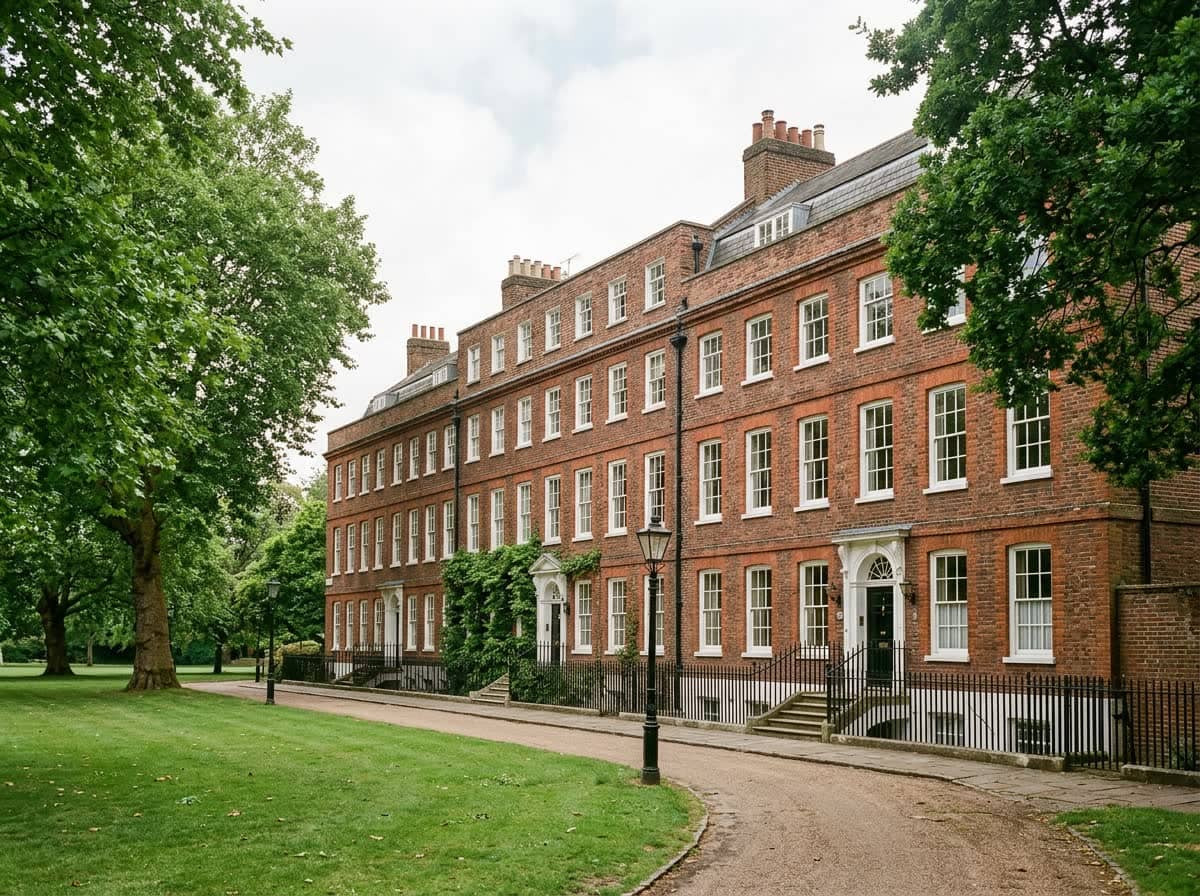
Hampstead's Georgian village core, dense conservation cover and many listed buildings mean refusals often turn on heritage harm — successful resubmissions and appeals here typically hinge on materials, roofline detail and a careful design-and-access case.

With Article 4 directions widespread across RBKC's stucco terraces, Chelsea refusals frequently cite conservation-area character — a revised scheme that directly answers the officer's reasons usually beats going straight to appeal.

Islington's tight Georgian terraces make overlooking and daylight the recurring refusal grounds — a free-go resubmission with amended fenestration and a daylight assessment often resolves what an appeal would take months to argue.

Richmond's strict conservation approach to its Georgian stock means design-detail refusals are common — but that same rigour makes well-evidenced appeals winnable when the officer's reasoning stretches beyond adopted policy.

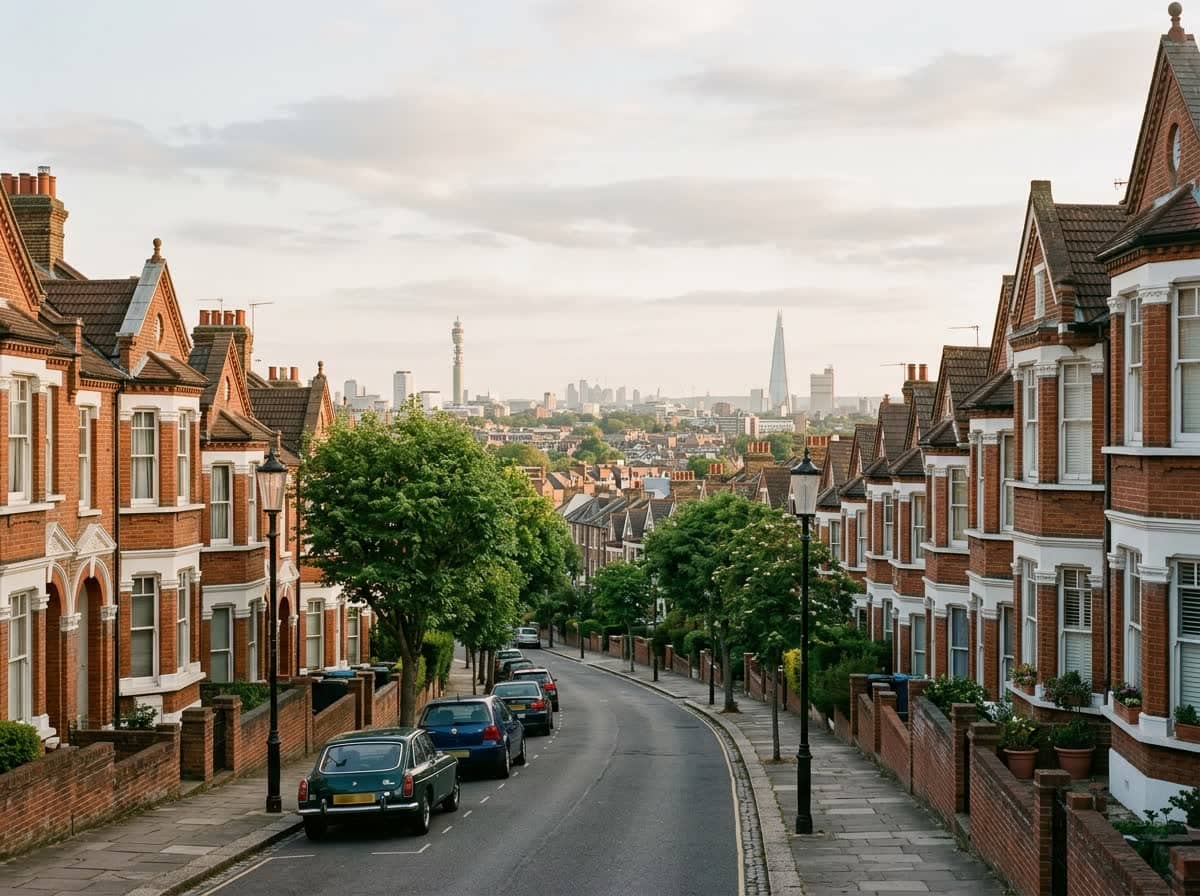
Crouch End's Edwardian terraces in Haringey often see dormer and extension refusals on bulk and roofscape grounds — precedent approvals on comparable streets are usually the strongest card in a resubmission.
Tell us about your project and get a fixed, no-obligation quote back within one working day. If you don't need planning permission at all, we'll tell you that too — for free.
Usually, yes. One further application for the same site and a similar description of development is normally exempt from the council's application fee if submitted within 12 months of the decision. It is treated as a brand-new application with a fresh 8-week determination target, so use the free go on a genuinely revised scheme.
12 weeks from the date on the decision notice — significantly shorter than the 6-month deadline for most other planning appeals, and the Planning Inspectorate cannot accept late appeals. If you are weighing up appeal versus resubmission, make that assessment quickly so the appeal option stays open.
Resubmit when the refusal identifies real, fixable design harm — it is usually faster and more certain. Appeal when you believe the scheme is sound and the refusal misapplied policy or overstated the harm. Where the 12-week window allows, you can run both in parallel and take whichever approval comes first.
For householder schemes: harm to neighbouring amenity (overlooking, loss of light, overbearing impact), design and scale out of character with the property or street, and harm to conservation areas or listed-building settings. Most refusals cite one or two specific, solvable issues rather than rejecting the project in principle.
No — each application is judged on its own merits, and a refusal creates no black mark against the property. What it does create is a written record of the council's concerns, which actually helps: a resubmission that visibly answers each refusal reason often sails through where the original struggled.
Householder appeals use the Planning Inspectorate's fast-track written representations procedure and are typically decided around 4 to 6 months after the appeal is validated. There is no hearing — the inspector reads both sides' written cases, visits the site, and issues a binding written decision.
Answer five quick questions and get a free planning score for your exact address — instantly. Then, if you want the full picture, unlock the detailed analysis: your council's live approval rates, local precedents, constraints on your street and a step-by-step route to permission.
More plain-English planning guides from our team.