MCIAT chartered drawings · Fixed fees across all 33 London boroughs
Services
Areas
Guides
ProcessOur promiseFAQ
Free approval reportGet my free quote020 7864 7245
Illustrated drawing package explaining permitted development rights under GPDO Classes A to E for houses
Planning Guide · Permitted Development

Permitted development rights explained: build without planning permission

Permitted development rights let homeowners extend, convert lofts, alter roofs, add porches and build garden outbuildings without a planning application. Here is how the GPDO's Classes A to E actually work, what removes your rights, and how a lawful development certificate protects you.

★★★★★ Rated 4.9/5 by London homeowners96% approval rate · 2,400+ drawings delivered

Share

What are permitted development rights?

Permitted development rights are a national grant of planning permission, given automatically by law rather than by your council. They come from the Town and Country Planning (General Permitted Development) (England) Order 2015 — the GPDO — which pre-approves defined categories of building work, so you can extend a house, convert a loft or put up a garden room without submitting a planning application, provided every condition attached to the relevant class is met.

The key mental shift is this: permitted development is not an exemption from planning permission. It *is* planning permission — granted in advance by Parliament, in exchange for strict compliance with written limits on size, height, position and materials. Meet the limits and your council has no say. Miss a single one, even by centimetres, and the whole development needs a planning application as if the rights never existed.

For householders, the rights that matter live in Part 1 of Schedule 2 to the GPDO, divided into lettered classes. Classes A to E cover the overwhelming majority of home projects, and each one is a self-contained rulebook. The Order has been amended many times since 2015, so always work from the current consolidated version — or from advice given against it — rather than an old blog post.

What do GPDO Classes A to E allow you to build?

Part 1 of the GPDO gives houses five main classes of pre-approved work: extensions, roof enlargements, roof alterations, porches and outbuildings. Every class carries its own conditions — these are the headlines.

Class A — extensions

Single-storey rear extensions up to 3m (attached) or 4m (detached) and up to 6m/8m with prior approval; side extensions up to half the width of the house; two-storey rear extensions up to 3m. Maximum 50% coverage of the land around the original house.

Class B — roof enlargements

Loft conversions with dormers up to 40m³ on terraced houses and 50m³ on semis and detached — below the ridge, off the front slope, set back 20cm from the eaves. Excluded entirely in conservation areas.

Class C — roof alterations

Changes that don't enlarge the roof: rooflights and re-tiling, protruding no more than 15cm from the roof slope. This is why Velux-style loft conversions rarely need permission, even where Class B is restricted.

Class D — porches

A porch outside any external door, up to 3m² in ground area, no taller than 3m, and at least 2m from any boundary facing a highway. One of the simplest classes — but the 3m² is measured externally.

Class E — outbuildings

Garden rooms, sheds, gyms and studios 'incidental to the enjoyment of the dwellinghouse' — maximum 2.5m eaves, 4m dual-pitched or 3m otherwise, only 2.5m tall within 2m of a boundary, and never forward of the principal elevation.

Classes F–H and beyond

The remaining householder classes cover hard surfaces and driveways, chimneys and flues, and antennas. Separate GPDO parts handle fences, changes of use and commercial conversions — different rules, same principle.

What removes permitted development rights?

Permitted development rights are removed or restricted by Article 4 directions, conservation-area and other Article 2(3) designations, listed-building status, planning conditions on earlier permissions, and by property type — flats and maisonettes have no householder PD rights at all. Check each of these before relying on any class:

  • Flats and maisonettes: Part 1 applies only to dwellinghouses, so flats have no Class A–E rights whatsoever — every extension or roof alteration needs planning permission
  • Article 4 directions: councils can remove specific PD rights on specific streets or areas — common across London for front elevations, roofs and house-to-HMO conversions
  • Conservation areas and other Article 2(3) land (National Parks, AONBs, World Heritage Sites): Class B is excluded, side extensions and cladding are excluded, and the 6m/8m larger-extension route is unavailable
  • Listed buildings: PD rights are heavily curtailed and listed building consent is needed for almost any alteration, inside or out
  • Conditions on previous planning permissions: a condition on the estate's original consent can strip PD rights from an entire development — common on newer housing estates
  • Houses created by change of use under other GPDO parts (for example office-to-residential) often have no householder PD rights
  • Previous extensions and outbuildings: rights are cumulative since the house was built, so earlier work can exhaust allowances even if you didn't build it

What is a lawful development certificate?

A lawful development certificate (LDC) is the council's formal confirmation that your project is lawful without planning permission — legal confirmation that no permission is needed, rather than a permission itself. It exists because permitted development is self-assessed: nothing formally confirms your project is lawful unless you ask for it. You apply to the council with scaled drawings and a description of the work; the council checks it against the GPDO and, if it complies, issues a certificate stating the development is lawful.

An LDC can be sought before you build (a certificate of proposed use or development) or afterwards (a certificate of existing use or development). Applying first is far better: it flushes out measurement problems while they can still be designed around, and it gives your builder a fixed, approved reference. The council determines LDC applications within the same 8-week target as a householder application, and the judgement is purely legal — neighbour objections and design taste are irrelevant.

The practical value shows up years later. When you sell, the buyer's solicitor will ask what consent the extension or loft had. 'It was permitted development' is an assertion; a certificate is evidence. Homes with LDCs for their PD works simply transact faster, and the certificate permanently protects you against enforcement questions, because lawfulness is fixed at the date it is granted.

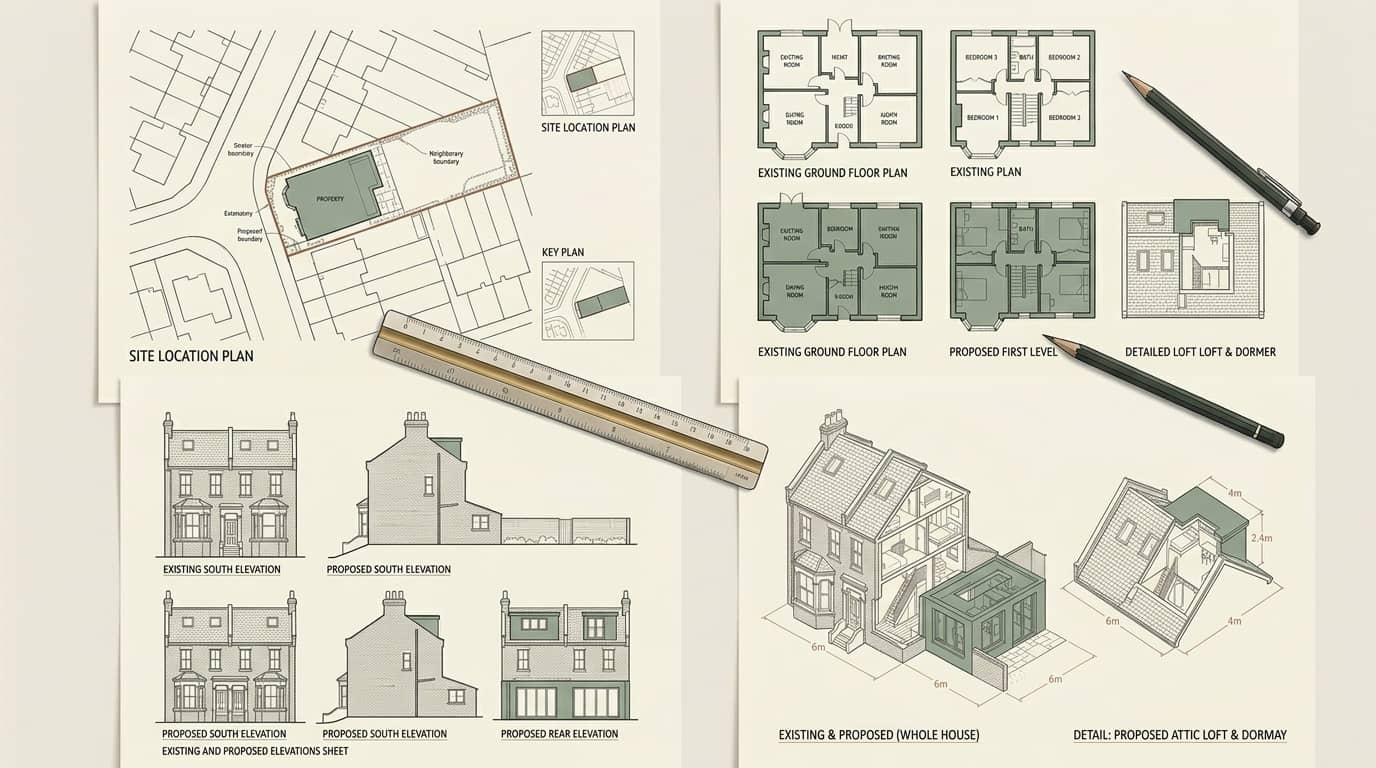
Scaled architectural drawings prepared for a lawful development certificate application under permitted development rights

How to use permitted development rights safely

The homeowners who get burned by PD are almost never cheats — they are people who measured from the wrong wall or missed an Article 4 direction. This sequence avoids both.

  1. 1

    Check your property's constraints

    Search your council's website for conservation areas, Article 4 directions, listing and conditions on historic permissions. This determines which classes you can rely on at all.

  2. 2

    Audit the planning history

    Find every extension, dormer and outbuilding added since the house was built — each one consumes allowance. Councils publish decision records online going back decades.

  3. 3

    Design to the class conditions

    Have the scheme drawn to scale against the exact wording of the relevant class: depths, heights, eaves, set-backs, coverage. Millimetre-accurate drawings are what make compliance provable.

  4. 4

    Certify, then build

    Submit a lawful development certificate application (or prior approval where the larger-extension route applies) and start on site once it is granted. Building regulations approval runs alongside as a separate consent.

Where permitted development actually applies across London

PD rights are national in theory but local in practice — Article 4 directions and conservation areas trim them street by street. A few neighbourhoods show the range.

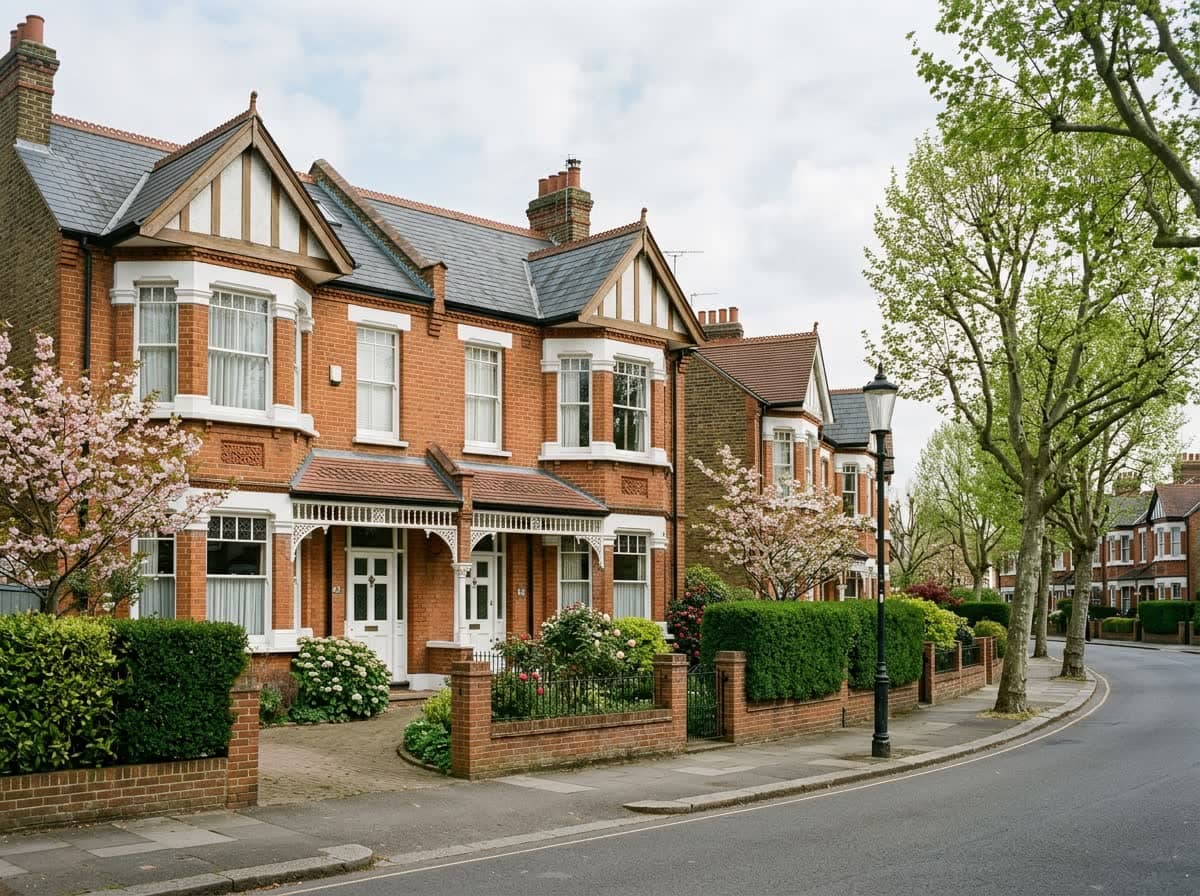
Edwardian red-brick semis in Ealing where permitted development rights typically remain intact

Permitted development in Ealing

Ealing's Edwardian red-brick semis are classic PD territory: many retain full Class A and Class B rights, so extensions and lofts can often be certified — though conservation areas around the borough's Victorian cores need checking first.

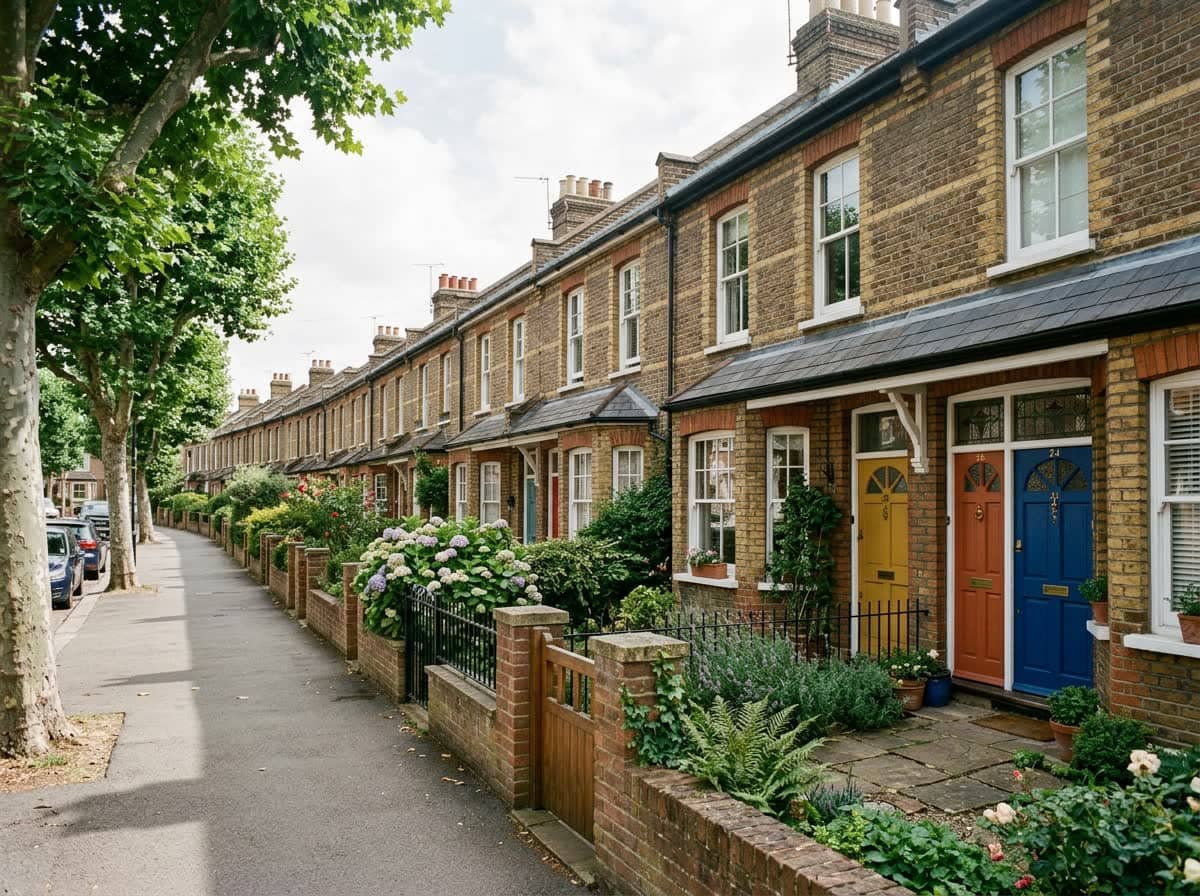
Warner-style Victorian terraces in Walthamstow with varying permitted development rights

Permitted development in Walthamstow

Walthamstow's Warner-style Victorian terraces generally keep useful PD allowances, but Waltham Forest's conservation designations around the Village mean rights vary noticeably from one street to the next.

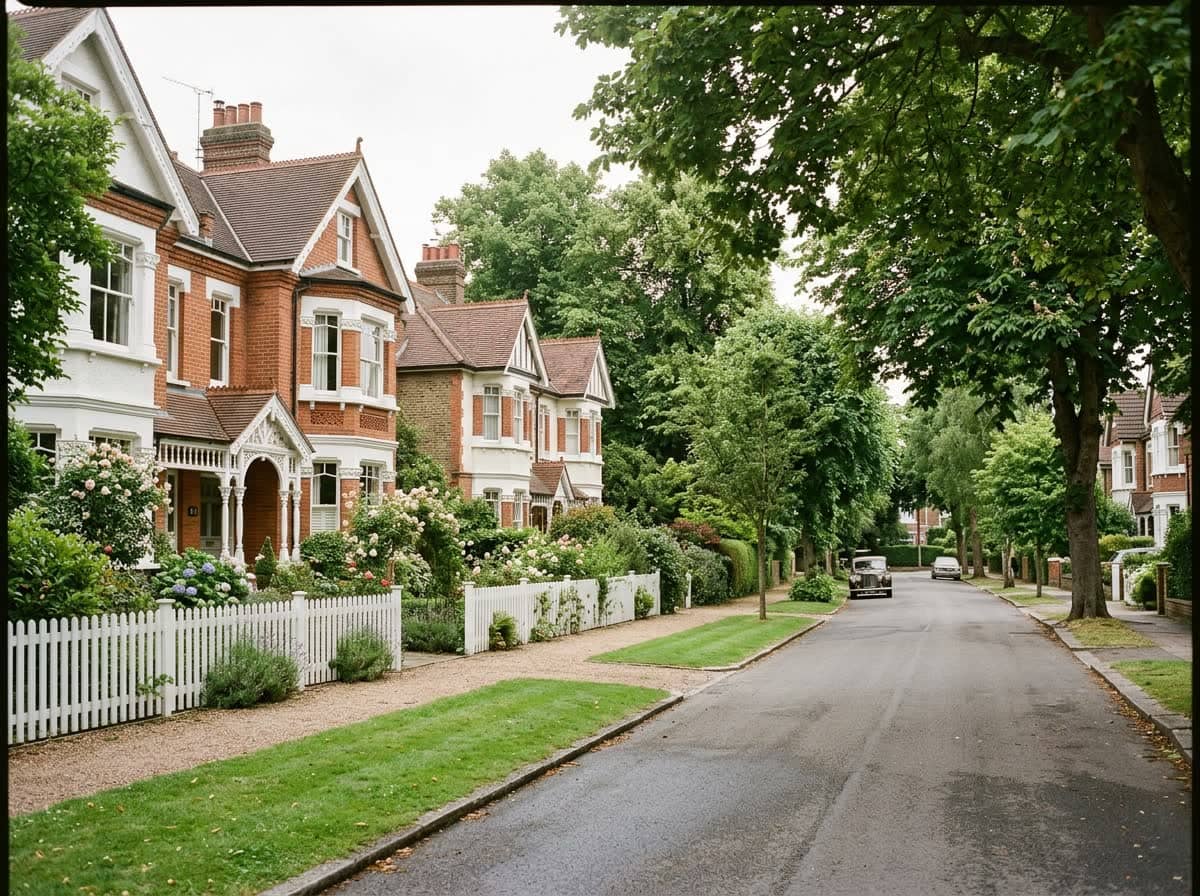
Victorian villas in Dulwich where the Estate scheme of management sits alongside permitted development

Permitted development in Dulwich

Dulwich adds a layer most of London lacks: the Dulwich Estate scheme of management often requires its own consent on top of any PD entitlement, so a lawful development certificate alone is rarely the whole story.

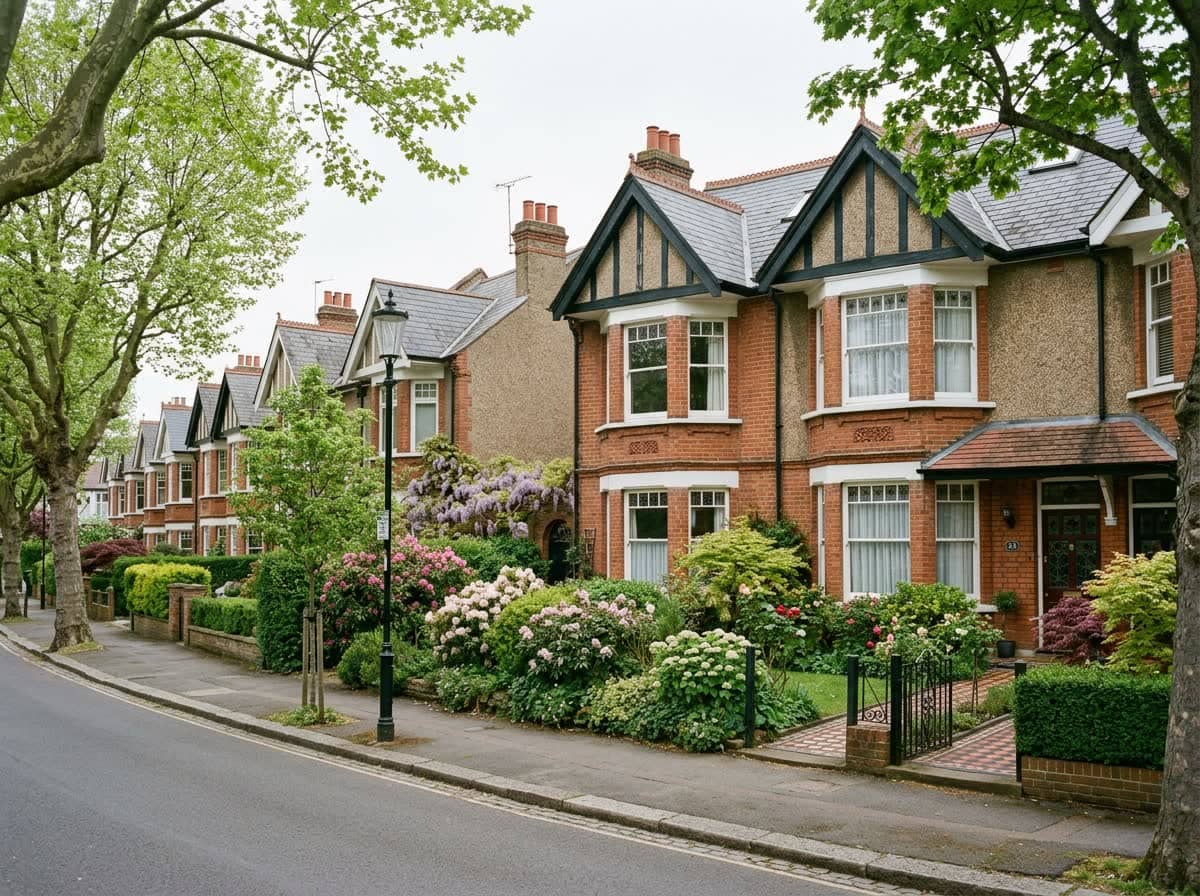
Edwardian semi-detached houses in Wimbledon suited to permitted development projects

Permitted development in Wimbledon

Merton leaves PD rights largely untouched across Wimbledon's Edwardian semis, making it one of the more straightforward areas to build under a lawful development certificate — measurement accuracy is what matters most.

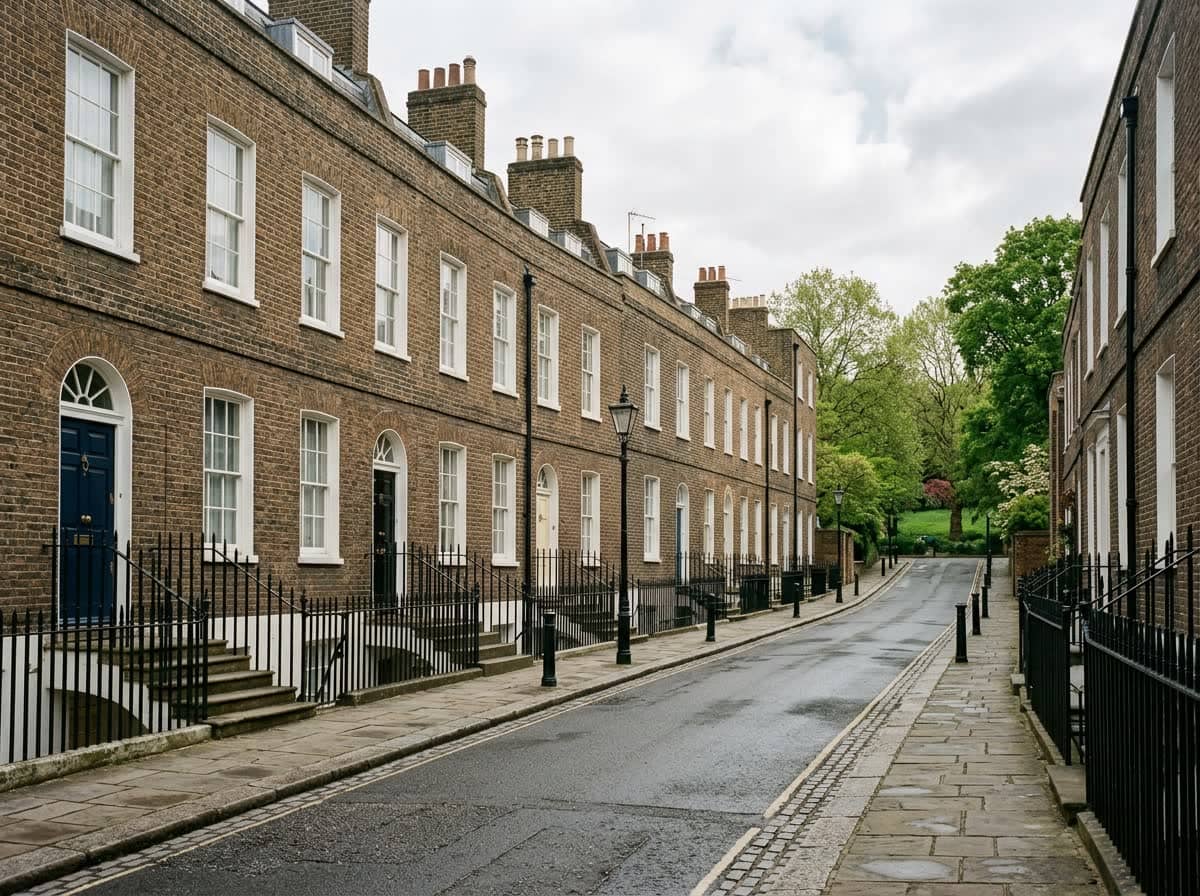
Georgian terraces in Greenwich where World Heritage designations limit permitted development

Permitted development in Greenwich

Greenwich's Georgian terraces and the World Heritage Site buffer mean PD rights are frequently curtailed near the historic core — always confirm designations before assuming the national allowances apply.

Ready for drawings your council will approve?

Tell us about your project and get a fixed, no-obligation quote back within one working day. If you don't need planning permission at all, we'll tell you that too — for free.

Get your free fixed quote

60 seconds now. A fixed, no-obligation quote back within one working day — and we'll tell you if you don't even need planning.

No obligation · No spam · Reply within 1 working day

Frequently asked questions

What is the difference between permitted development and planning permission?

Planning permission is granted case by case by your council after a public application. Permitted development is planning permission granted in advance by national legislation — the GPDO — for defined categories of work that meet strict written conditions. If your project complies with a class, no application is needed; if it doesn't, you apply normally.

Do flats have any permitted development rights?

No householder rights. Part 1 of the GPDO applies only to dwellinghouses, so flats and maisonettes cannot use Classes A to E — every extension, dormer or outbuilding serving a flat needs full planning permission. Some building-wide rights exist for freeholders under other parts, but individual leaseholders should assume none.

What is an Article 4 direction?

An Article 4 direction is a legal order made by a council removing specified permitted development rights in a defined area. It doesn't ban the work — it means you must apply for planning permission for something that would otherwise be automatic. They are common in conservation areas and across many London boroughs.

Do I need drawings for permitted development?

Legally you can build PD work without drawings, but in practice you need them: builders price from them, building control approves from them, and a lawful development certificate application requires scaled existing and proposed plans. Accurate drawings are also your evidence that every dimension complied if compliance is ever questioned.

How long does a lawful development certificate take?

Councils aim to determine lawful development certificate applications within 8 weeks of validation, the same statutory target as a householder planning application. The assessment is purely legal — does the proposal meet the GPDO conditions — so complete, well-measured drawings usually mean a decision without any back-and-forth.

Can permitted development rights change in future?

Yes. The GPDO has been amended repeatedly since 2015 — the larger-home-extension route, for example, began as a temporary scheme and was made permanent in 2019. Rights can expand or contract, and councils can add or lift Article 4 directions, so always check the current position before designing.

Planning approval report

Know your approval odds before you spend a penny on drawings

Answer five quick questions and get a free planning score for your exact address — instantly. Then, if you want the full picture, unlock the detailed analysis: your council's live approval rates, local precedents, constraints on your street and a step-by-step route to permission.

Keep reading

More plain-English planning guides from our team.