MCIAT chartered drawings · Fixed fees across all 33 London boroughs
Services
Areas
Guides
ProcessOur promiseFAQ
Free approval reportGet my free quote020 7864 7245
Aerial view of London boroughs where councils decide how long planning permission takes for householder applications
Planning Guide · Timescales

How long does planning permission take? The real timeline, stage by stage

The statutory answer is 8 weeks for a householder application — but the clock only starts when your application is validated, and extensions of time are common. This guide maps the whole journey, from submission to decision, including the 42-day prior approval route and what happens if you appeal.

★★★★★ Rated 4.9/5 by London homeowners96% approval rate · 2,400+ drawings delivered
Share

How long does planning permission take? The headline figures

Planning permission for a householder project takes a statutory target of 8 weeks from the date your application is validated; larger 'major' schemes take 13 weeks, and prior approval for larger home extensions takes 42 days. The full set of timescales you should plan around:

  • Householder and most minor applications: 8 weeks from validation to decision (the statutory determination period)
  • Major developments (10+ homes or large floorspace): 13 weeks
  • Applications requiring Environmental Impact Assessment: 16 weeks
  • Prior approval for larger home extensions (6m/8m rear extensions): 42 days, with deemed consent if the council misses the deadline
  • Lawful development certificates: 8 weeks
  • Validation before the clock starts: same-day to 2 weeks or more, depending on the council's backlog and whether your submission is complete
  • Extensions of time: commonly requested by councils near the deadline — you can refuse, but agreeing often gets a better-considered decision
  • Householder appeals: must be lodged within 12 weeks of the decision, and typically take around 4 to 6 months to be decided

When does the 8-week clock actually start?

The 8-week period begins when the council *validates* your application — confirms that every required document is present, correctly scaled and legible, and that the correct fee has been paid — not when you submit. This is the most misunderstood fact about planning timescales: until validation, your application legally does not exist, and days or weeks can evaporate here before the statutory clock ticks once.

Every council publishes a local validation checklist alongside the national requirements. For a householder application that typically means completed forms, the application fee, a site location plan with the site edged in red, a block plan, and existing and proposed floor plans and elevations at recognised scales. Some boroughs add extras — a design and access statement in conservation areas, daylight assessments for certain extensions, or biodiversity information.

Invalid applications are the single biggest self-inflicted delay in the system. A missing existing elevation or an unscaled plan means the council writes to you, you fix it, and the queue starts again. Professionally prepared drawing packs are validated first time precisely because they are assembled against the council's own checklist — it is the cheapest week you will ever save.

The 8-week householder timeline, week by week

Once validated, a typical householder application moves through four overlapping phases. Here is how the 8 weeks are usually spent.

  1. 1

    Weeks 1–2: registration and consultation begins

    The council registers the application, publishes it online, and notifies neighbours by letter or site notice. Statutory consultees — highways, conservation officers, sometimes Thames Water or Historic England — are invited to comment.

  2. 2

    Weeks 2–5: the 21-day consultation window

    Neighbours and consultees have at least 21 days to make representations. Objections do not decide the application — planning is not a vote — but material points raised here shape the case officer's questions.

  3. 3

    Weeks 4–7: case officer assessment

    The officer visits the site, tests the scheme against the local plan and national policy, and may negotiate amendments — a reduced projection, an obscure-glazed window. Responding fast to these requests protects your deadline.

  4. 4

    Weeks 7–8: decision

    Almost all householder applications are decided by officers under delegated powers rather than by planning committee. The decision notice grants permission (usually with conditions), or refuses with written reasons.

How long does prior approval take for larger home extensions?

Prior approval takes a maximum of 42 days: the council must respond within 42 days of receiving a valid notification, and the scope of its decision is limited to the effect on neighbouring amenity. Single-storey rear extensions of up to 6 metres on attached houses, or 8 metres on detached, can bypass the full planning process using this regime — a neighbour-consultation scheme that is now a permanent part of the GPDO.

The timeline inside those 42 days is simple: the council notifies your adjoining neighbours, who have 21 days to object. No objections, and the council confirms you may proceed. Objections trigger an assessment, but only of amenity impact — not design, not materials, not garden size. And uniquely in the planning system, silence works in your favour: if the council fails to notify you of its decision within 42 days, approval is deemed granted and you can lawfully build.

For homeowners whose project fits the dimensions, this is usually the fastest route to a deep rear extension — roughly half the elapsed time of a full application, with a narrower and more predictable test. The trade-off is rigidity: the extension must comply exactly with every other Class A limit on height, eaves and materials, because prior approval cannot flex them.
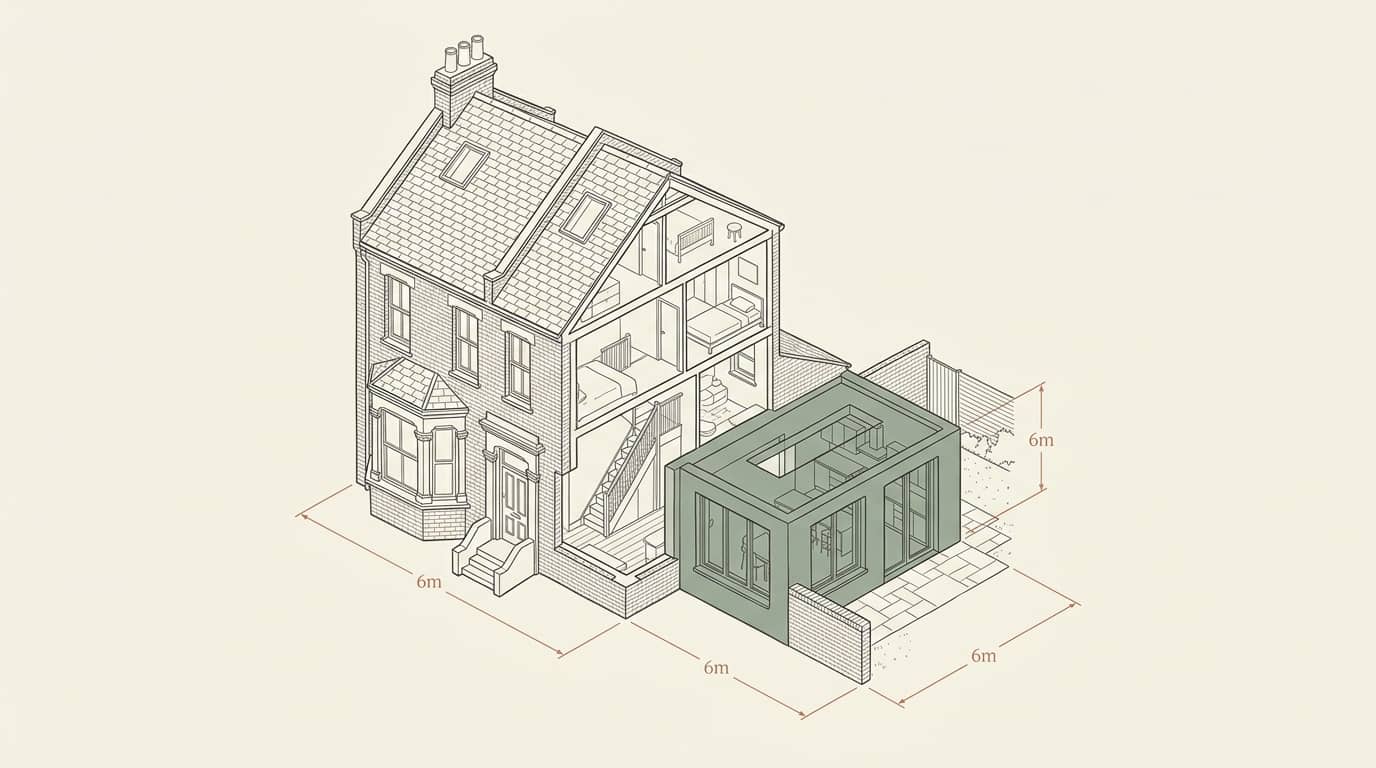
Isometric diagram of a larger home extension decided through the 42-day prior approval route instead of full planning permission

How long does planning permission take when things go wrong?

Longer — but usually by months, not years, and most applications are still decided within or close to target. When they are not, these are the routes and their realistic timescales.

Amendments during the application

If the officer requests changes, minor amendments are usually absorbed within the existing period or a short extension. Responding within days rather than weeks keeps the decision on schedule.

Refusal and free resubmission

A refusal is not the end: you can submit one revised application without a further application fee within 12 months of the decision. A redesign addressing the stated reasons is typically decided in a fresh 8-week period.

Appeal for non-determination

If the council simply never decides, you can appeal to the Planning Inspectorate once the statutory period expires. It transfers the decision to an inspector but restarts the waiting — usually months, not weeks.

Householder appeal after refusal

Lodged within 12 weeks of the decision notice and dealt with under the fast-track written procedure, householder appeals typically take around 4 to 6 months from submission to an inspector's decision.

How to make your planning permission take 8 weeks, not 18

You cannot control the council's workload, but you control almost everything else. Submit a complete, checklist-compliant package so validation happens in days. Design to your borough's written policies rather than against them, so the officer's report writes itself. Deal with the obvious objection points — overlooking windows, boundary heights, daylight to next door — on the drawings before a neighbour raises them. And when the case officer asks for a tweak, turn it around in forty-eight hours.

This is where professional preparation pays for itself in weeks rather than promises. Our packs are assembled against each council's own validation list, our designs are tested against local approval patterns before submission, and we handle case-officer negotiations for you — with free revisions until you have a decision. The council's clock is fixed by statute; everything either side of it can be compressed.

How decision times really vary by neighbourhood

The statutory eight weeks is the same everywhere; the practical timetable is not. Caseloads, conservation referrals and consultation patterns differ noticeably between boroughs.

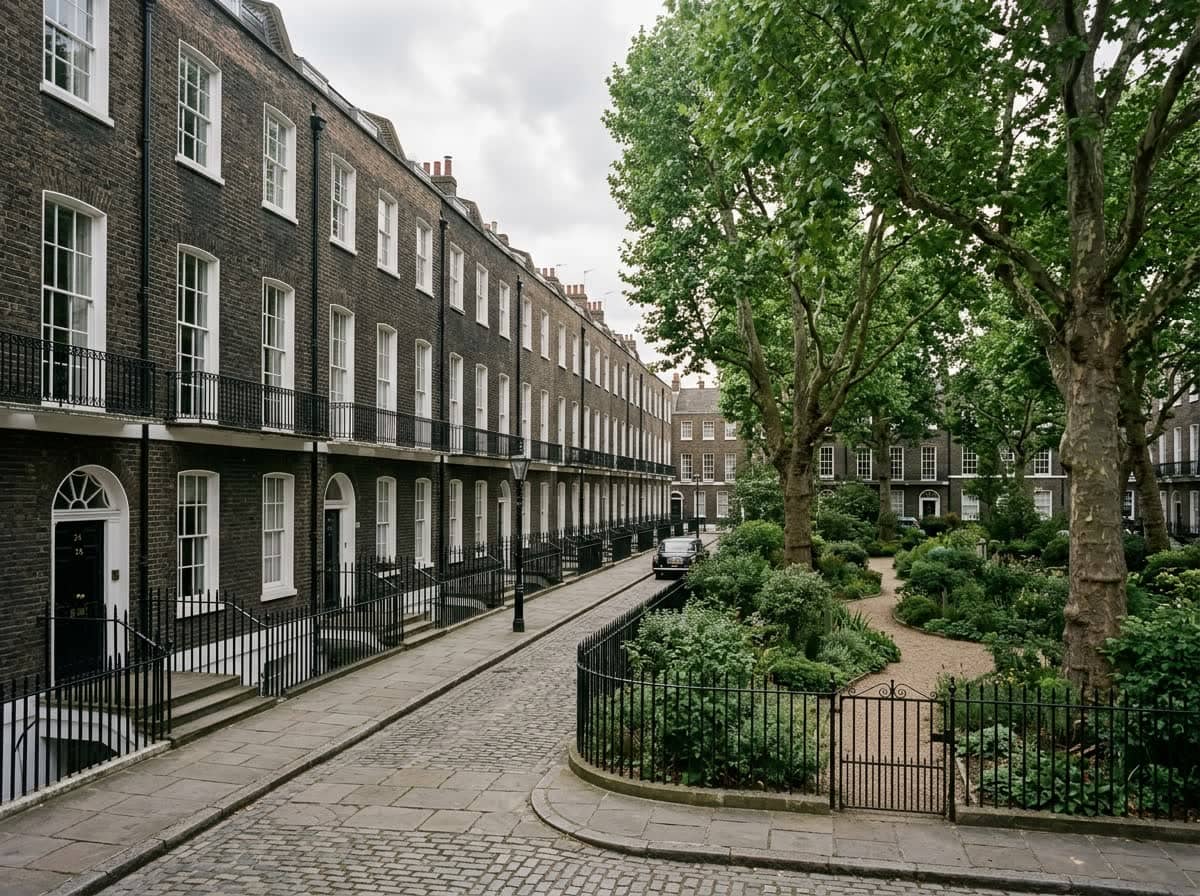
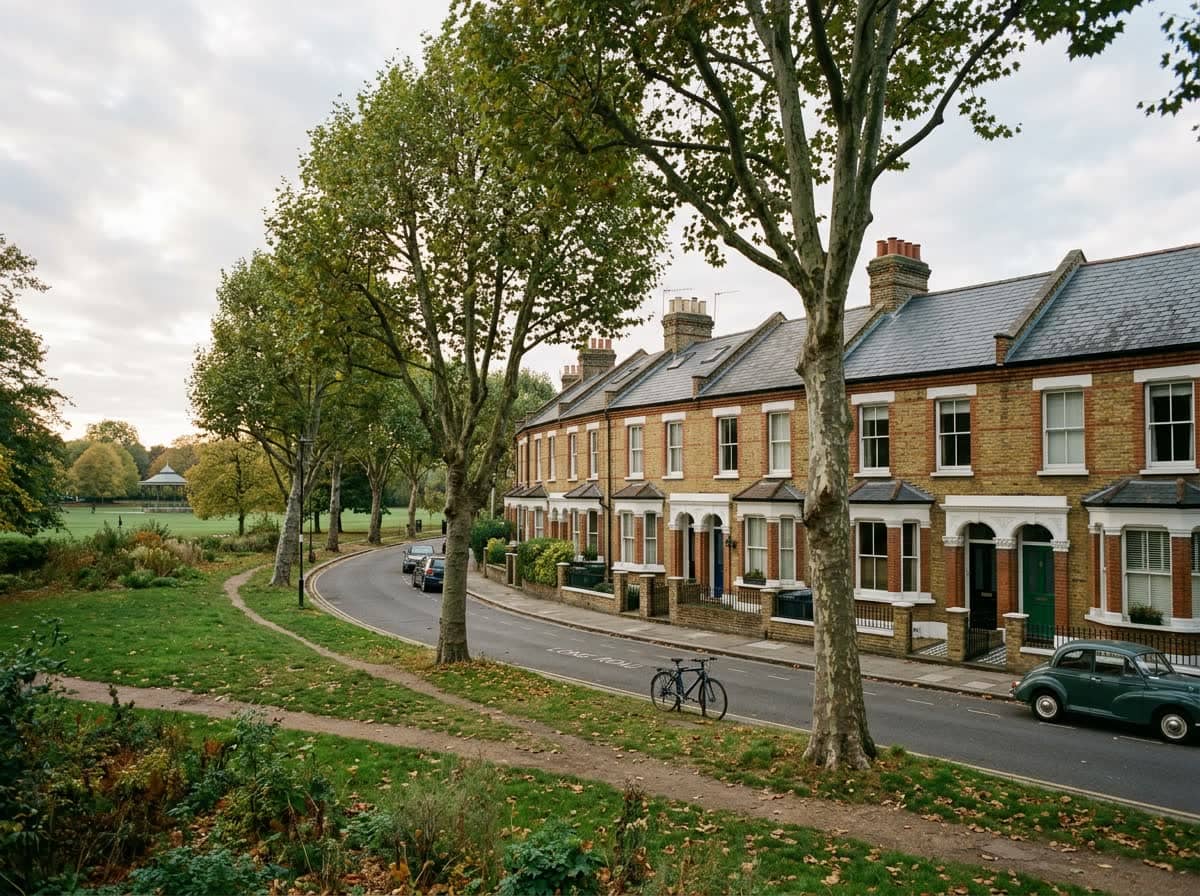
Georgian terraces in Islington where conservation consultations affect planning decision times

Planning timescales in Islington

Islington's dense conservation coverage over its Georgian terraces means many applications pick up heritage consultations, which often stretch decisions beyond the headline eight weeks — complete, policy-aware packages make the biggest difference here.

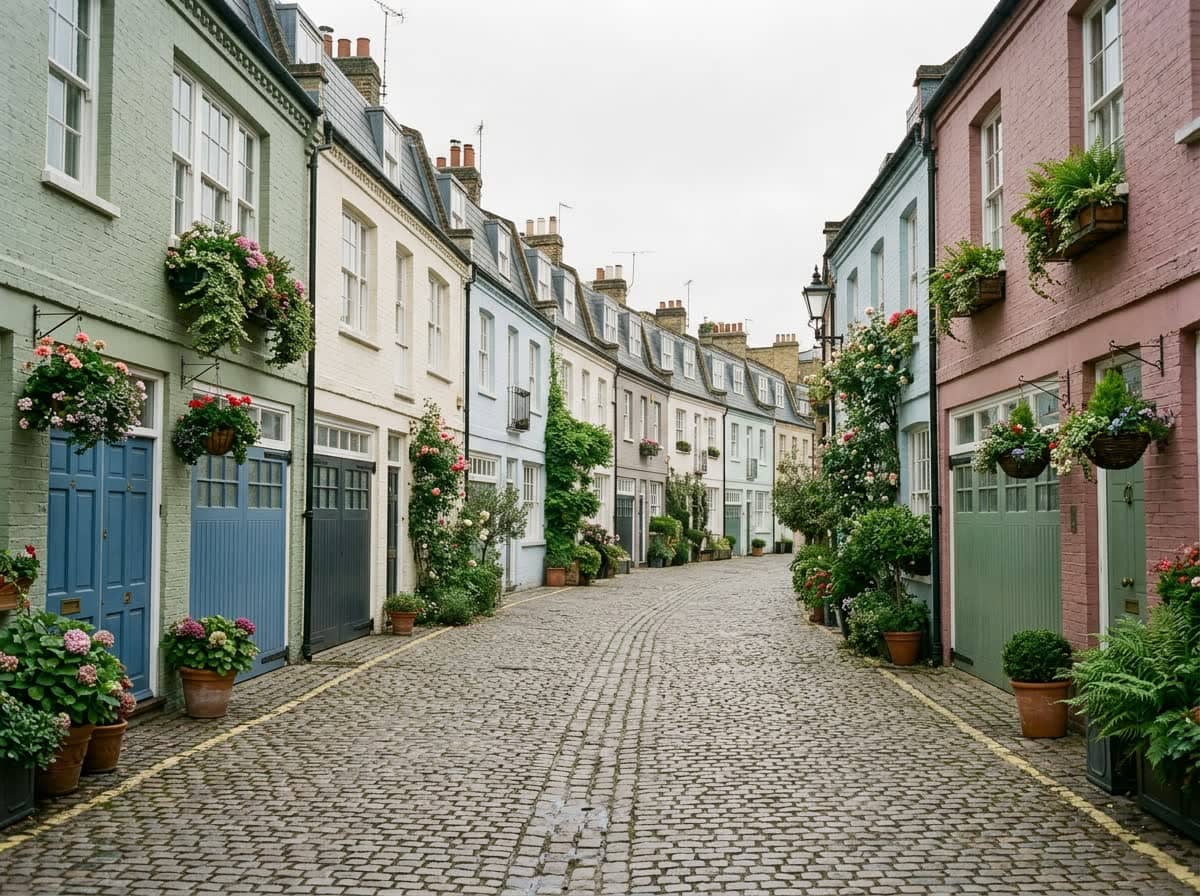
Camden mews houses in conservation areas where planning applications take extra review time

Planning timescales in Camden

Camden's mews and Georgian streets fall largely within conservation areas, so applications typically route past conservation officers — building that extra review into your programme avoids unpleasant surprises.

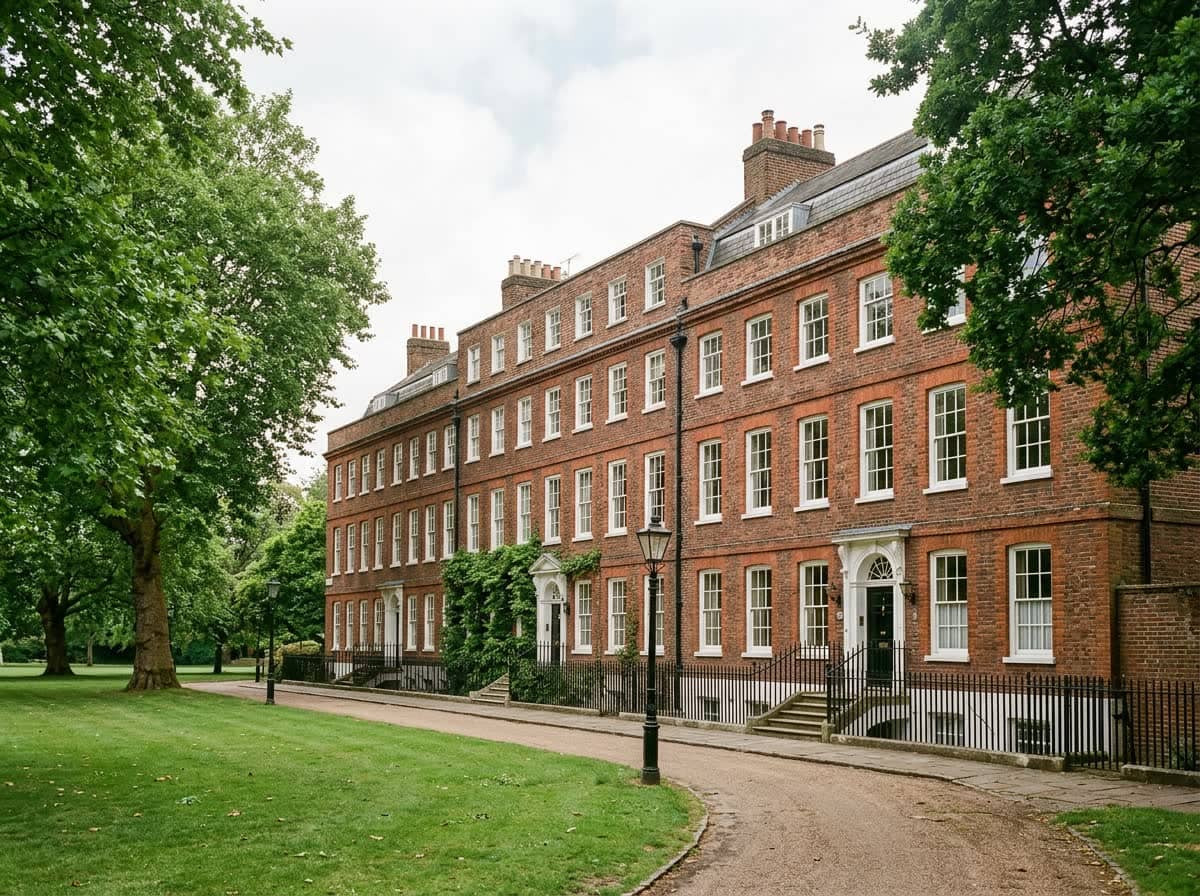
Georgian houses in Richmond where conservation scrutiny lengthens planning timescales

Planning timescales in Richmond

Richmond's Georgian stock and famously careful conservation approach mean officers often request design amendments mid-application — responding within days rather than weeks keeps the clock from drifting.

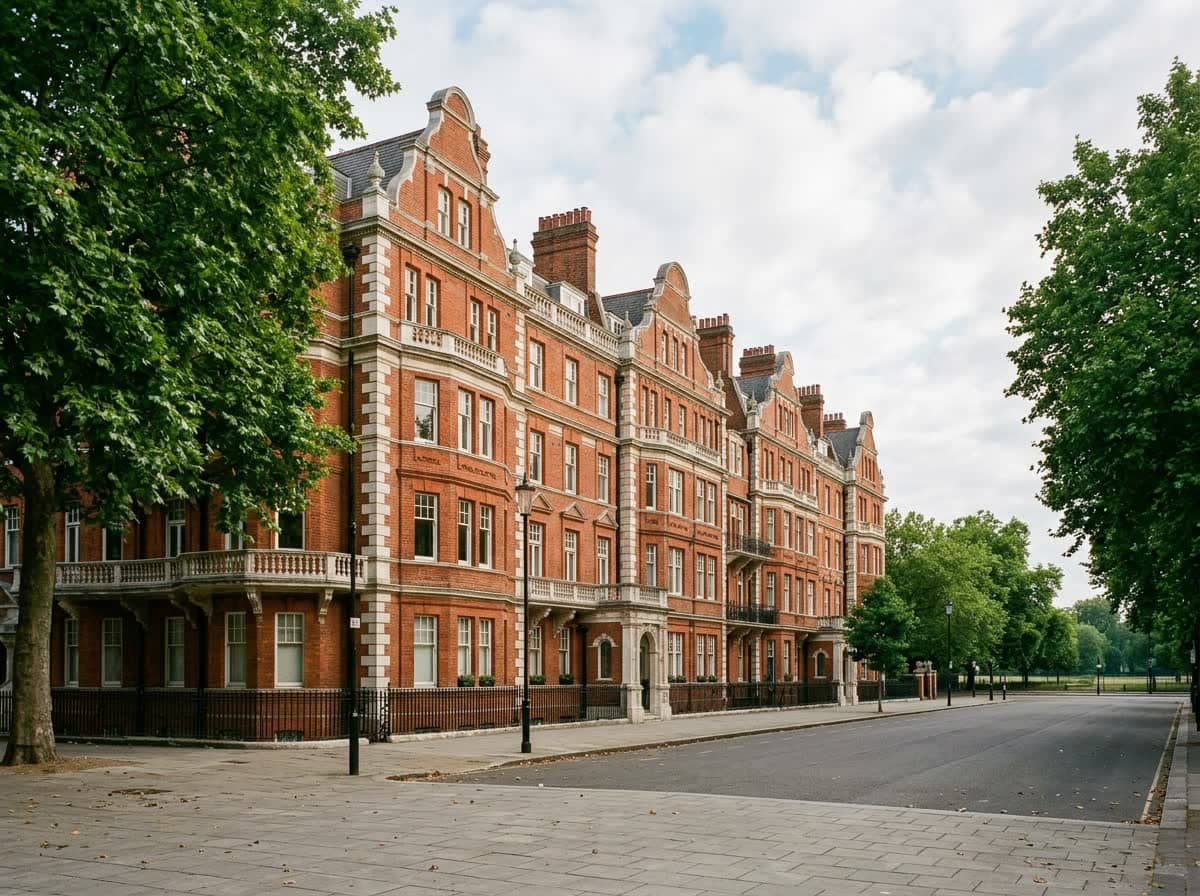
Victorian terraces in Battersea where well-prepared planning applications decide near the statutory deadline

Planning timescales in Battersea

Battersea's Victorian terraces and mansion blocks generate steady householder caseloads for Wandsworth; straightforward, validation-ready schemes here frequently land close to the statutory timetable.

Victorian terraced houses in Clapham where neighbour consultation shapes planning timescales

Planning timescales in Clapham

Clapham's Victorian terraces sit under Lambeth, where neighbour consultation on party-wall-tight streets is often the pacing item — pre-empting overlooking and daylight objections on the drawings keeps things moving.

Ready for drawings your council will approve?

Tell us about your project and get a fixed, no-obligation quote back within one working day. If you don't need planning permission at all, we'll tell you that too — for free.

Get your free fixed quote

60 seconds now. A fixed, no-obligation quote back within one working day — and we'll tell you if you don't even need planning.

No obligation · No spam · Reply within 1 working day

Frequently asked questions

How long does planning permission take for an extension?

A householder planning application for an extension has a statutory target of 8 weeks from validation to decision. Add one to two weeks for validation and you should plan for roughly two to three months end to end — or around six weeks total if your extension qualifies for the 42-day prior approval route.

When does the 8-week clock actually start?

From the date the council validates your application — confirms all required drawings, forms and the fee are present and correct — not the date you submit. Incomplete submissions are returned and the clock never starts, which is why validation-ready drawing packs are the biggest single time-saver available.

Can a council take longer than 8 weeks?

Yes, and many do. The 8 weeks is a statutory target, not a hard limit: councils routinely ask applicants to agree an extension of time to a named date. Your alternatives — appealing for non-determination or resubmitting — are both slower, so agreeing while actively chasing the case officer is usually the pragmatic choice.

How long does prior approval take for a 6m rear extension?

42 days. The council notifies your neighbours, who have 21 days to comment, and must issue its decision within 42 days of receiving a valid notification. If it misses that deadline, approval is deemed granted automatically — a protection that does not exist anywhere in the full planning application process.

How long do I have to appeal a refused householder application?

12 weeks from the date on the decision notice — a shorter deadline than the 6 months allowed for most other planning appeals, so act promptly. Householder appeals use a fast-track written representations procedure and are typically decided by a planning inspector within about 4 to 6 months.

How long does planning permission last once granted?

Standard planning permissions last three years: you must make a material start on site within that period or the permission lapses. A lawful start — such as digging compliant foundations — preserves the permission indefinitely, but conditions attached to the consent must still be discharged in the required sequence.

Planning approval report

Know your approval odds before you spend a penny on drawings

Answer five quick questions and get a free planning score for your exact address — instantly. Then, if you want the full picture, unlock the detailed analysis: your council's live approval rates, local precedents, constraints on your street and a step-by-step route to permission.

Keep reading

More plain-English planning guides from our team.