
The permission is granted, but the design has moved: a window shifts, a roof lowers, a door changes side. We draw the revision, write the covering statement, pick the right route and submit it.
Photo: Bill Boaden, BY-SA 2.0
Amendment to an approved scheme, for drawings we prepared
Fixed in writing after a free assessment of your property. Council planning fees are separate.
Every price is the total you pay. Checked 24 October 2026.
Every approved scheme is tied to its drawings. If the builder finds a drain in the wrong place, a supplier changes a window size, or you simply see a better layout on site, the work no longer matches the permission. Building it anyway is a breach, even if it looks better.
The law offers two routes. A section 96A application is for changes that are non-material, and there is no definition of that word. The council decides whether a change is small enough, so the same change can be accepted in one borough and refused in the next. A section 73 application is for something larger, where the change needs a proper assessment but the permission still stands.
Our job is to judge which route fits before you pay the council. A moved rooflight is usually non-material. A taller ridge or a new window facing a neighbour often is not. We describe the change plainly, draw it against the approved plan, and say what the council is likely to ask.
If a change is large enough to alter the nature of the scheme, a new application is the honest answer, and we say so.
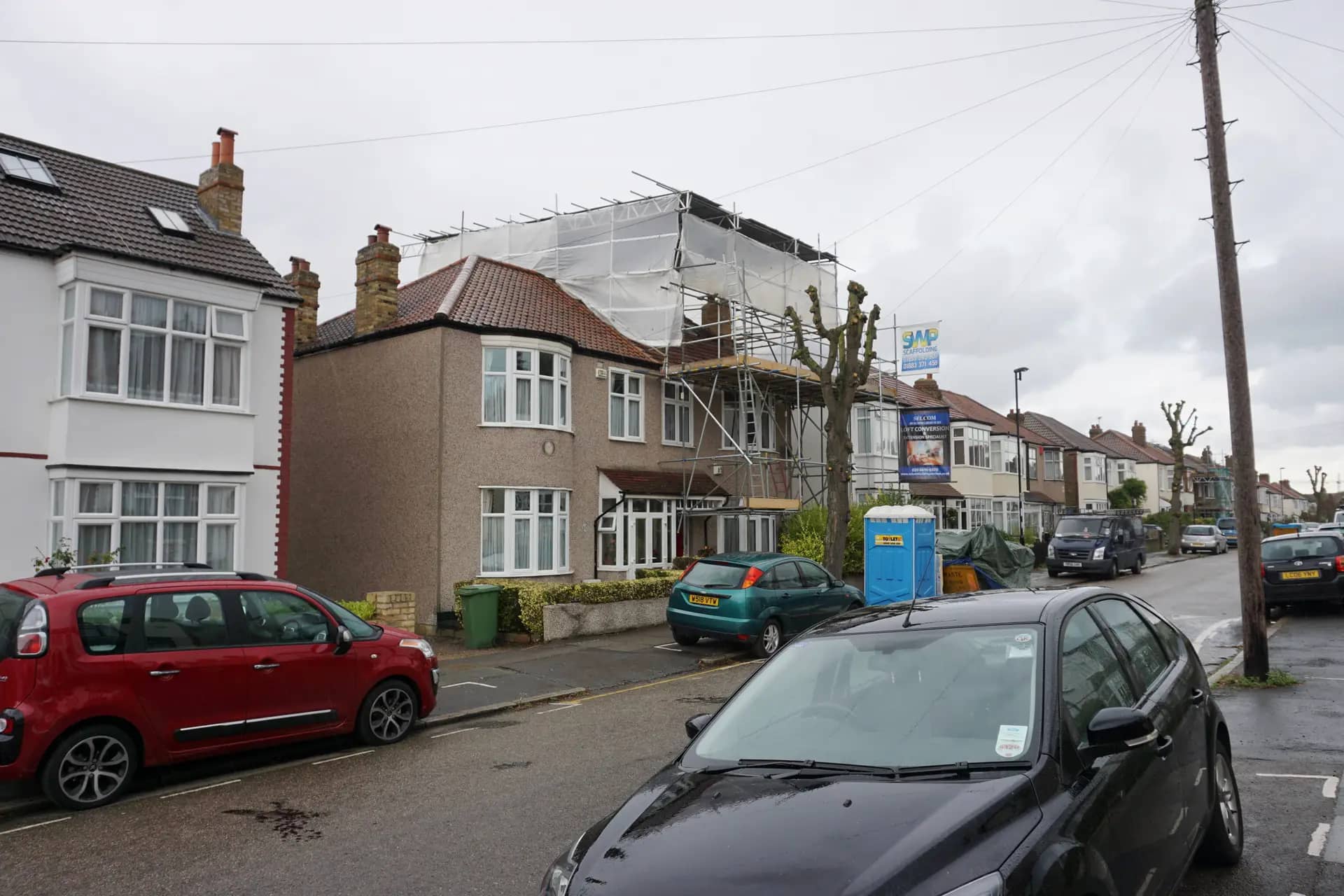
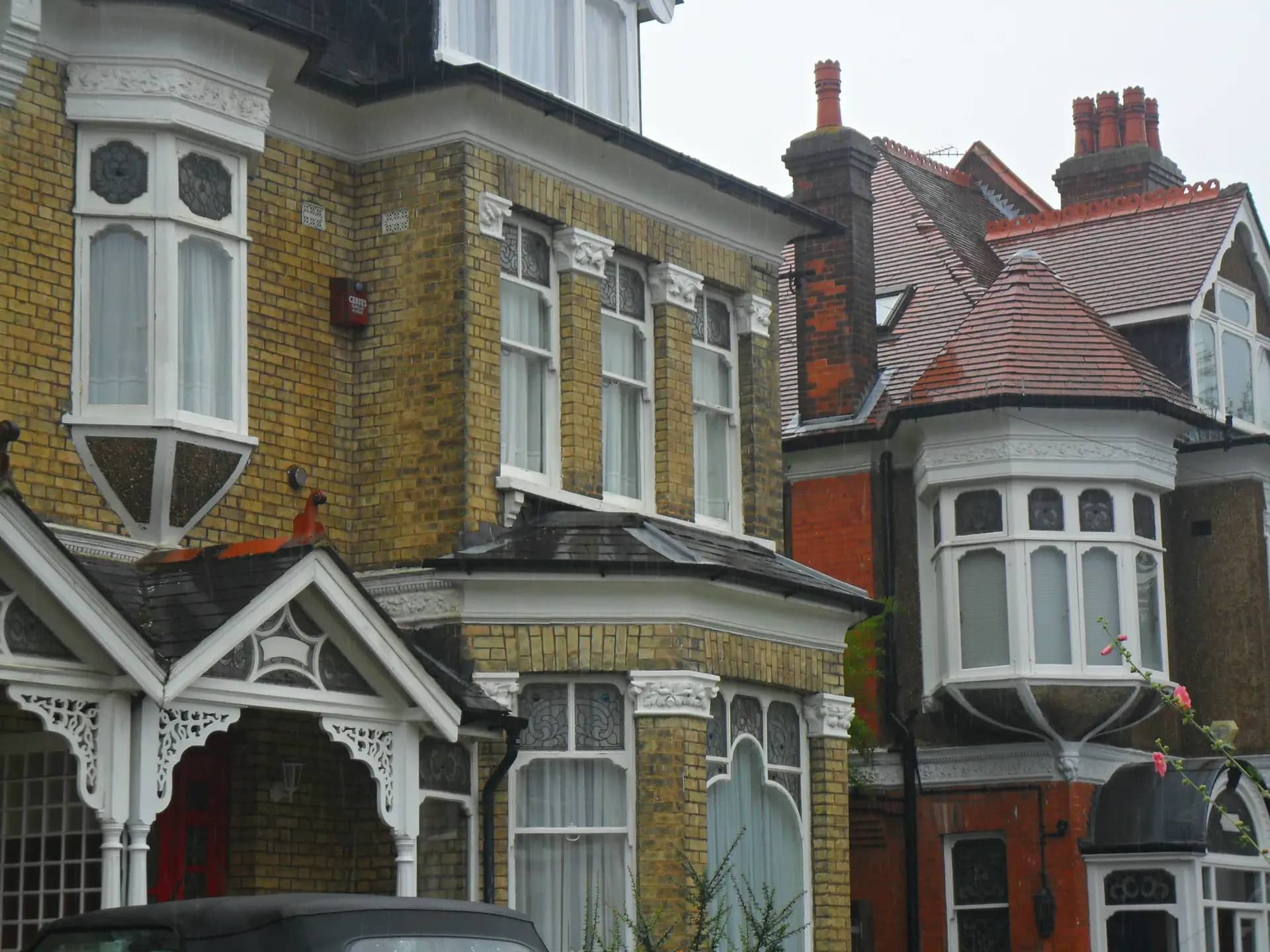
Four steps, with the decision usually the shortest part.
The council has the last word, but these are the patterns we see on London householder schemes.
| Change | Usual route | Why |
|---|---|---|
| Window moved or resized, same elevation | Section 96A | Effect on neighbours unchanged |
| Rooflight added to a rear slope | Section 96A | Small, away from the street |
| Ridge or parapet height raised | Section 73 or new application | Visible, affects massing |
| Depth of extension increased | New application | Changes the scheme's impact |
| Change of facing brick | Section 96A, or a condition request | Materials are often controlled by condition |
Each figure links to the guidance or legislation it comes from.
Planning guidance states that there is no statutory definition of 'non-material' for a section 96A amendment (paragraph 002).
Source: GOV.UK, Flexible options for planning permissions, paragraph 002The determination period for a non-material amendment is 28 days, or a longer period agreed in writing (paragraph 007).
Source: GOV.UK, Flexible options for planning permissions, paragraph 007There is no statutory limit on the degree of change to conditions that a section 73 application may seek (paragraph 013).
Source: GOV.UK, Flexible options for planning permissions, paragraph 013Section 73 applications carry different fees for householders, other non-major development and major development (paragraph 027).
Source: GOV.UK, Fees for planning applications, paragraph 027A council has 8 weeks to decide most applications, counted from the day after a valid application is received, unless a longer period is agreed in writing.
Source: legislation.gov.uk, Development Management Procedure Order 2015, article 34London councils decided 24,758 householder applications in the year to March 2026.
Source: GOV.UK, Planning applications statistics (PS2)Tell us about your project and get a fixed, no-obligation quote back within one working day. If you don't need planning permission at all, we'll tell you that too — for free.
Yes. The fixed £305 is for drawings we prepared. For work drawn by another practice, we first check the approved drawings and may need a short survey, which we quote separately before you commit.
It will refuse the section 96A application, usually with a note on the reason. You can then apply under section 73 with the same drawings. We prepare for that possibility from the start so the second application costs little extra work.
A non-material amendment leaves the permission as it is. A section 73 application, if granted, creates a new permission with its own conditions, and the time limit for starting work is normally that of the original. Check the new notice.
For a non-material amendment the council decides whether to consult. For section 73 it follows the usual consultation. Either way, neighbours may see the change on the council's register.
Yes. Fees differ by route and change from time to time, and the figures sit on the council's and GOV.UK's fee pages. We tell you the amount before we submit. Our own fee is separate.
No. Wait for the written decision. Building to a change the council has not agreed is a breach of the permission, and a refusal after the event leaves you with a retrospective application to make.
Answer five quick questions and get a free planning score for your exact address — instantly. Then, if you want the full picture, unlock the detailed analysis: your council's live approval rates, local precedents, constraints on your street and a step-by-step route to permission.