
Your planning application comes with a CIL form, and a missed exemption claim can turn a small extension into a four-figure bill. We complete the forms and file the claim at the right time.
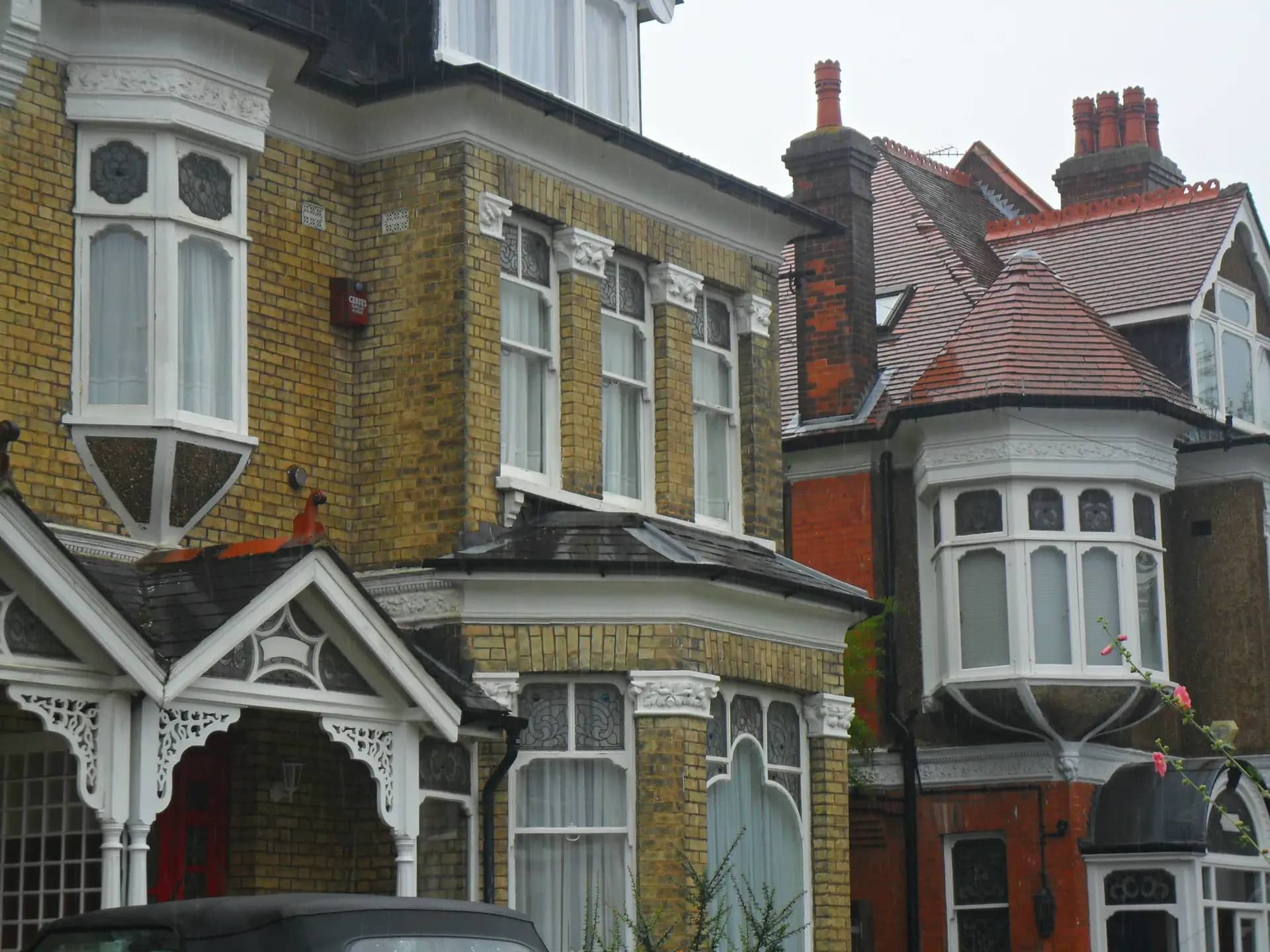
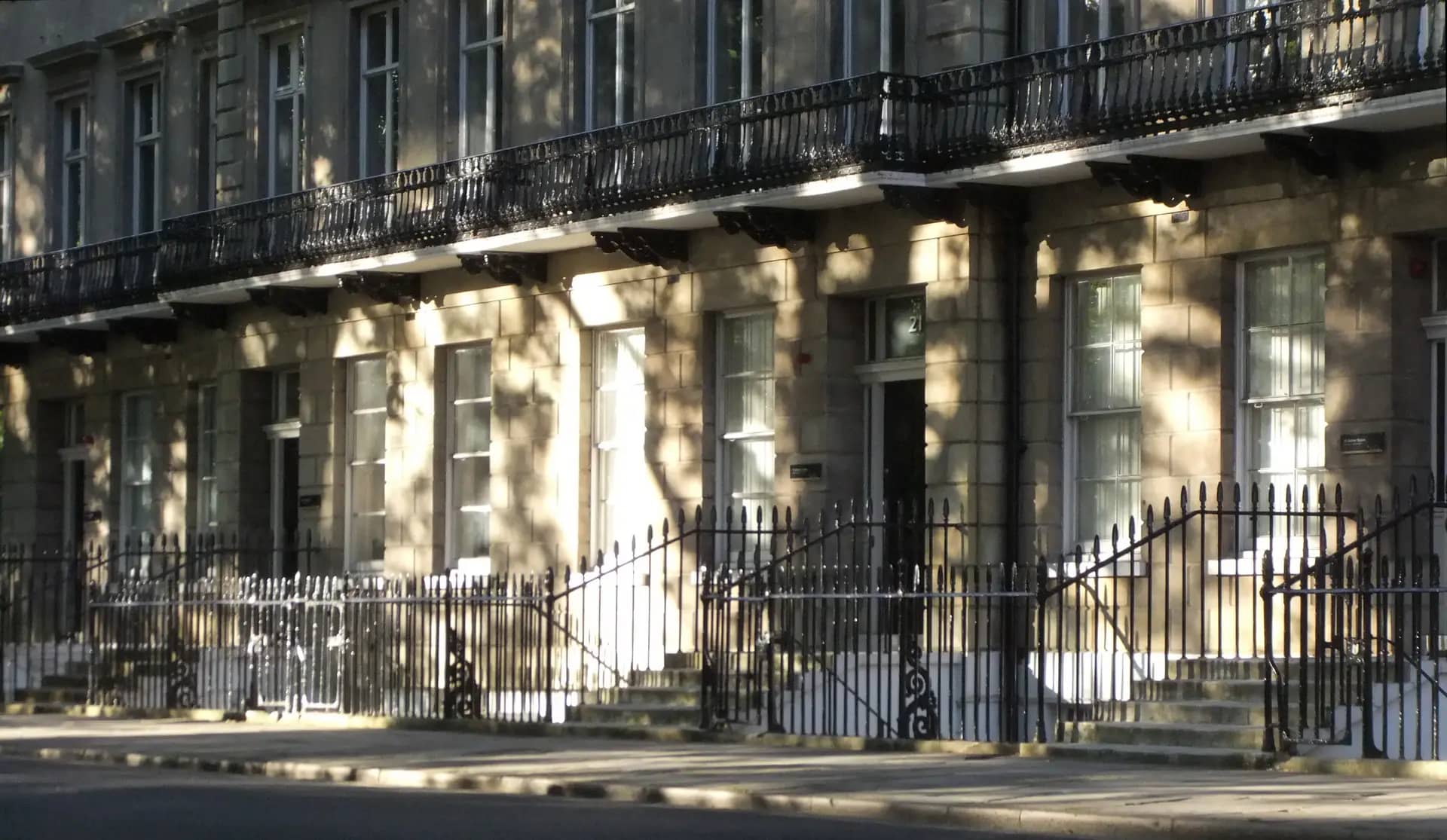
Photo: A P Monblat, BY-SA 3.0
Community Infrastructure Levy forms, included free in every planning package
Fixed in writing after a free assessment of your property. Council planning fees are separate.
Every price is the total you pay. Checked 24 October 2026.
The exemption for a residential extension is easy to earn and easy to lose. The rule says that an extension to the main dwelling, which does not create a new dwelling and is under 100 square metres, is not charged. But the council must receive your claim on the right form before work begins. A claim that arrives after the builder has started can lapse, and the charge then applies.
In London the charge is no small matter. Under section 206 of the Planning Act 2008 the local planning authority, which in London is the borough, and the Mayor of London are each charging authorities, so a chargeable project in London can face more than one levy. Rates are set in charging schedules, so we do not quote a figure: your council's schedule has it, and we check it when we prepare the forms.
We fill in the additional information form that goes with the planning application, the assumption of liability form where it is relevant, and the residential extension exemption claim. We then tell you the date by which the council must have received the claim, and a note to give your builder: do not start until the council confirms.
If your project does fall outside the exemption, such as a new dwelling or a larger scheme, we say what the liability is likely to be, and which other reliefs, such as self-build, may apply.
Four steps, tied to dates the council cares about.
Whether CIL applies depends on what you build, and the table shows the common London cases.
| Project | CIL usually applies? | What to do |
|---|---|---|
| Extension to your own home, under 100 m² | No, if claimed | File the extension exemption claim first |
| Extension over 100 m² | Possibly | Check the charging schedule |
| New dwelling, any size | Yes, unless relief applies | Consider self-build relief |
| New outbuilding, under 100 m² and no new dwelling | No, if claimed | File the claim; regulation 42 sets the 100 m² limit |
| Conversion inside an in-use building, no enlargement | No new build floorspace to charge | We check the building's use history (Schedule 1) |
Source: GOV.UK Community Infrastructure Levy guidance. Your council's charging schedule applies.
Each figure links to the law or government source it comes from.
Minor development with a gross internal area of less than 100 square metres is generally exempt from the Community Infrastructure Levy.
Source: GOV.UK, Community Infrastructure Levy guidance, paragraph 048Residential extensions under 100 square metres that are not part of a development creating a new dwelling are exempt under the minor development rule.
Source: GOV.UK, Community Infrastructure Levy guidance, paragraph 049The applicant must submit a claim for the residential extension exemption to the collecting authority before development commences, using Form 9.
Source: GOV.UK, Community Infrastructure Levy guidance, paragraph 049Regulation 42 of the CIL Regulations 2010 removes liability where the new build is less than 100 square metres gross internal area, except where the development comprises one or more dwellings.
Source: legislation.gov.uk, Community Infrastructure Levy Regulations 2010, regulation 42Under regulation 42B(2)(a), a residential extension claim must be received before the chargeable development starts, and a claim lapses if development commences before the council decides it.
Source: legislation.gov.uk, CIL Regulations 2010, regulation 42BUnder section 206 of the Planning Act 2008 the local planning authority and, for Greater London, the Mayor of London are each charging authorities for CIL.
Source: legislation.gov.uk, Planning Act 2008, section 206CIL Regulations 2010, Schedule 1 defines new build as new buildings and enlargements to existing buildings, and counts the retained floorspace of an in-use building (a part lawfully used for six continuous months in the previous three years) in the deduction.
Source: legislation.gov.uk, CIL Regulations 2010, Schedule 1A council has 8 weeks to decide most planning applications from the day after a valid application is received.
Source: legislation.gov.uk, Development Management Procedure Order 2015, article 34Tell us about your project and get a fixed, no-obligation quote back within one working day. If you don't need planning permission at all, we'll tell you that too — for free.
Yes. If we prepare your planning application, the CIL forms are included at no extra cost. On its own, for an application someone else prepared, the fee is £49.
The claim can lapse and the exemption may be lost, so the levy could be charged. Tell your builder not to start until the council has confirmed the exemption in writing, and tell us at once if work has begun.
Rules differ for flats and leasehold properties, and the claimant must be an owner of a material interest in the main dwelling. Send us the details and we say whether you qualify.
The CIL Regulations 2010 charge new build, which means new buildings and enlargements to existing buildings. Schedule 1 deducts the floorspace of retained parts of an in-use building (one with a part lawfully used for six continuous months in the last three years), so a conversion wholly inside the existing walls adds no new build floorspace. A roof extension that adds floorspace is an enlargement, so it counts as new build. It is exempt only if it is under 100 square metres in total and creates no new dwelling (regulation 42). We check your building's use history and the area before saying which applies.
It depends on your borough and the Mayor's rate, and both change from time to time. We check your council's charging schedule and say how it applies to your project, instead of quoting a rate that may be out of date.
We explain why and what your liability is likely to be, and whether another relief fits. The collecting authority issues the liability notice, and the charge is paid to the council.
Answer five quick questions and get a free planning score for your exact address — instantly. Then, if you want the full picture, unlock the detailed analysis: your council's live approval rates, local precedents, constraints on your street and a step-by-step route to permission.