MCIAT chartered drawings · Fixed fees across all 33 London boroughs
Services
Areas
Guides
PricingProcessOur promiseFAQ
Free approval reportGet my free quote020 7864 7245
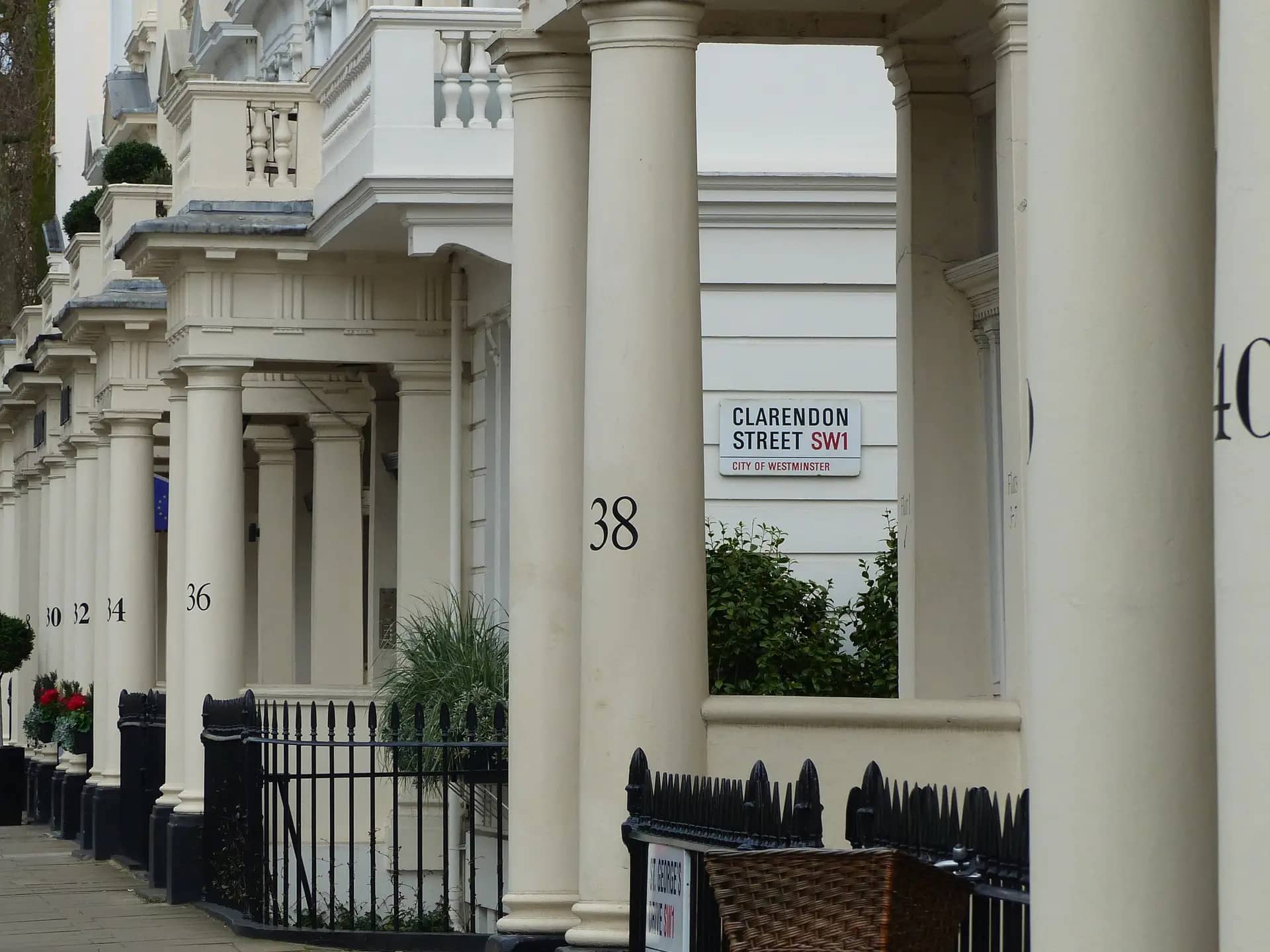
Row of Victorian houses with tiled porches in London, where permissions often carry conditions on materials and details
Pre-commencement conditions · materials, drainage, trees, landscaping

Discharge of planning conditions for London homes

Your permission is granted, but its decision notice lists conditions that must be cleared before work begins. We read each one, prepare the drawings and details it asks for, and submit the request to your council.

Fixed fees, published on our pricing pageAll 33 London boroughs

Tell us about your project

Share your address, best contact details, and the current stage you are at. If you already have sketches or existing plans, you can mention that in your message so we can respond with clearer advice and a more accurate quote.

No obligation · No spam · Reply within 1 working day

Photo: Ruth Sharville, BY-SA 2.0

Share
Fee

From £365

Discharge of planning conditions, per pack of up to 3 conditions

Fixed in writing after a free assessment of your property. Council planning fees are separate.

What's included

  • Drawings and details the conditions ask for
  • Council submission

Every price is the total you pay. Checked 24 October 2026.

Why a granted permission can still stop you starting

A decision notice is two documents in one: the permission, and a list of conditions. Some conditions apply forever, such as keeping a side window obscure-glazed. Others are pre-commencement conditions, which say that no work may begin until the council has approved a specific item. Builders who start anyway put the whole permission at risk.

In London homes the usual items are brick and roof tile samples, a construction method statement for tight terraced streets, a drainage or soakaway plan, tree protection drawings and a landscaping scheme. Each needs its own drawing or document, and each has to match what the condition wording asks for, not what you assume it means.

We start by reading the condition number by number. Some turn out to be satisfied by details already on the approved drawings. Some can be dealt with on the same form as a later condition. A few, where the wording is badly drafted, are worth discussing with the case officer before we submit anything.

If a condition looks unreasonable, there are routes to vary or remove it. We say so rather than quietly preparing details you should not have to give.
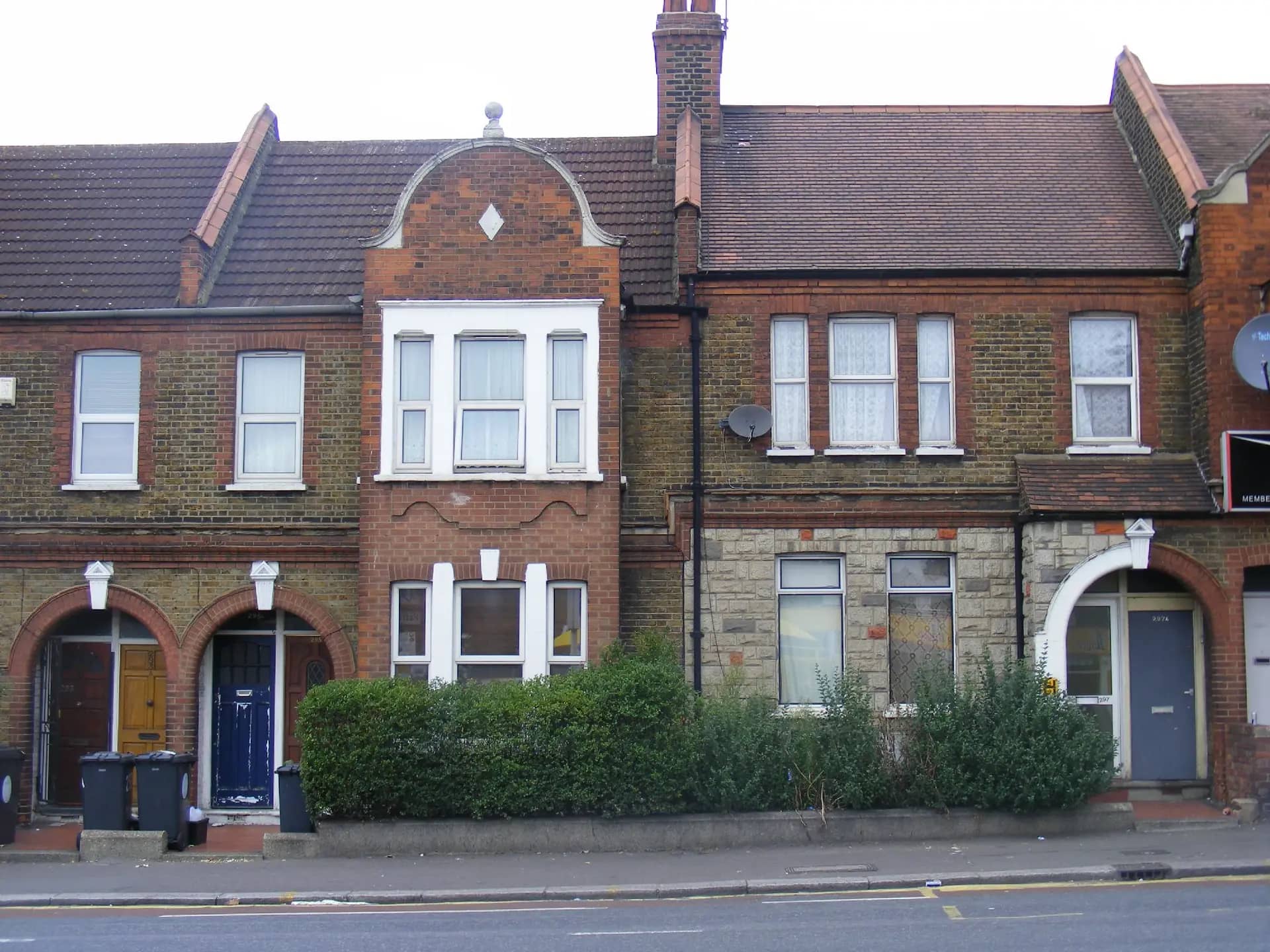
Brick terraced houses in Waltham Forest, typical of homes whose permissions require brick samples and boundary details before work starts

From decision notice to start on site

The clock starts when the council receives a complete request, so we check the pack before it goes.

Discharge of conditions process1Read the noticeList each condition, trigger and what it asks for2Prepare detailsSamples, drawings, statements or plans as required3SubmitRequest, details and the council fee sent together4Council reviewUp to 8 weeks, unless you agree longer5Written decisionApproved, part approved or refused with reasons
Period source: article 27(2) of the Development Management Procedure Order 2015.

Conditions we see most often and what answers them

Most householder conditions ask for one of five things, and the details are usually short.

ConditionWhat the council wantsWhat we send
MaterialsMatch with the existing houseSample list, photographs and a facing material schedule
Construction methodProtect neighbours and the streetA short statement on hours, deliveries and dust
DrainageNo increase in surface waterA drainage plan with soakaway or attenuation sizing
Tree protectionRoots and canopies kept safeA plan marking fencing, with the arboriculturist's report if one exists
Obscure glazingNeighbour privacy keptElevations showing the pane level and fixing

Tree reports and drainage design for larger schemes may need a specialist, whom we name before quoting.

The rules and numbers behind this page

Each figure links to the legislation or guidance it comes from.

  1. A council has 8 weeks, starting the day after it receives your request, to give notice of its decision on details submitted to discharge a condition.

    Source: legislation.gov.uk, Development Management Procedure Order 2015, article 27(2)
  2. The 8-week period can be extended if you and the council agree a longer period in writing.

    Source: legislation.gov.uk, Development Management Procedure Order 2015, article 27
  3. A fee has to be paid each time you ask for written confirmation of compliance, as if it were the first such request (paragraph 026).

    Source: GOV.UK, Fees for planning applications, paragraph 026
  4. Planning fees rise every 1 April in line with the Consumer Prices Index of the previous September, capped at 10%.

    Source: GOV.UK, Fees for planning applications
  5. Section 78 gives a right of appeal when a council refuses an application or grants it subject to conditions, and an appeal against a householder refusal runs for up to 12 weeks.

    Source: GOV.UK, Appeal a householder planning decision: how long you have to appeal
  6. London councils decided 24,758 householder applications in the year to March 2026.

    Source: GOV.UK, Planning applications statistics (PS2)

Ready for drawings your council will approve?

Tell us about your project and get a fixed, no-obligation quote back within one working day. If you don't need planning permission at all, we'll tell you that too — for free.

Get your free fixed quote

60 seconds now. A fixed, no-obligation quote back within one working day — and we'll tell you if you don't even need planning.

No obligation · No spam · Reply within 1 working day

Frequently asked questions

Can I start work before the conditions are discharged?

Not if they are pre-commencement conditions. Starting early means the work may be unlawful and exposed to enforcement. Check the wording: some conditions bind only before occupation or before a later stage, and those can be dealt with while you build.

What does the price cover?

The £365 covers a pack of up to 3 conditions: the drawings and details they ask for, and the submission. The council fee is separate and paid to the council. Larger numbers of conditions are quoted by the pack.

What if the council refuses the details?

It sends reasons. Usually the fix is a revised sample or a clearer drawing, and we resubmit. The fee guidance says a new fee is due each time you ask again, so we try to get the pack right first time.

Another practice drew the scheme. Can you still help?

Yes. Send the decision notice and approved drawings. We prepare the extra details the conditions ask for and check them against the drawings on file. Where the approved drawings are unclear, we ask the council before we draw.

Do I need a tree report?

Only if the condition or the council's tree officer asks for one. For a tree in your garden or next door within a few metres of the work, it often does. We tell you after reading the notice and, if needed, bring in a partner arboriculturist.

How long does the council take?

The statutory period is 8 weeks from the day after receipt. London councils often finish earlier on simple items such as materials, but a drainage or tree matter can take the full period. Plan the builder's start accordingly.

Planning approval report

Know your approval odds before you spend a penny on drawings

Answer five quick questions and get a free planning score for your exact address — instantly. Then, if you want the full picture, unlock the detailed analysis: your council's live approval rates, local precedents, constraints on your street and a step-by-step route to permission.