
Your council asked for a heritage statement, or your house is listed or sits in a conservation area. We research its history, assess what matters about it, and write the document that explains why your scheme does it no harm.
Photo: A P Monblat, BY-SA 4.0
Heritage statement, grade I and II* buildings are quoted individually
Fixed in writing after a free assessment of your property. Council planning fees are separate.
Every price is the total you pay. Checked 24 October 2026.
Councils ask for a heritage statement when a proposal touches a listed building, sits next to one, or lies within a conservation area. Many London applicants treat it as paperwork and hand over two paragraphs from a website. Officers notice. A statement that could describe any Victorian house in any borough tells them nothing about yours.
The policy test is simple. Say what is significant, then say how the scheme affects it. Significance means the reasons the place matters: its date, its materials, its plan form, the way it sits in the street. Impact means what changes. If the effect on significance is small, the statement says so plainly, and the policy asks for the same plain account.
We build the statement from sources a conservation officer would check: the list entry, the conservation area appraisal, historic maps, the borough's design guidance and the historic environment record. Photographs of the house, the rear elevation and the street are included, because an officer who cannot see the building cannot judge the harm.
Where we think the scheme would cause more harm than your council is likely to accept, we tell you before we write the full statement, and we mark which changes would help.
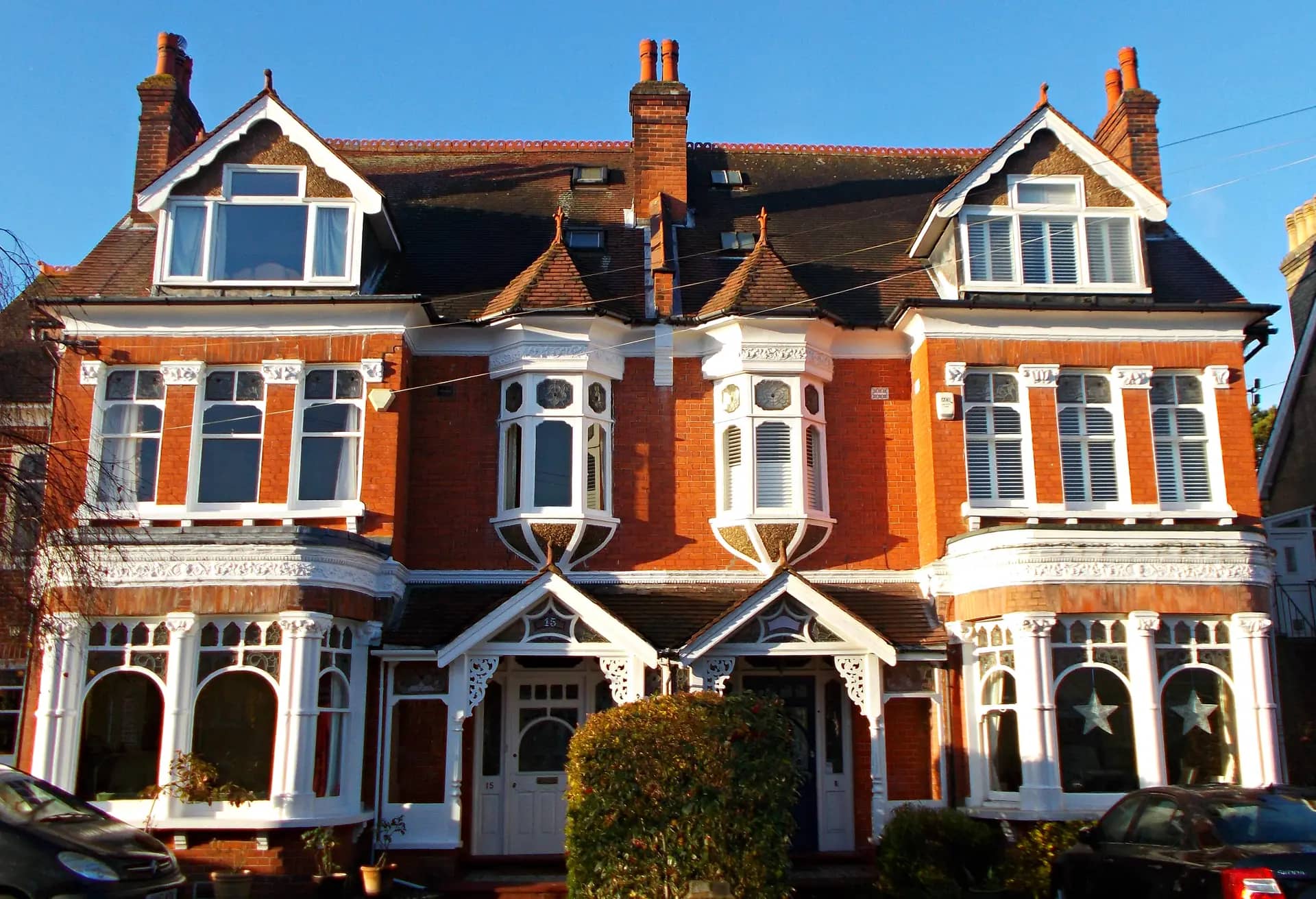
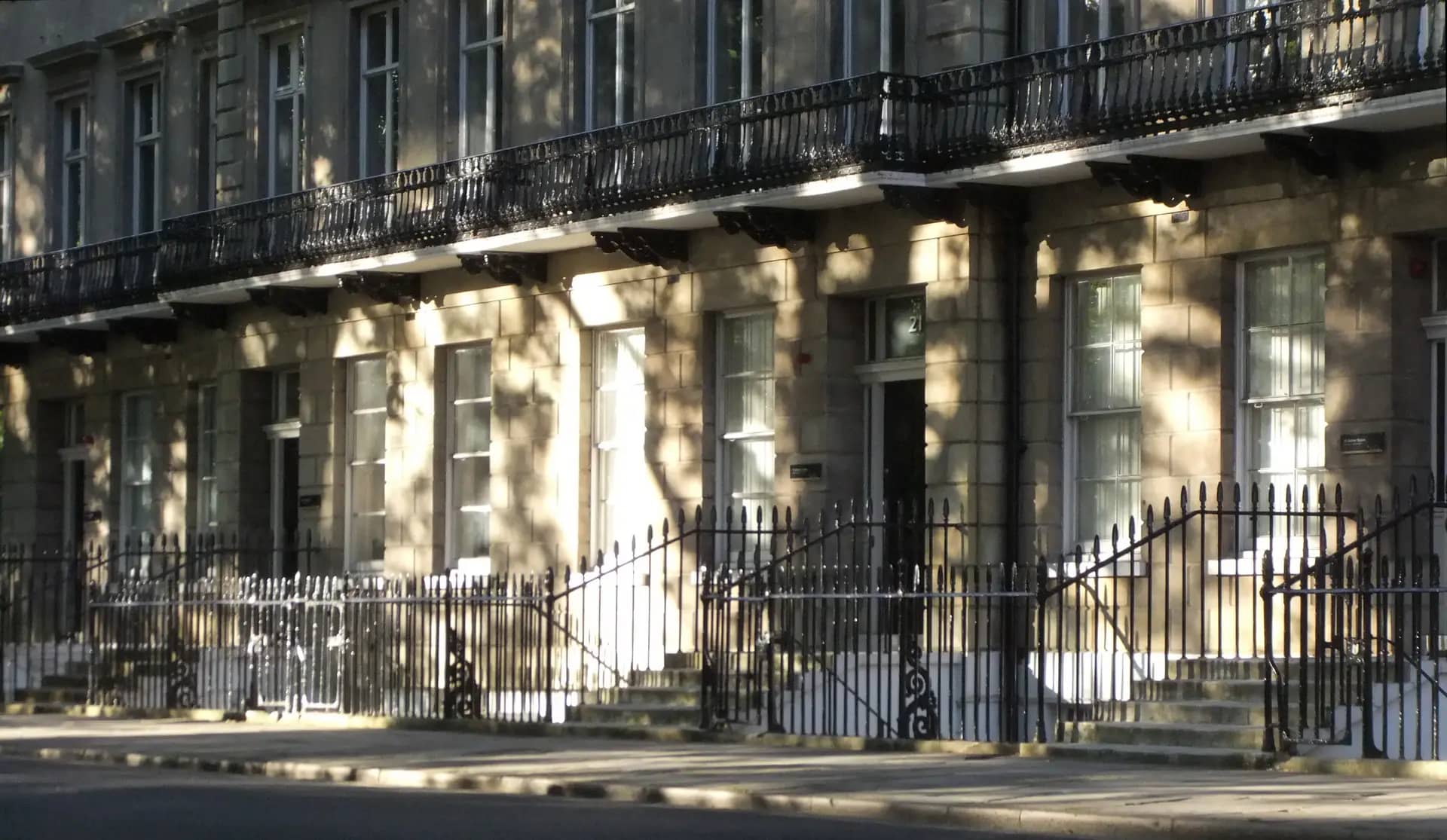
A heritage statement is research first and writing second.
A statement is normally needed wherever the scheme touches the setting of a heritage asset, and the table shows the common cases in London.
| Your property | Statement expected? | What matters most |
|---|---|---|
| Listed house, any alteration | Yes | Original plan form, joinery and fabric |
| House in a conservation area | Usually, for visible work | Street scene, front roofline, materials |
| Next to a listed building | Often | Setting, views and height of the new work |
| Locally listed house | Sometimes | Local list description and design guidance |
| Unlisted house, no designation | Rarely | Design and access statement is usually enough |
Sources: NPPF chapter 20 and your council's validation list. Councils differ, so check yours.
Each figure links to the policy or Act it comes from.
NPPF policy HE5 says proposals affecting heritage assets should be accompanied by an assessment of the significance of the assets affected.
Source: GOV.UK, National Planning Policy Framework, chapter 20 (HE5)Policy HE5 says the level of detail should be proportionate to the importance of the assets and no more than is necessary to understand the effect of the proposal.
Source: GOV.UK, National Planning Policy Framework, chapter 20 (HE5)Policy HE5 says the relevant historic environment record should be referred to when making the assessment.
Source: GOV.UK, National Planning Policy Framework, chapter 20 (HE5)Policy HE6, paragraph 6, says substantial harm to a grade I or II* listed building should be wholly exceptional, and to a grade II building exceptional.
Source: GOV.UK, National Planning Policy Framework, chapter 20 (HE6)Under s.66(1) of the 1990 Act the council must have special regard to the desirability of preserving a listed building or its setting when considering planning permission.
Source: legislation.gov.uk, Planning (Listed Buildings and Conservation Areas) Act 1990, s.66Under s.72(1) the council must pay special attention to the desirability of preserving or enhancing the character or appearance of a conservation area.
Source: legislation.gov.uk, Planning (Listed Buildings and Conservation Areas) Act 1990, s.72Tell us about your project and get a fixed, no-obligation quote back within one working day. If you don't need planning permission at all, we'll tell you that too — for free.
Often yes, for work the street can see. Councils ask for a statement of how the scheme preserves or enhances the area's character. For small rear works that nobody sees from the street, a short paragraph in the design statement may be enough. Check the validation list on your council's website.
No. A design statement explains the layout, scale and access of the scheme. A heritage statement assesses harm to historic significance. Many applications need both, and we can coordinate them so the two documents do not contradict each other.
Yes. The statement is written for your own drawings, so send them and we read them first. If the drawings omit details that matter to heritage, such as window joinery or the junction with an existing roof, we note what is missing.
The standard figure of £625 suits typical houses. Higher grades carry greater weight in policy, often have longer histories and may need more archive research, so we quote them after looking at the list entry and your plans.
A valid householder application has an 8-week decision period, and a heritage statement helps keep it valid first time. Where the council asks for more heritage detail, you may be asked to agree a longer period. We answer officer queries and keep the paperwork moving.
No statement can, and we do not promise outcomes. A clear, accurate statement removes a common reason for delay or refusal, and gives the officer what policy asks for. The decision stays with the council.
The statement is included in our listed building consent pack. If you only need the statement, buy it on its own. If you also need a survey and drawings, the consent pack covers all three together.
Answer five quick questions and get a free planning score for your exact address — instantly. Then, if you want the full picture, unlock the detailed analysis: your council's live approval rates, local precedents, constraints on your street and a step-by-step route to permission.