Listed building consent drawings for a London house cost £2,145 inc survey with us, or £1,945 if you already have measured drawings. The price includes a heritage statement and the submission. The council itself charges no fee for a listed building consent application.
That is the surprise for most owners. There is no fee, and the cost is nearly all professional: a careful survey, drawings that record the building's original fabric, and a written case that explains what your work does to its special interest. This guide explains the price, what a conservation officer expects, and why consent is separate from planning permission.
What the fee covers, and what you do not pay
Our £2,145 inc survey is higher than a standard householder application, and the reason is the extra work. We measure the building in more detail than a normal survey, because a conservation officer wants to see the original staircase, cornices and window joinery, not only room outlines. We draw the existing building, the proposed changes and what is lost or altered, and we write the heritage statement that explains the significance of the building and the effect of your work.
What you do not pay is a council fee. The GOV.UK fees guidance lists applications for listed building consent among those that need no fee. If your work also needs planning permission, for example an extension, that application carries its normal fee, and the two are made side by side.
When consent is needed, and what happens without it
The rule is section 7 of the Planning (Listed Buildings and Conservation Areas) Act 1990. No one may execute works for the demolition of a listed building, or for its alteration or extension in any manner which would affect its character as a building of special architectural or historic interest, unless those works are authorised.
The test is the effect on character, not whether the work is large. Removing an internal wall, replacing sash windows, installing a new kitchen flue or taking out a fireplace can all affect it. Replacing like for like is often outside the rule, and repair is not usually a problem. The safest course is to ask the conservation officer before you start.
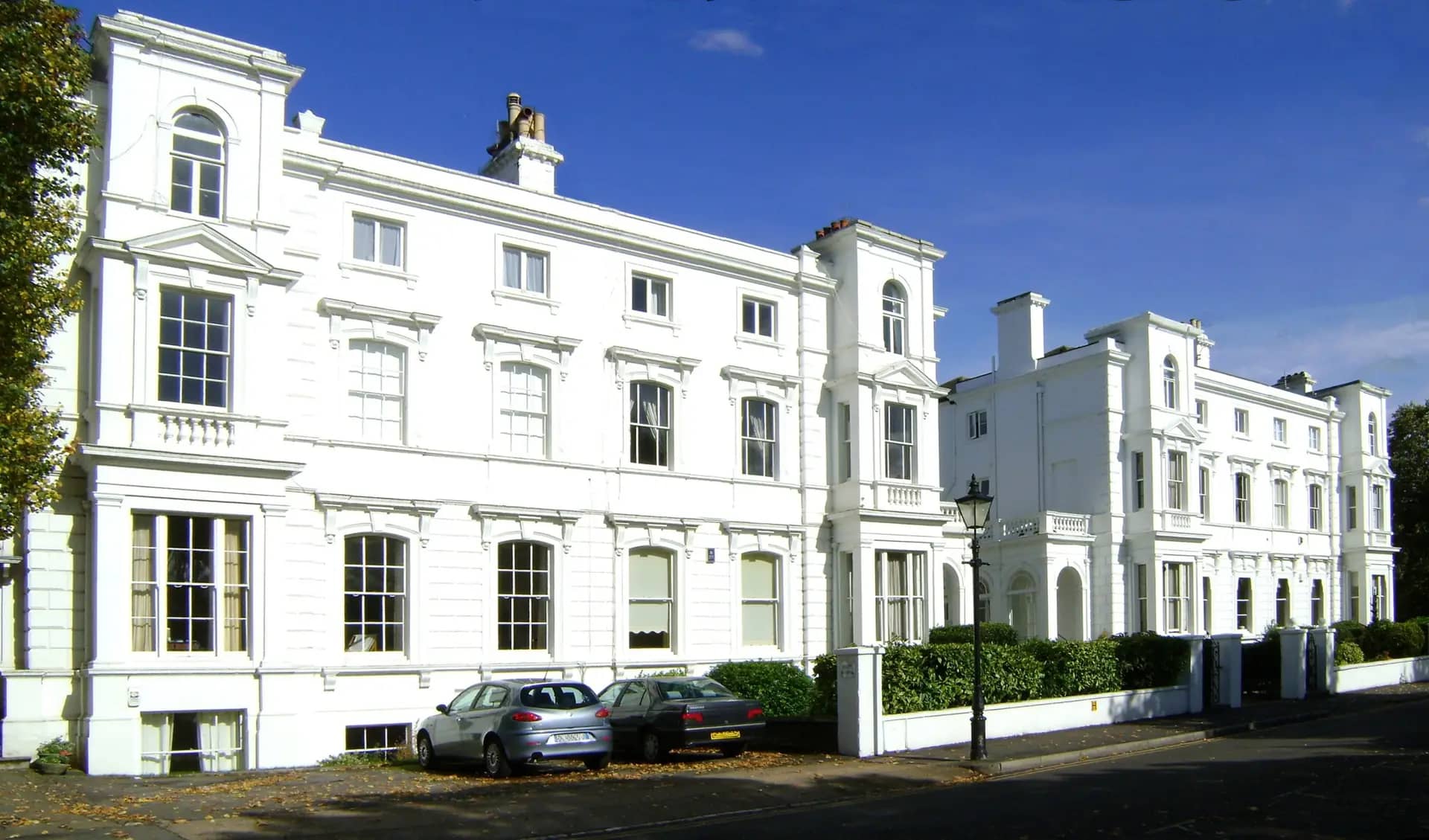
Photo: Maxwell Hamilton, BY 2.0
What a conservation officer expects to see
Planning law asks councils to have special regard to the desirability of preserving a listed building, its setting and any features of special architectural or historic interest it possesses. That duty sits in section 66 of the 1990 Act, and it means your application is read against the building's history.
- A drawn record of what exists, including features that will be covered, moved or lost.
- A statement of significance: the age, the original plan form and what has been altered since.
- A clear account of what you propose, and why it is the least harmful way to get what you need.
- Details of materials and methods: lime mortar, timber windows, cast-iron rainwater goods and so on.
- Where you propose harm, the public benefit that outweighs it, such as keeping the building in good use.
That last point is the heart of a good application. A heritage statement that says the house will be easier to live in is weak. One that shows the original room volume stays legible, the cornice is repaired in situ and the new opening reuses an old one is much stronger.
Timing, refusal and appeal
GOV.UK says you can appeal a listed building consent decision if you disagree with it or if no decision came within 8 weeks. There is no fee for appealing, the deadline is 6 months from the decision or from the date it was due, and only the person who made the application can appeal.
The figures in this article, and where they come from
Applications for listed building consent under the 1990 Act are among those that need no planning application fee.
Source: GOV.UK, Fees for planning applicationsSection 7 of the 1990 Act bars works to demolish, alter or extend a listed building in a way that affects its character unless the works are authorised.
Source: legislation.gov.uk, Planning (Listed Buildings and Conservation Areas) Act 1990, section 7Unauthorised works to a listed building can lead, on conviction on indictment, to imprisonment for up to 2 years, a fine, or both (section 9).
Source: legislation.gov.uk, Planning (Listed Buildings and Conservation Areas) Act 1990, section 9In considering development affecting a listed building or its setting, a council must have special regard to preserving it (section 66).
Source: legislation.gov.uk, Planning (Listed Buildings and Conservation Areas) Act 1990, section 66You can appeal a listed building consent decision within 6 months of the decision, or of the date it was due.
Source: GOV.UK, Appeal a listed building consent decisionA listed building consent appeal is allowed if no decision was made within 8 weeks (13 weeks for a major development), and there is no fee for appealing.
Source: GOV.UK, Appeal a listed building consent decision
Questions people ask
Do I need planning permission as well as listed building consent?
Often, yes. Consent covers works that affect the building's special interest. Planning permission covers a change in the land or its use, such as a new extension. A rear extension to a listed house usually needs both, and we prepare them together.
Does listed building consent cover the interior?
Yes. A listing protects the whole building, inside and out, including fixtures that are part of it. A new opening in an internal wall can need consent even though nothing changes from the street.
What if I bought a house and the previous owner did work without consent?
The council can still take enforcement action over unauthorised work, so ask your solicitor to check the consent history before exchange. If work is found, an application to regularise it is the usual route.
Is the listing the same as being in a conservation area?
No. A conservation area protects the character of a place and removes some permitted development rights. A listing protects an individual building. A house can be in both, and the rules then add up.
Can I do repairs without consent?
Like-for-like repairs that do not affect character are not usually works needing consent. Replacing original sash windows with double glazing or repointing in hard cement can still count. If in doubt, ask the conservation officer first.
Listed Building Consent Drawings: from £2,145 inc survey
(£1,945 if you supply measured drawings)
What you get
- Measured survey
- Drawings
- Heritage statement
- Consent application submission
- A check of the list entry, the grade and any curtilage structures
The total you pay, fixed in writing before you commit. Council fees are separate and paid to the council. Prices checked 24 October 2026.
How our listed building consent drawings service works