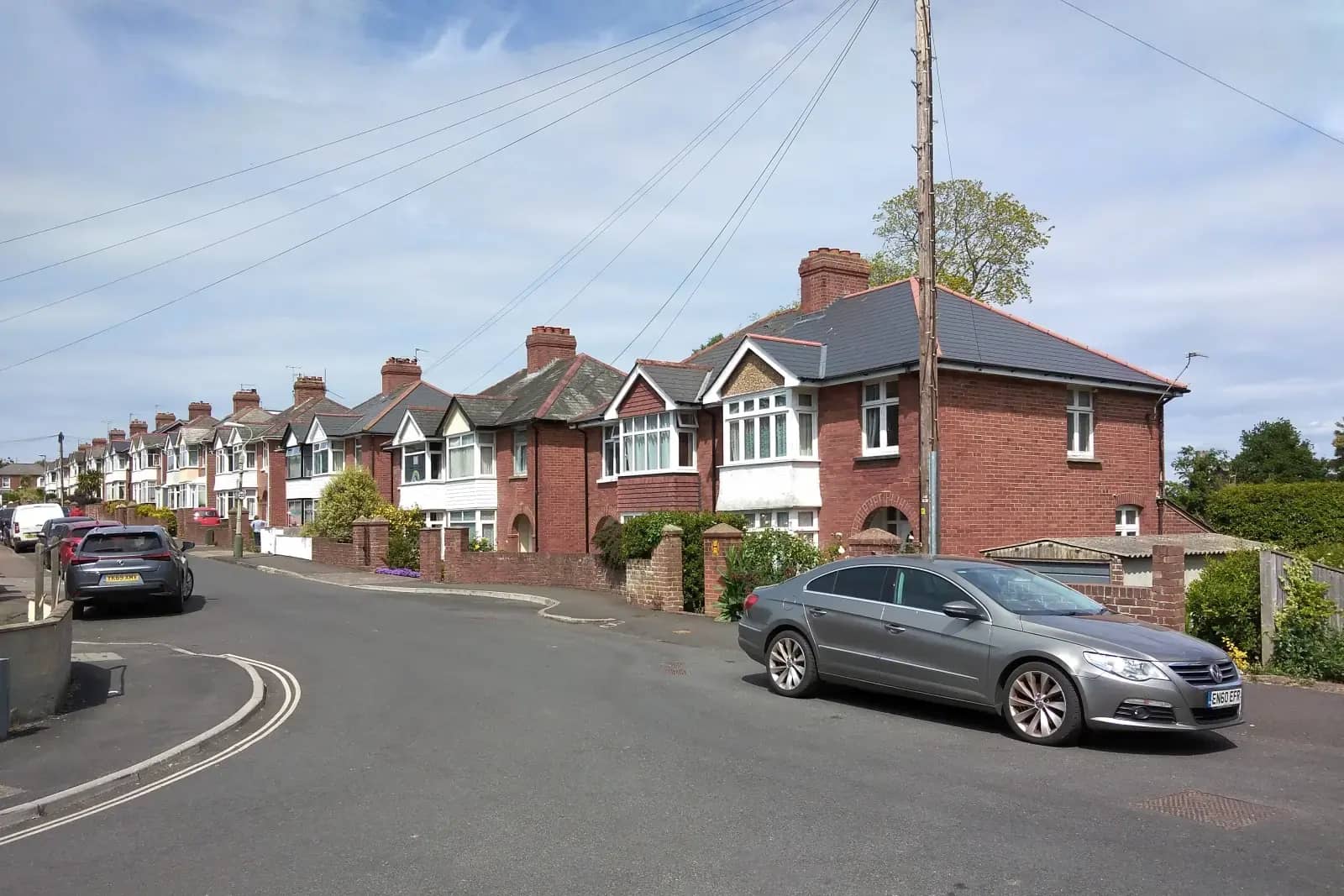
A lawful development certificate in London costs £715 inc survey with us for the survey, drawings and application, or £515 if you already hold measured drawings. The council adds its own fee, which by law is half of what a planning application for the same work would cost.
So there are two bills. Ours pays for the measuring, the checking and the paperwork. The council's pays for an officer to confirm that what you plan to build is permitted development. This article explains both, what moves them, and when a certificate saves far more than it costs.
The two bills: drawings and the council fee
The first bill is for the work that proves your project is lawful. A council will not take your word for it: it wants dimensioned plans and elevations, a roof plan with the volume worked out for any loft, and a location plan with the house edged in red. Our £715 inc survey covers a measured visit, those drawings, a short statement naming the rule your project relies on, and the submission itself.
The second bill is the council's. Under the national fee rules, a certificate for proposed work costs half the fee for a planning application for the same development. It is paid when you apply, it is the same in Barnet as in Bromley, and you pay it whether the answer is yes or no.
What makes one certificate cost more than another
Our price starts where most London houses sit: a terrace or semi with one clear project, such as a rear dormer or a single-storey kitchen extension. Three things push it up.
- Two projects in one application, for example a loft and a rear extension, because each needs its own set of limits proved.
- A house that has been extended before. Permitted development is measured from the original house as it stood in 1948, or when it was built if later, so earlier additions have to be surveyed and shown.
- Tight margins. When a dormer comes within a few centimetres of a limit, we draw extra sections so the officer can check it without a site visit.
What does not change the price is the borough. The rules come from one national order, the GPDO 2015, and the council fee is set nationally too.
When a certificate is not the right route
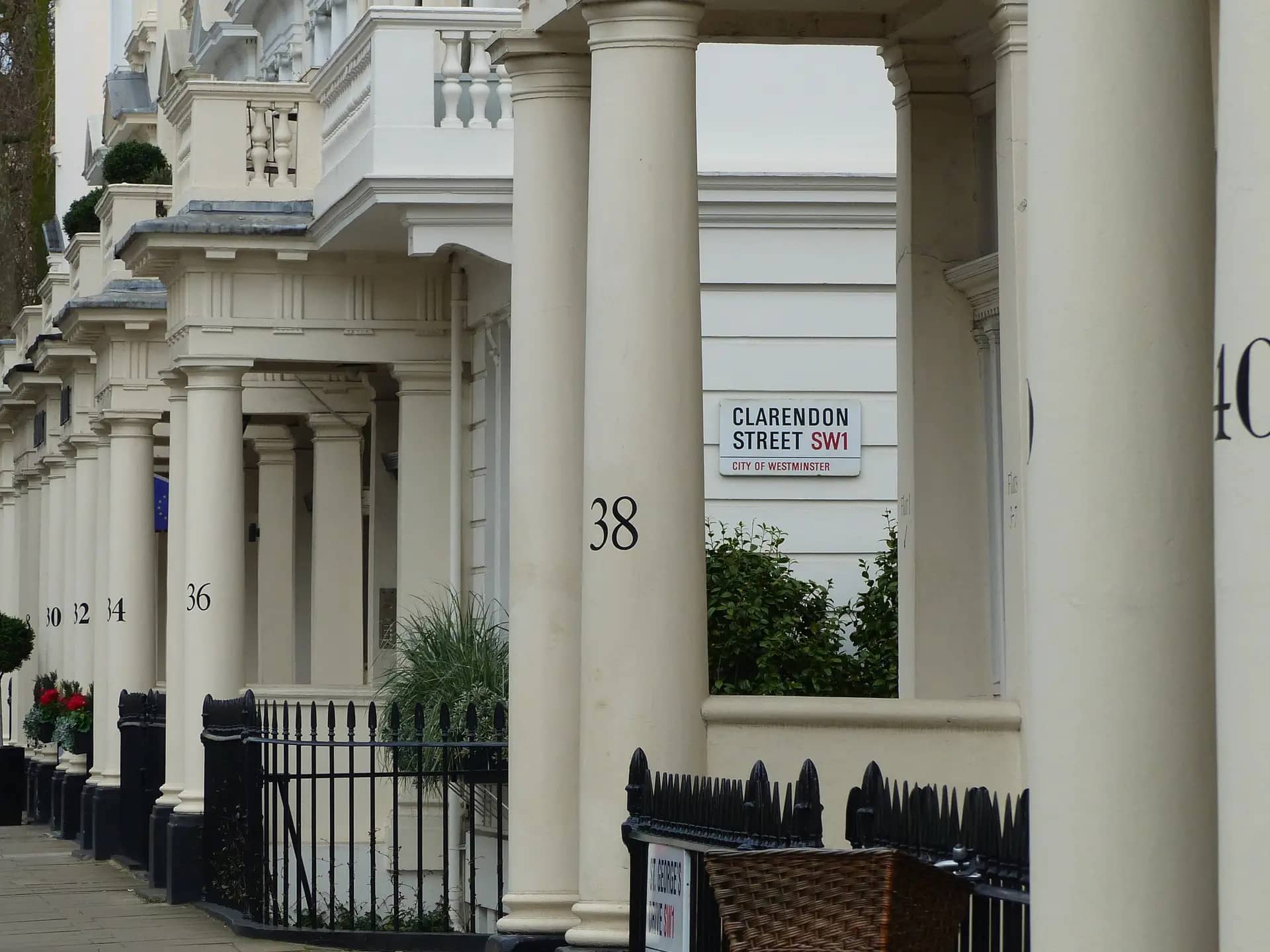
Photo: Ruth Sharville, BY-SA 2.0
A certificate only works where permitted development rights exist. Flats and maisonettes have none of the householder rights. In a conservation area, Class B roof extensions are excluded, side extensions need permission, and an Article 4 direction can remove more. If your street sits in one, the cheaper-looking route can turn into a refusal and a second application.
That is why we check the constraints on your address before we quote. If the project needs full planning permission, we say so and price that instead; if it needs no paperwork at all, we tell you that too.
Is it worth paying for a certificate you are not obliged to get?
Nobody is required to hold one. Permitted development is lawful whether or not a council has confirmed it. The certificate earns its cost later, when you sell or remortgage and a buyer's solicitor asks how the loft was approved.
| Situation | With a certificate | Without one |
|---|---|---|
| Selling the house | Hand over the decision notice | Prove after the event that every limit was met, or buy indemnity cover |
| Neighbour complains | The council has already confirmed the work is lawful | The council investigates the built work |
| Builder starts work | Builds to drawings checked against the rules | Builds to a design nobody has checked |
Time matters too. Since 25 April 2024, the period after which unauthorised building work in England is safe from enforcement has been 10 years. That is a long time to carry doubt about a loft you paid tens of thousands of pounds to build.
How long it takes from first call to decision
Most of the time belongs to the council. The Development Management Procedure Order gives it 8 weeks from the day after it receives a valid application. Our part, the visit and the drawings, usually takes days rather than weeks.
London councils handle a heavy load: they decided 24,758 householder applications in the year to March 2026, according to government planning statistics. A clear, well-dimensioned set keeps yours off the pile of queries.
The figures in this article, and where they come from
A certificate for proposed work costs 50% of the council fee for a planning application for the same development.
Source: GOV.UK, Fees for planning applicationsPlanning fees rise every 1 April by the Consumer Prices Index of the previous September, capped at 10%.
Source: GOV.UK, Fees for planning applicationsThe council must decide within 8 weeks of the day after it receives the application, unless both sides agree longer in writing.
Source: legislation.gov.uk, Development Management Procedure Order 2015, article 39(10)Certificates for proposed use or development are issued under section 192 of the Town and Country Planning Act 1990.
Source: legislation.gov.uk, Town and Country Planning Act 1990, s.192Roof extensions under Class B may add up to 40 cubic metres to a terraced house and 50 cubic metres to other houses, and are excluded in conservation areas.
Source: legislation.gov.uk, GPDO 2015, Schedule 2, Part 1, Class BLondon councils decided 24,758 householder applications in the year to March 2026.
Source: GOV.UK, Planning applications statistics (PS2)
Questions people ask
Can I apply for a lawful development certificate myself?
Yes. Anyone can apply, and the council fee is the same. What you would be doing yourself is the measuring and the drawing, and proving each limit on paper. Most refusals we see on self-made applications come from a volume or depth measured from the wrong starting point.
Do I get the council fee back if the certificate is refused?
No. The fee pays for the council to consider the application, not for a yes. If the refusal turns on one dimension, we can usually redesign to fit and apply again, and a second application needs a second fee.
Is a certificate cheaper than planning permission?
Usually, yes. The council fee is half, and the drawings are simpler because the officer checks measurements against fixed rules rather than judging design. But it only works if your project genuinely is permitted development.
Can I get a certificate for work I have already built?
Yes, under section 191 for existing work. The evidence is different: you show what was built and when, rather than what you plan. We survey what is there and prepare the drawings for that application too.
Does the certificate cover building regulations?
No. Building regulations need their own approval. Our building regulations drawings are £825 inc survey, and a loft usually also needs structural calculations.
Lawful Development Certificate Drawings: from £715 inc survey
(£515 if you supply measured drawings)
What you get
- Measured survey
- Permitted development drawings
- Certificate application submission
- A check of your address for conservation area and Article 4 limits
- Answers to every council query until the decision
The total you pay, fixed in writing before you commit. Council fees are separate and paid to the council. Prices checked 24 October 2026.
How our lawful development certificate drawings service works