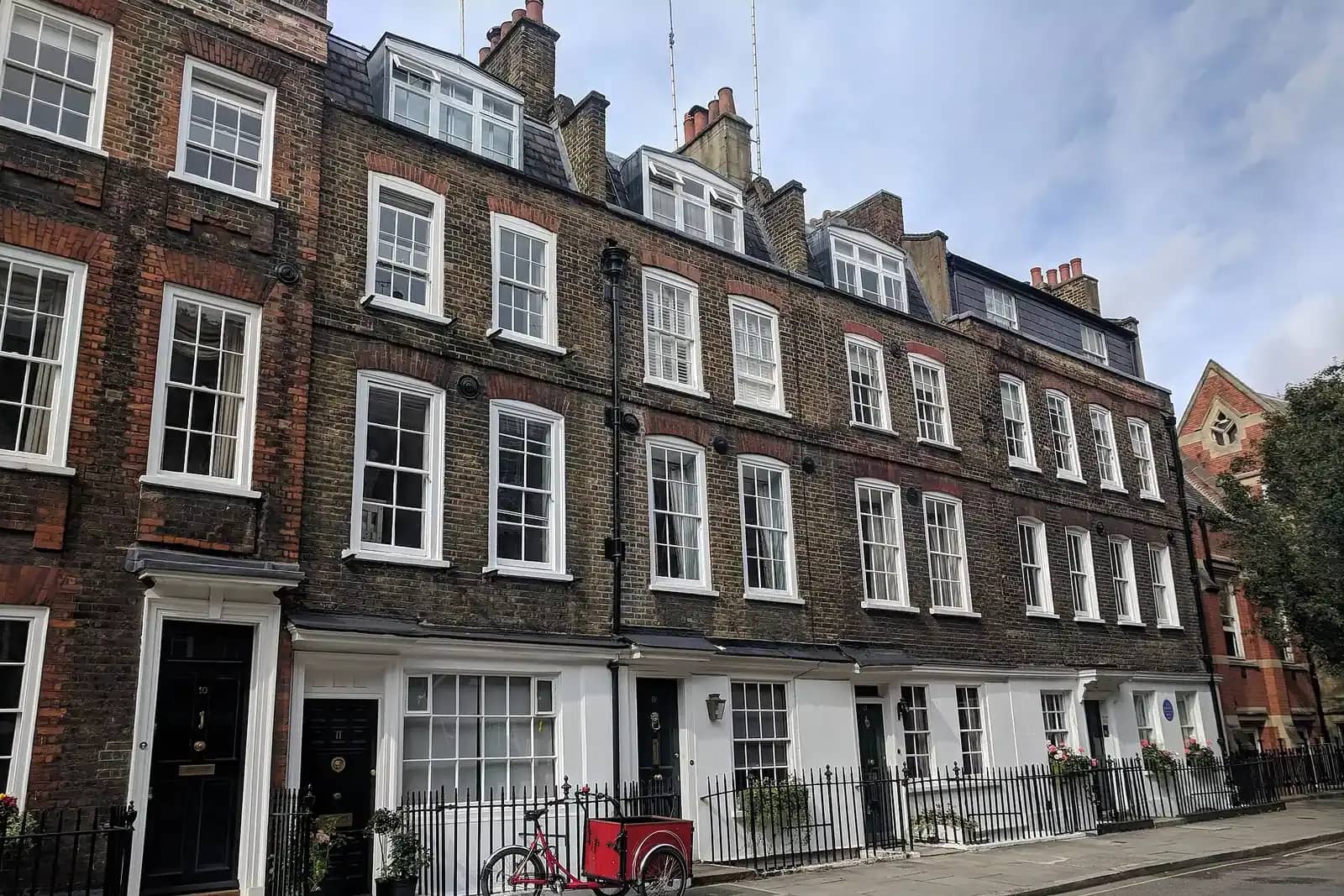
A heritage statement for a London house costs £625 with us. It covers the research into your list entry or conservation area, and a written statement of the building's significance and the effect of your proposals on it. Grade I and II* buildings are quoted individually.
Councils ask for one when a house is listed, sits in a conservation area, or lies near a heritage asset whose setting could be affected. The national planning policy framework expects it, and a council cannot properly weigh a scheme without it. This article explains what the statement contains, how proportionate it should be, and how it relates to your drawings.
What the fixed fee covers
Our £625 is for a written report, not drawings. We research the building: its list entry if it is listed, the conservation area appraisal if it is in one, and any records that show how the house and street developed. We then write a statement of significance, which says what is special about the building and why, and an assessment of how your proposal affects that.
There are two limits to the price. Grade I and II* buildings are quoted individually, because their significance is greater and the report has to be more detailed. And the statement is written for a defined proposal. If the design changes substantially, the impact section is revised.
Proportionate does not mean short
National policy sets the standard. Policy HE5 of the National Planning Policy Framework says that proposals affecting heritage assets should be accompanied by an assessment of significance, including the contribution made by setting, and that the level of detail should be proportionate to the importance of the asset and no more than is necessary to understand the effect of the proposal.
In practice a well-judged statement for a rear extension to a terraced house is a few pages, not a book. It is specific to your building, it names the features that matter, and it explains why the proposal is acceptable. A statement that could be pasted onto any house in the street does not meet the test.
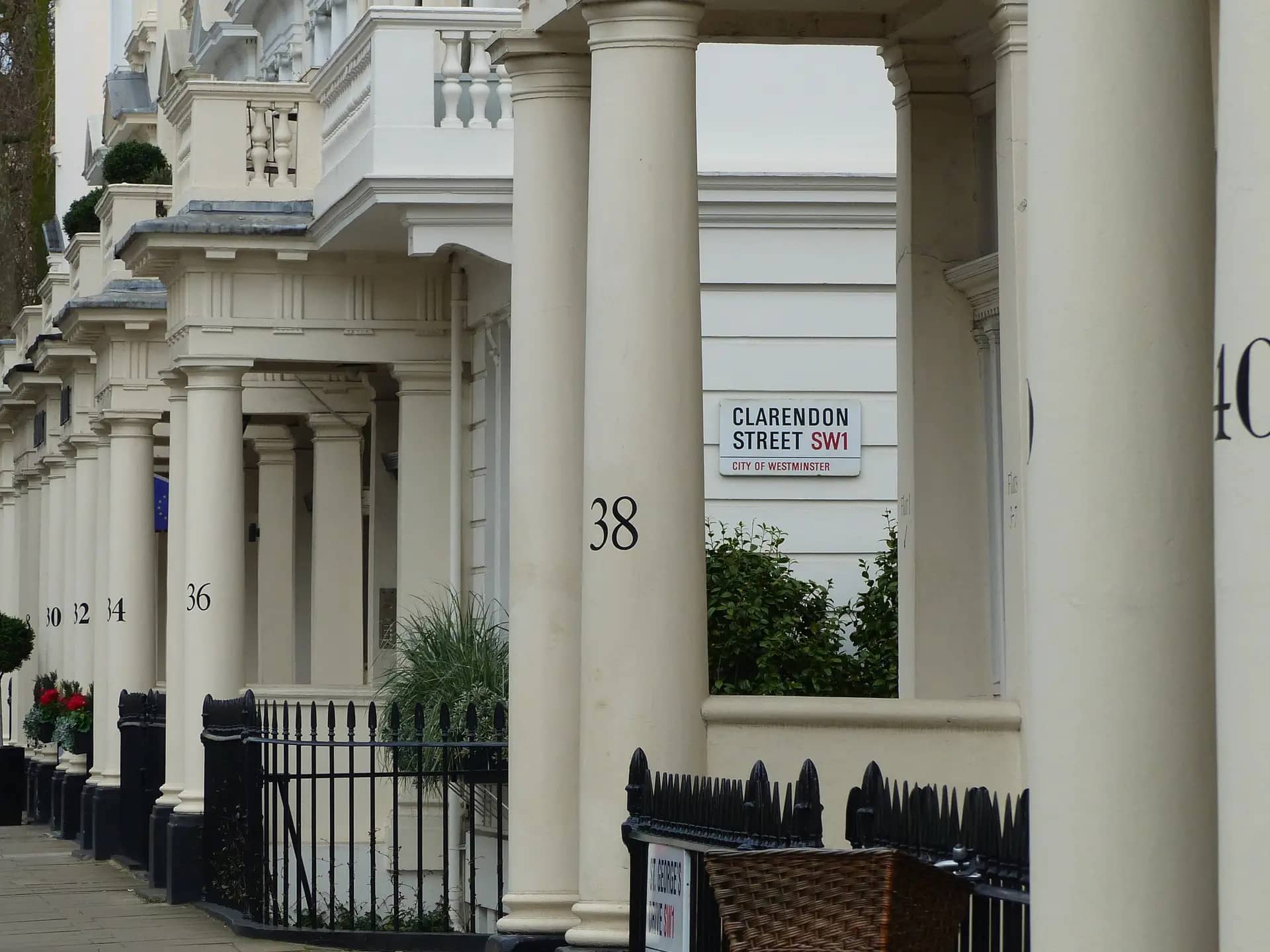
Photo: Ruth Sharville, BY-SA 2.0
When a council asks for one
Two sections of the Planning (Listed Buildings and Conservation Areas) Act 1990 are the reason. Section 66 says that when considering planning permission for development which affects a listed building or its setting, the council must have special regard to preserving the building or its setting. Section 72 says special attention must be paid to preserving or enhancing the character or appearance of a conservation area.
- Your house is listed, and the work is inside or outside it: a statement goes with the consent application.
- Your house sits in a conservation area: a statement often goes with the planning application, especially for the front or roof.
- Your house is next to a listed building: the statement addresses the effect on its setting.
- Your council's local validation list asks for it: the application is not valid without it.
Policy HE6, paragraph 6, sets the weight. Substantial harm to a grade I or II* listed building should be wholly exceptional, and to a grade II building exceptional. A good statement does not claim there is no harm. It says what the harm is, how it is minimised and what public benefit justifies it.
How the statement fits with the drawings
The right time for the research is before the design, since it tells you which features to keep and where a change would be accepted. A listed building consent pack from us already includes one.
The figures in this article, and where they come from
Policy HE5 says development proposals affecting heritage assets should be accompanied by an assessment of the significance of the assets affected.
Source: GOV.UK, National Planning Policy Framework, chapter 20, policy HE5Policy HE5 says the level of detail should be proportionate to the importance of the assets and no more than is necessary to understand the effect of the proposal.
Source: GOV.UK, National Planning Policy Framework, chapter 20, policy HE5Policy HE6 says substantial harm to grade I or II* listed buildings should be wholly exceptional.
Source: GOV.UK, National Planning Policy Framework, chapter 20, policy HE6Section 66(1) requires special regard to the desirability of preserving a listed building or its setting when considering planning permission.
Source: legislation.gov.uk, Planning (Listed Buildings and Conservation Areas) Act 1990, section 66Section 72(1) requires special attention to the desirability of preserving or enhancing the character or appearance of a conservation area.
Source: legislation.gov.uk, Planning (Listed Buildings and Conservation Areas) Act 1990, section 72Planning practice guidance paragraph 18a-009 says applicants should analyse the significance of the asset and its setting, in proportion to its importance.
Source: GOV.UK, Planning practice guidance, Conserving and enhancing the historic environment
Questions people ask
Do I need a heritage statement for a house in a conservation area?
Not always, but often. Councils can list it as a validation requirement, and some ask for one wherever a conservation area is affected. Check your council's local validation list, or ask us, before you submit.
Is a heritage statement the same as a design and access statement?
No. A design and access statement explains the design and how the site can be reached. A heritage statement assesses the effect on a heritage asset. They can be combined for a small scheme. Our design and access statement is £255.
What if my house is not listed but is close to one?
The setting of a listed building is protected as well as the building. If your work could be seen from, or change the view of, a listed neighbour, the council may ask for a statement dealing with setting.
Does the statement guarantee permission?
No. It gives the council the information it needs to decide, and a clear case is easier to grant than an unexplained one. The decision is still the council's, on the merits of the scheme.
Can you write one if I have already had a design done elsewhere?
Yes, if we can see the drawings. The impact section is written against your design. If the research suggests a change would help, we tell you before the statement is finalised.
Heritage Statement: from £625
What you get
- List entry and conservation area research
- Statement of significance and impact
- A statement written for your own building, not a template
The total you pay, fixed in writing before you commit. Council fees are separate and paid to the council. Prices checked 24 October 2026.
How our heritage statement service works