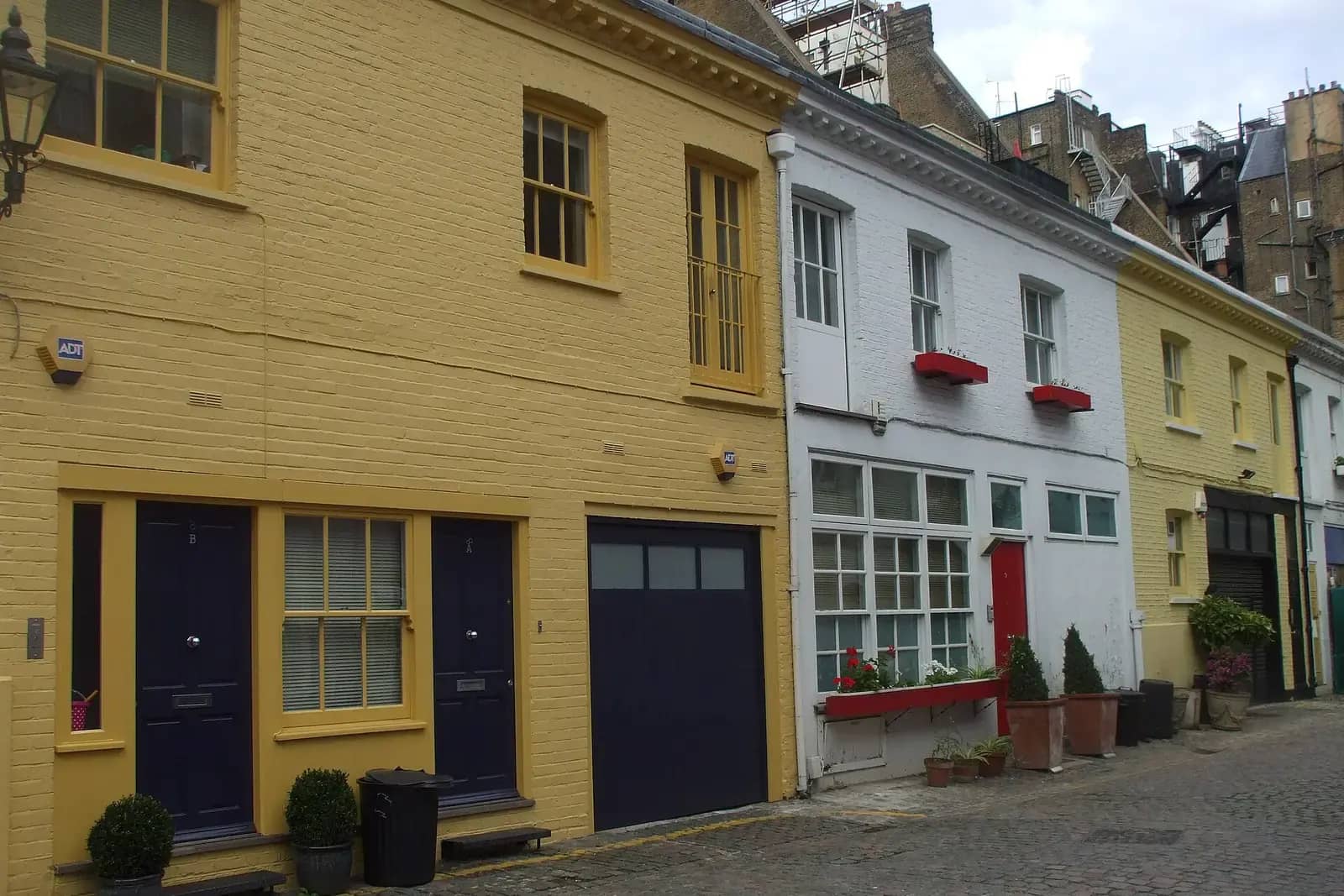
A design and access statement for a London application costs £255 with us. We write it for your own drawings and cite your council's policies. If you are having your drawings done with us, a design statement is already part of the planning price.
The first question is whether you need one. The rule is narrower than most people expect: a statement is required only for major development, or for certain schemes in a designated area. A householder extension in a conservation area, for example, needs one only if it adds 100 square metres or more. This article sets out the test, what the document must contain, and when it is worth writing even if it is not required.
What the statement costs
Our £255 is for a statement written for drawings you already have, from us or from someone else. We read the drawings, look at the context, cite the policies in your council's development plan and write the document in the order the law sets out. It is sent to you ready to attach to the application.
If you commission planning drawings from us, you do not pay twice: the design statement is part of that package. The stand-alone price is for people who have drawings from elsewhere and a council that asks for the statement.
Do you need one?
The test is in article 9 of the Development Management Procedure Order. A statement must accompany an application for planning permission that is for major development, or, where any part of the development is in a designated area, that provides one or more dwellinghouses or a building or buildings creating 100 square metres or more of floor space.
| Your application | Statement required? |
|---|---|
| Householder extension outside a designated area | No |
| Householder extension in a conservation area adding under 100 square metres | No, though the council may still ask for a heritage statement |
| New house or flats in a conservation area | Yes |
| Any building adding 100 square metres or more in a designated area | Yes |
| Major development anywhere | Yes |
| Variation of conditions, or a change of use only | No: these are exempt |
A designated area, for this rule, includes a conservation area. Councils can also ask for a statement on smaller schemes through their local validation lists, so check yours before you submit.
What the statement has to say
The Order says a statement must explain the design principles and concepts applied, demonstrate the steps taken to appraise the context and how the design takes it into account, explain the policy adopted on access and how local policies on access were considered, state what consultation took place on access, and explain how any specific access issues were dealt with.
- Design principles: the idea behind the scheme, its scale, materials and relationship to the house.
- Context: the street, neighbours and any heritage setting, with photographs where useful.
- Policy: the parts of the council's local plan and design guidance the scheme meets.
- Access: how people reach the building and move within it, including step-free routes where relevant.
- Consultation: any discussion with neighbours or the council before submission.
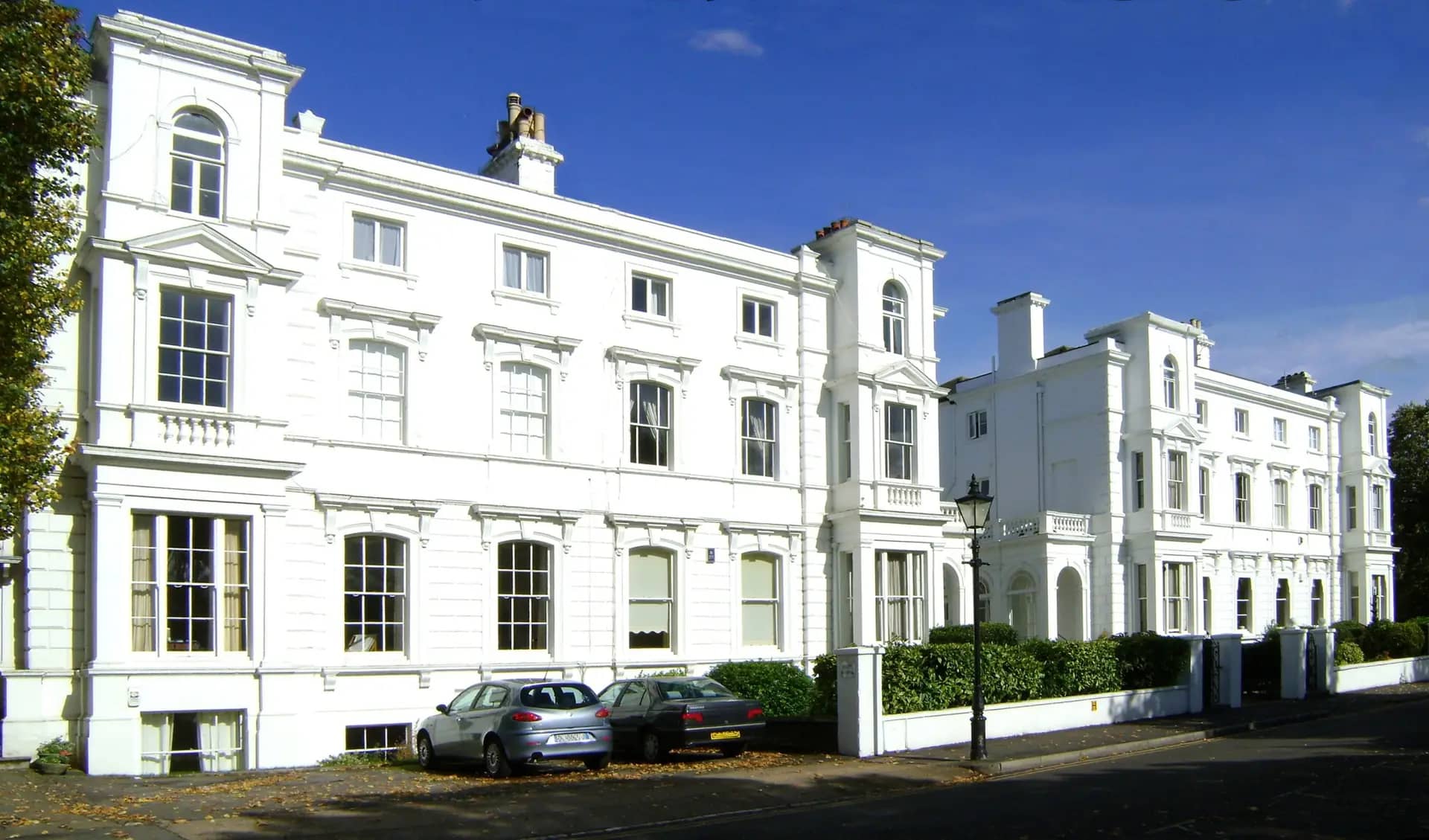
Photo: Maxwell Hamilton, BY 2.0
When it is worth writing one anyway
A small scheme that the law exempts can still benefit from a short statement. If your design departs from the street pattern, if a neighbour is likely to object, or if the council has refused something similar before, one page that explains the choices helps the officer. It costs less than the delay a query would cause.
The figures in this article, and where they come from
Article 9(1)(a) requires a design and access statement to accompany an application for major development.
Source: legislation.gov.uk, Development Management Procedure Order 2015, article 9(1)(a)In a designated area, a statement is required for one or more dwellinghouses, or for floor space created of 100 square metres or more.
Source: legislation.gov.uk, Development Management Procedure Order 2015, article 9(1)(b)A statement must explain the design principles and concepts applied and how issues of access have been dealt with (article 9(2)).
Source: legislation.gov.uk, Development Management Procedure Order 2015, article 9Article 9(4) exempts applications to vary conditions under section 73, changes of use, and engineering or mining operations.
Source: legislation.gov.uk, Development Management Procedure Order 2015, article 9(4)A council has 8 weeks from the day after it receives a valid non-major application to decide it.
Source: legislation.gov.uk, Development Management Procedure Order 2015, article 34London councils decided 24,758 householder applications in the year to March 2026.
Source: GOV.UK, Planning applications statistics (PS2)
Questions people ask
Is a design and access statement the same as a planning statement?
No. A design and access statement is about the design and how people reach the building. A planning statement argues how the scheme meets planning policy. Small schemes sometimes combine the two, but they answer different questions.
Does a listed building application need one?
Ask your council what it needs with a listed building consent application. Our listed building package, at £2,145 inc survey, includes a heritage statement.
How long should the statement be?
Proportionate to the scheme. For a household extension a few pages is normal. For a block of flats it is longer. The Order sets the headings, not a length.
Can I write it myself?
Yes. Nothing says it must be written by a professional. The risk is leaving out a heading the Order asks for, or citing policy that does not apply, either of which can delay validation.
Does the council check the statement?
Validation officers check that it exists and covers the required matters. The case officer then reads it with the drawings. A statement that contradicts the drawings is worse than none.
Design and Access Statement: from £255
What you get
- Statement written for your own drawings
- Policy references for your council
- The statement set out under the headings the Order requires
The total you pay, fixed in writing before you commit. Council fees are separate and paid to the council. Prices checked 24 October 2026.
How our design and access statement service works