MCIAT chartered drawings · Fixed fees across all 33 London boroughs
Services
Areas
Guides
ProcessOur promiseFAQ
Free approval reportGet my free quote020 7864 7245
Change of use planning drawings in Welwyn Hatfield — a commercial building converted to residential use
Welwyn Hatfield · Change of Use & Prior Approval

Change of use planning drawings in Welwyn Hatfield

Change-of-use drawings for Welwyn Hatfield — commercial to residential under Class MA, or a full application where the use classes do not line up — measured, drawn and evidenced for Welwyn Hatfield Borough Council, with free revisions until your decision.

★★★★★ Rated 4.9/5 by London homeowners96% approval rate · 2,400+ drawings delivered
Share

What the data says about planning in Welwyn Hatfield

Welwyn Hatfield Borough Council granted 88% of the householder planning decisions it made in its latest published year — 1 point above the 87% England-wide householder average. Metropolitan Green Belt covers most of the borough outside the two main towns, so growth is concentrated on urban and allocated sites, which is where a policy-literate drawing pack earns its keep. Its dominant Georgian (1714–1837), interwar (1918–1939) and postwar (1945–1970) housing stock sets the design brief on most streets.

Class A and Class B set the thresholds — a rear dormer to 40m³ on a terrace or 50m³ on a semi or detached, and a single-storey rear extension to 3m on a terrace or 4m on a detached house — beyond which Welwyn Hatfield Borough Council needs a full application. Welwyn Hatfield carries at least one Article 4 direction, and conservation areas including Welwyn Garden City, Welwyn village and Old Hatfield remove those rights outright, so we confirm your exact address before a line is drawn. A validated householder application in Welwyn Hatfield is determined against an 8-week statutory target.

Welwyn Garden City (a planned garden city of low-density neo-Georgian housing with a protected conservation-area character), Old Hatfield (the historic core around Fore Street beside Hatfield House), Hatfield (postwar New Town planned estates south of the old town), Welwyn (a historic village core with a conservation area), Digswell (a leafy garden-suburb village beside the viaduct) and Cuffley (a Green Belt commuter village to the south-east) — these are the Welwyn Hatfield pockets our drawings cover most. Heritage designations here include Welwyn Garden City, Welwyn village, Old Hatfield, Digswell, Ayot St Lawrence and Essendon. Welwyn Hatfield Borough Council weighs each proposal against the Welwyn Hatfield Local Plan 2016–2036 (adopted October 2023), where garden-city character protection governs the design, density and tree cover of Welwyn Garden City, holding new work to its low-density neo-Georgian grain. Converted and purpose-built flats appear around the town centres and stations, and none of them hold householder permitted-development rights.. On roofs the borough is hipped and pitched tiled roofs on the neo-Georgian garden-city houses and steep tiled roofs on the historic Old Hatfield cores, over low-density neo-Georgian garden-city housing by Louis de Soissons across Welwyn Garden City, with tree-lined avenues and generous verges, the historic Old Hatfield core around Fore Street, postwar New Town estates at Hatfield and interwar and village vernacular stock in the surrounding parishes.

Use classes decide the route in Welwyn Hatfield

The 2020 amendments to the Use Classes Order collapsed shops, offices, cafés, gyms and clinics into a single Class E, so movement between those uses is generally not development at all and needs no application. What still bites is the move out of Class E — most importantly into residential — and the uses that sit outside the class system altogether, such as houses in multiple occupation, pubs, takeaways and betting shops, each of which is sui generis or in its own class.

Class MA gives a prior-approval route from Class E to dwellings. Welwyn Hatfield Borough Council cannot refuse it on general planning-policy grounds, but it can and does assess a defined list: transport, contamination, flooding, noise from nearby commercial premises, natural light to all habitable rooms, and the impact of losing a ground-floor service use in a designated area. The qualifying conditions are strict — two years in Class E use, three months vacant, and a floorspace cap — and evidence of those facts is part of the submission, not an afterthought.

Welwyn Hatfield's stock is largely low-density neo-Georgian garden-city housing by Louis de Soissons across Welwyn Garden City, with tree-lined avenues and generous verges, the historic Old Hatfield core around Fore Street, postwar New Town estates at Hatfield and interwar and village vernacular stock in the surrounding parishes, and the buildings that come up for conversion here sit among Welwyn Garden City, Old Hatfield, Hatfield and Welwyn — which is why the noise and amenity questions differ street by street rather than following a district-wide rule. Where the building sits in a conservation area such as Welwyn Garden City, Welwyn village, Old Hatfield, Digswell, Ayot St Lawrence and Essendon, the shopfront and frontage questions come back into play even on a prior-approval route. Welwyn Hatfield's Article 4 directions withdraw permitted-development rights for office and light-industrial-to-residential conversion and demolition across the Welwyn Garden City and Hatfield employment areas, cited in part as protecting heritage assets including Hatfield House and Park.

Metropolitan Green Belt covers most of the borough outside the two main towns, so growth is concentrated on urban and allocated sites, and garden-city character protection governs the design, density and tree cover of Welwyn Garden City, holding new work to its low-density neo-Georgian grain. Both bear directly on a conversion: Welwyn Hatfield Borough Council reads the resulting homes against the same amenity expectations it applies to new build, so the layout has to stand up as housing before the prior-approval matters are even reached.
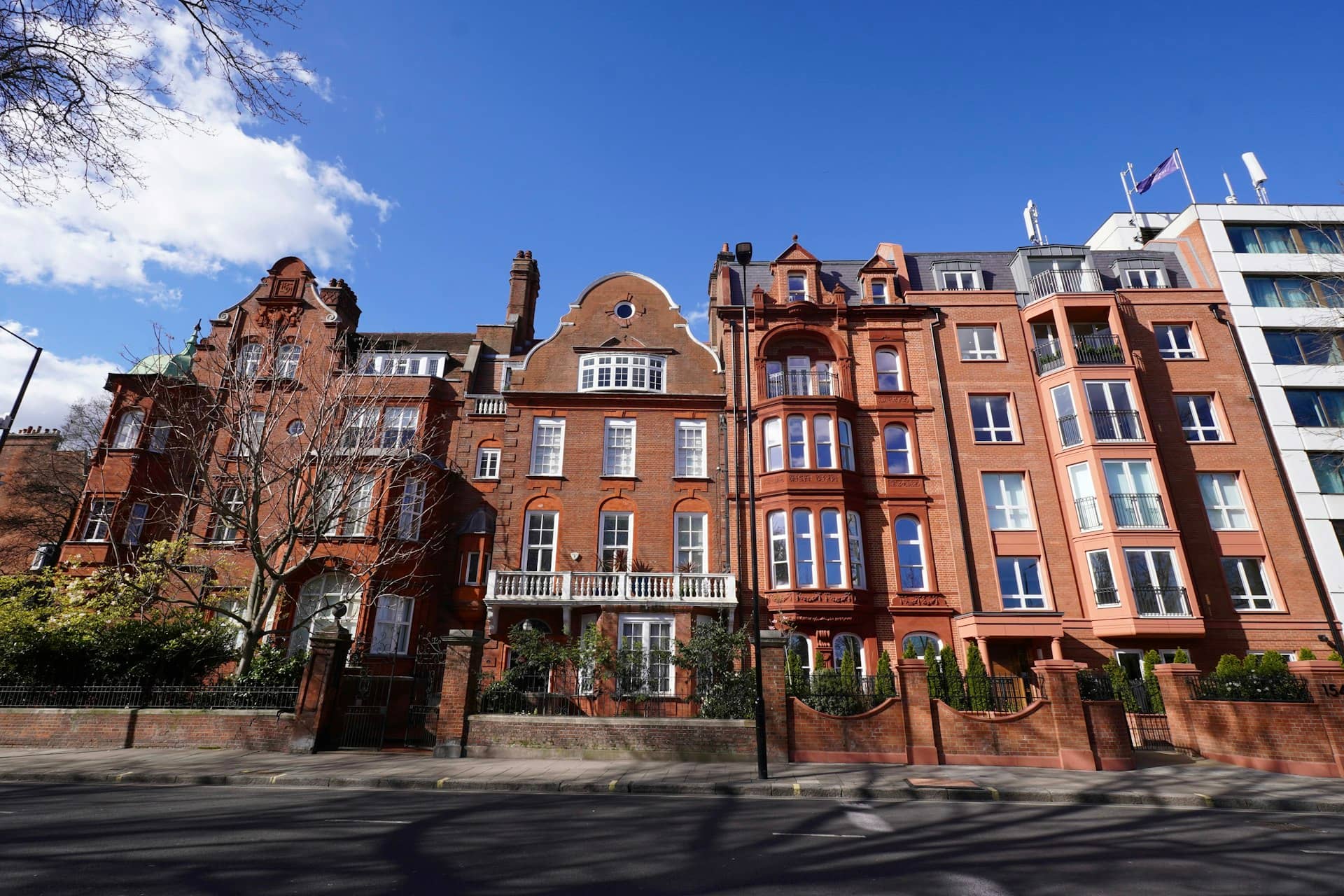
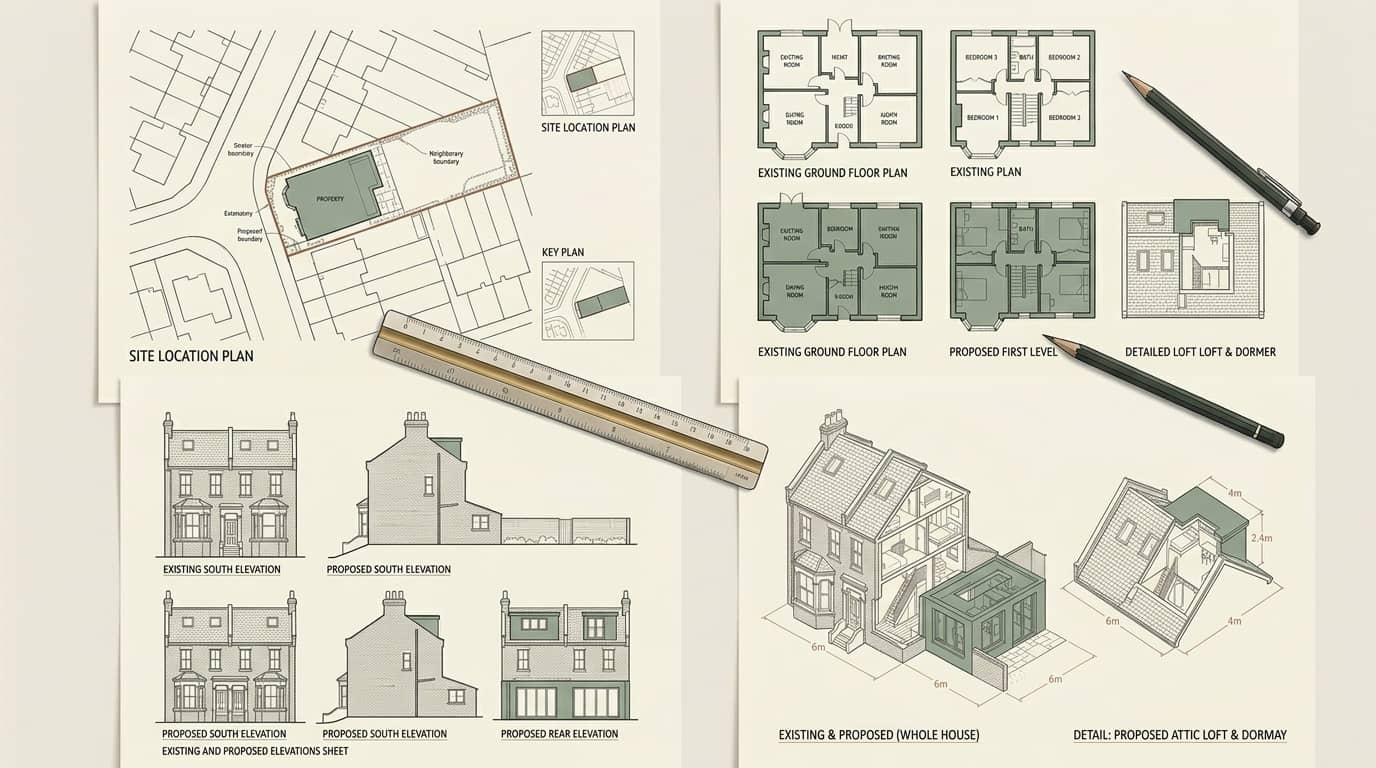
Change of use drawing pack prepared for a building in Welwyn Hatfield

Does your Welwyn Hatfield change of use need permission?

Movement within Class E is usually not development. You will need prior approval or a full application from Welwyn Hatfield Borough Council where any of these apply:

  • You are converting commercial premises to dwellings — Class MA prior approval, or a full application if it does not qualify
  • The building has not been in Class E use for two years before the application
  • The premises have not been vacant for at least three months
  • You are creating a house in multiple occupation where an Article 4 direction removes that right
  • The proposed use is sui generis — pub, takeaway, betting shop, nightclub
  • The building is in a conservation area such as Welwyn Garden City and Welwyn village, where frontage and shopfront changes are separately controlled
  • The building is listed — listed building consent is needed for the physical works

Welwyn Hatfield planning decisions — live from council data

Below is Welwyn Hatfield Borough Council's real decision record, drawn from official planning statistics and refreshed as new data lands. Welwyn Hatfield grants a share of applications broadly at the national average, with green-belt containment and garden-city character protection the defining pressures on larger schemes. Prior-approval applications are decided against a fixed list of matters, so a submission that answers each one directly is the one that gets through.

Source: MHCLG planning application statistics (householder decisions, England, 1 April 2025 - 31 March 2026). Compare every borough on our London approval-rate league table.

86%householder applications approved in Welwyn Hatfield
87%national average — Welwyn Hatfield is 1 point below the national average

Ready for drawings your council will approve?

Tell us about your project and get a fixed, no-obligation quote back within one working day. If you don't need planning permission at all, we'll tell you that too — for free.

Get your free fixed quote

60 seconds now. A fixed, no-obligation quote back within one working day — and we'll tell you if you don't even need planning.

No obligation · No spam · Reply within 1 working day

What change-of-use schemes succeed in Welwyn Hatfield

Across Welwyn Garden City, Old Hatfield and Hatfield, the conversions that go through are the ones that treat the resulting homes as homes: every habitable room with adequate natural light, room sizes meeting the nationally described space standards, sensible refuse and cycle provision, and a considered answer on noise where the neighbouring units are still commercial. Natural light is the single most common reason a Class MA prior approval is refused, and it is a drawing problem before it is a policy problem.

Metropolitan Green Belt covers most of the borough outside the two main towns, so growth is concentrated on urban and allocated sites. Where the building does not qualify for Class MA — because of its use history, its floorspace or a local Article 4 direction — a full application is the honest route, and we say so at the outset rather than burning 56 days on a prior approval that was never going to be granted.

Proposed residential layout drawn for a change of use in Welwyn Hatfield

Change of use across Welwyn Hatfield

We prepare change-of-use submissions across Welwyn Hatfield. A few of the areas where conversions come up most often:

Welwyn Garden City

Change of use drawings for Welwyn Garden City — a planned garden city of low-density neo-Georgian housing with a protected conservation-area character — measured, laid out to space and daylight standards, and evidenced for Welwyn Hatfield Borough Council.

Old Hatfield

Change of use drawings for Old Hatfield — the historic core around Fore Street beside Hatfield House — measured, laid out to space and daylight standards, and evidenced for Welwyn Hatfield Borough Council.

Hatfield

Change of use drawings for Hatfield — postwar New Town planned estates south of the old town — measured, laid out to space and daylight standards, and evidenced for Welwyn Hatfield Borough Council.

Welwyn

Change of use drawings for Welwyn — a historic village core with a conservation area — measured, laid out to space and daylight standards, and evidenced for Welwyn Hatfield Borough Council.

Digswell

Change of use drawings for Digswell — a leafy garden-suburb village beside the viaduct — measured, laid out to space and daylight standards, and evidenced for Welwyn Hatfield Borough Council.

Cuffley

Change of use drawings for Cuffley — a Green Belt commuter village to the south-east — measured, laid out to space and daylight standards, and evidenced for Welwyn Hatfield Borough Council.

Which route does your Welwyn Hatfield change of use take?

Three routes, three different tests and three different timetables.

ChangeRouteDetermination periodWhat Welwyn Hatfield Borough Council assesses
Shop to café or office (within Class E)Not development — no applicationn/aNothing, unless conditions restrict use
Class E to dwellingsClass MA prior approval56 daysTransport, flooding, contamination, noise, natural light
Class E to dwellings, not qualifyingFull planning application8 weeks (13 for major)Full policy assessment
House to small HMOClass L, unless Article 4 appliesn/a or 8 weeksConcentration, amenity, parking
Anything to sui generis useFull planning application8 weeksAmenity, hours, highways

Routes from the Town and Country Planning (Use Classes) Order 1987 as amended in 2020, and the GPDO 2015, Schedule 2, Part 3, Class MA.

Four steps to an approved Welwyn Hatfield change of use

A process built around the qualifying evidence, not just the drawings.

  1. 1

    Free route check

    Tell us the current use, how long it has run and what you want to do. We confirm the use classes, whether Class MA is available in Welwyn Hatfield, and whether an Article 4 direction removes it.

  2. 2

    Measured survey

    We measure the building as existing, including window positions and floor-to-ceiling heights, because the daylight and space-standards case depends on real dimensions.

  3. 3

    Layouts & supporting evidence

    We draw the proposed layouts to space and daylight standards and assemble the use-history, vacancy and floorspace evidence Welwyn Hatfield Borough Council needs to validate the submission.

  4. 4

    Submission & follow-through

    We submit, track the determination period, answer officer queries and revise free until the decision is issued.

Frequently asked questions

Do I need planning permission for a change of use in Welwyn Hatfield?

It depends on the use classes. Moving between uses inside Class E — shop, office, café, gym, clinic — is generally not development and needs no application to Welwyn Hatfield Borough Council. Moving out of Class E, particularly into residential, needs either prior approval under Class MA or a full application. We establish which applies before any drawing work, because the routes have different evidence requirements.

What is Class MA prior approval in Welwyn Hatfield?

Class MA is the permitted-development right that allows Class E commercial, business and service premises to become dwellings. Welwyn Hatfield Borough Council assesses a defined list of matters — transport, contamination, flooding, noise, natural light and, in some designated areas, the loss of a ground-floor service use — and must determine within 56 days. It cannot refuse on general policy grounds, which is why it is a faster route where the building qualifies.

What are the qualifying conditions for Class MA in Welwyn Hatfield?

The building must have been in Class E use for at least two years before the application, and must have been vacant for at least three months immediately before it. There is also a floorspace cap, and the right is disapplied on certain protected land and where an Article 4 direction removes it. Evidence of use history and vacancy forms part of the submission — a bare assertion will not validate. This applies to your Welwyn Hatfield address specifically. Welwyn Hatfield Borough Council is the decision-maker.

Can natural light stop a conversion in Welwyn Hatfield?

Yes, and it is the most common reason Class MA prior approvals fail. Every habitable room must have adequate natural light, and deep commercial floorplates frequently cannot deliver it without new openings or a reduced unit count. We test it on the layout first, because discovering it after submission costs a full determination period. This applies to your Welwyn Hatfield address specifically. Welwyn Hatfield Borough Council is the decision-maker.

Does a change of use need building regulations approval in Welwyn Hatfield?

Almost always where the use becomes residential. A material change of use triggers requirements for fire safety and means of escape, sound insulation between units under Part E, ventilation, and thermal performance. Planning and building control are separate consents — we prepare both so the scheme that is approved is the scheme that can be built and signed off. This applies to your Welwyn Hatfield address specifically. Welwyn Hatfield Borough Council is the decision-maker.

How long does a change of use application take in Welwyn Hatfield?

A Class MA prior approval must be determined within 56 days of a valid submission, and the application is deemed approved if the council fails to decide in time — which makes validation completeness unusually valuable. A full application runs to the standard eight-week target, or thirteen weeks if it counts as a major development. This applies to your Welwyn Hatfield address specifically. Welwyn Hatfield Borough Council is the decision-maker.

How much do change of use drawings in Welwyn Hatfield cost?

We quote each Welwyn Hatfield change of use individually, because the survey effort and the evidence needed depend entirely on the building and its use history, and send a fixed, no-obligation quote within one working day. It covers survey, layouts and supporting evidence with free revisions until Welwyn Hatfield Borough Council decides. Call 020 7864 7245 to start.

Planning approval report

Know your approval odds before you spend a penny on drawings

Answer five quick questions and get a free planning score for your exact address — instantly. Then, if you want the full picture, unlock the detailed analysis: your council's live approval rates, local precedents, constraints on your street and a step-by-step route to permission.

Change of use drawings across London's Outskirts

Same fixed quotes, same fast drawings — wherever your project is.

Other planning services in Welwyn Hatfield